


129
輪ゴム
Rubber band
輪ゴムを発明した人は知らないが、輪ゴムを知らない人はいないだろう。ものをまとめたり、固定したりといった作業には欠かせないゴム製品だ。この素材であるゴムの発見が、大げさではなく人類の生活を変えたと言ってもいいだろう。ゴムと人との出合いはアステカ文化の時代まで遡るという。写真は、キャラクターの形をした遊び心のある輪ゴムだ。こういう商品を見かけると、つい買ってしまう。本来はその役目であるなにかを固定したり、留めておく役目なのだが、気に入ったものだと実はなかなか使えないものだ。結局、役目を果たさないまま使わなくなってしまう。だからこの輪ゴムの使い道は分からないままだ。でも想像できるのは、気づかずに輪ゴムをはずした途端、キャラクターの形に戻ったのに気がついたら、つい笑ってしまうかもしれないということだ。出来れば使う側ではなく、笑わせてもらう側になりたいものだ。
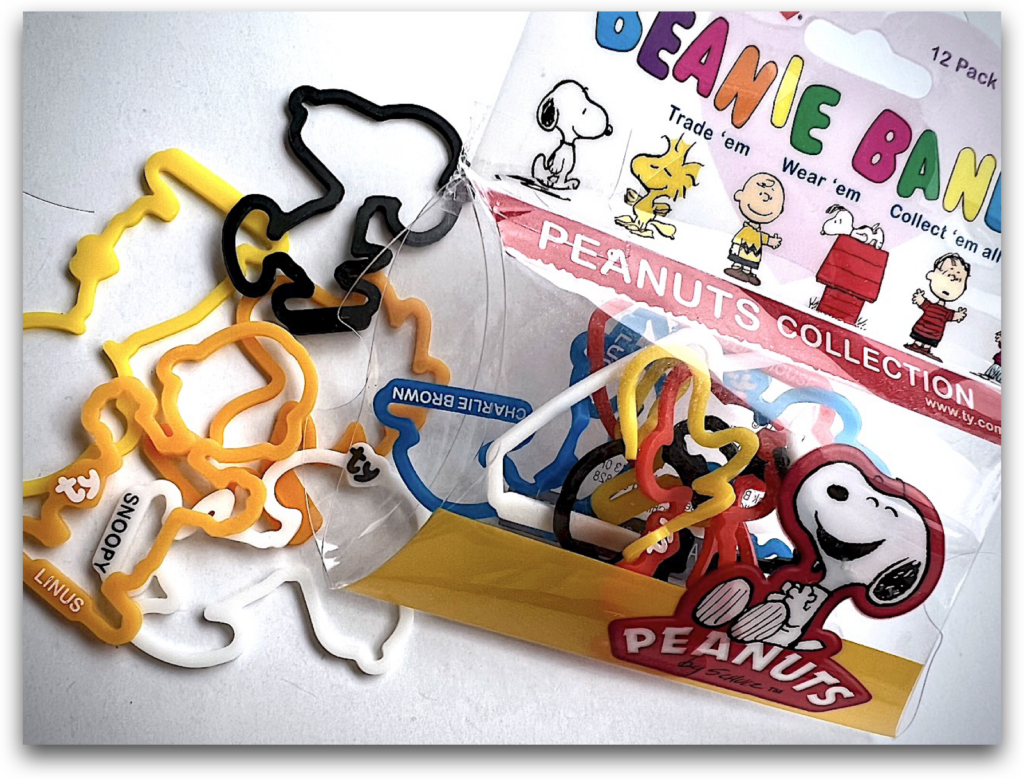
I don’t know who invented the rubber band, but there’s probably no one who doesn’t know what one is. It’s an indispensable rubber product for tasks like bundling or securing items. It’s no exaggeration to say that the discovery of rubber—the material used to make them—changed human life. The first known encounter between humans and rubber dates back to the time of the Aztec civilization. The photo shows some playful, character-shaped rubber bands. Whenever I see products like this, I can’t help but buy them. Although their primary purpose is to secure or hold things in place, when I find one I really like, I actually find it hard to bring myself to use it. In the end, they end up sitting unused without ever fulfilling their intended purpose. So, I still haven’t figured out a use for this particular rubber band. But I can imagine that the moment I unconsciously remove it and realize it has snapped back into its character shape, I might just burst out laughing. If possible, I’d rather be the one getting a laugh out of it than the one using it.
128
鯛焼
Taiyaki
なぜ、鯛の形なのかをどこかで聞いたことがあったが忘れてしまった。おそらくこのテのおやつ類によくある、○○説なる話が、オヤツには格好のネタなのだろう。ただ、めでたい…という印象が普通の発想だろうと思うが。一個づつ焼くのが天然物と言い、まとめて数個焼くのが養殖物と、通は言うそうだ。天然物と養殖物は焼き方の違いで、皮の焼き具合に違いが出て、味にも差が出ると言うが、比べてみたい気もするが、そう何匹も食べられないだろう。写真の鯛焼は、昭和25年創業の餡の専門店が販売しているもので、食べると中身の餡が良い味だった。餡は北海道産だと思うが、道産の小豆は全国でも有名で、中身にこだわる餡好きには、きっとたまらないオヤツだろう。一度食べてみたいのは、対馬で愛されてきた永留菓子店の「まんまるい形の鯛焼き」だ。
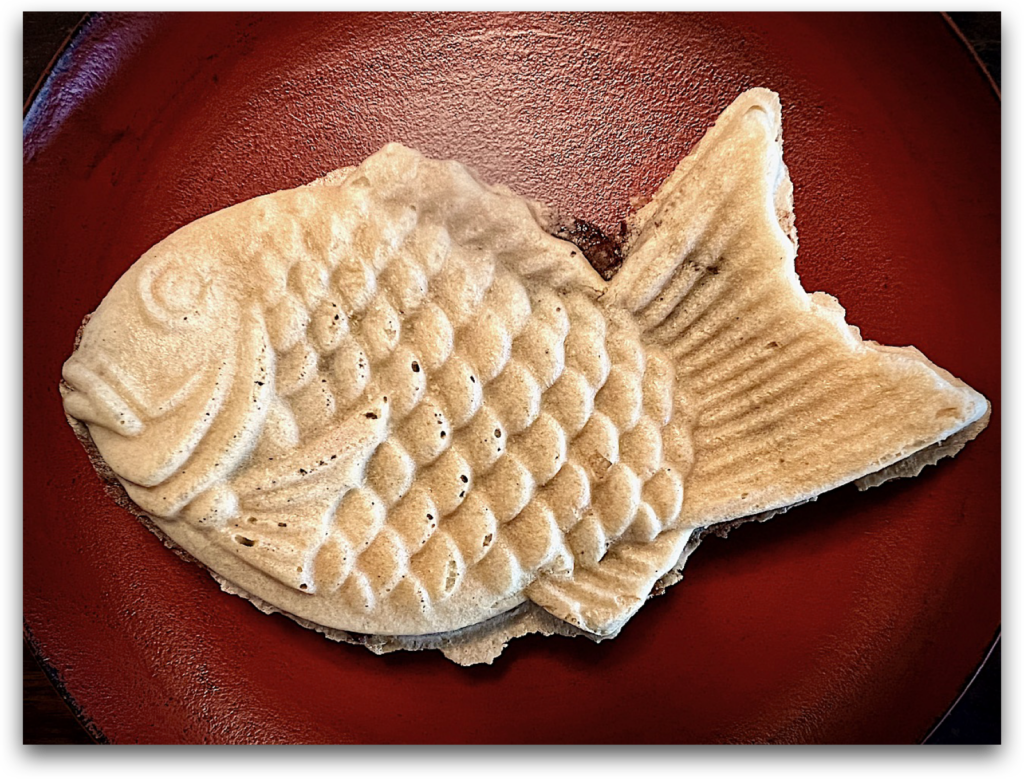
I think I heard somewhere why they’re shaped like sea bream, but I’ve forgotten. Probably one of those “so-and-so theories” you often hear about snacks like this—it’s just perfect fodder for snack talk. Still, I think the usual assumption is that they’re simply a symbol of good fortune. Connoisseurs say that the ones baked individually are “wild-caught,” while those baked in batches are “farmed.” They say that the difference in baking method—whether wild-caught or farmed—results in variations in how the skin is browned, which in turn affects the flavor. I’d like to compare them, but I doubt I could eat that many. The taiyaki in the photo is sold by a specialty shop that’s been making red bean paste since Showa 25, and when I tried it, the filling had a wonderful flavor. I believe the red beans are from Hokkaido—Hokkaido adzuki beans are famous nationwide—so for red bean paste lovers who care about the quality of the filling, this is surely an irresistible treat. One I’d love to try someday is the “perfectly round taiyaki” from Nagato Confectionery, a shop beloved on Tsushima Island.
127
遺跡
Archaeological Site
現在もあちこちで古代の遺跡が見つかっているが、それは全体の中のほんの一部だと思う。なぜなら、すべての人の営みの跡は消えてしまうものだからだ。たまたま条件によって残っているものが現在発見されているのだろう。以前、写真にあるような遺跡の場所を偶然通ったことがあった。その場所は、静かな森の中で、近くには清流が流れ、現代人にも心地良い場所だと感じられる場所だった。この遺跡は飛鳥時代から鎌倉時代後半という時代で擦文時代と呼ばれ、約1,400年から800年前の時代のものと言われている。住居跡の窪地や、中央に掘られた炉の跡、南側の壁には煮炊きに使われたカマドがあったという。この場所に昔の人たちも同じように暮らしていたのかと思うと、なぜかホットして身近なものを感じた。電気もクルマもない時代は、今の自分にはなかなか想像できないが、それだけに古代の人々は自然の変化や動植物の知識、身を守るすべを、私たちよりずっと優れた感性をもっていたことだろうから。もしかすると今よりも、豊かさや幸福感に満ちた暮らしだったのかも知れないのだ。
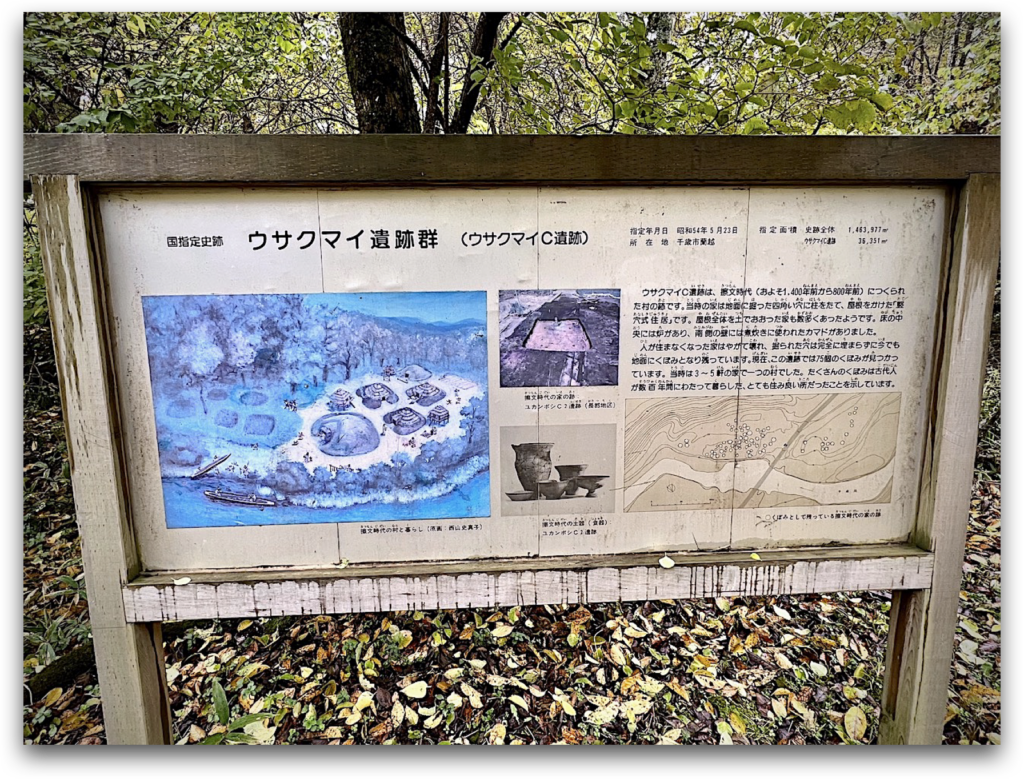
Ancient ruins are still being discovered here and there, but I believe they represent only a small fraction of the whole. This is because the traces of human activity eventually fade away. The ones being discovered today are likely those that have happened to survive due to specific circumstances. Some time ago, I happened to pass by a site like the one in the photo. The site was located in a quiet forest, with a clear stream flowing nearby—a place that even modern people would find pleasant. These ruins date from the Asuka period through the latter half of the Kamakura period—a time known as the Satsumon period—and are said to be approximately 1,400 to 800 years old. There were depressions where dwellings once stood, the remains of a hearth dug in the center, and a cooking stove on the south wall that was used for cooking. When I thought about how people in the past must have lived here in much the same way, I felt a strange sense of warmth and familiarity. It’s hard for me to imagine a time without electricity or cars, but precisely because of that, I believe the people of ancient times must have possessed a far keener sensitivity than we do today—an understanding of the changes in nature, knowledge of flora and fauna, and ways to protect themselves. Perhaps their lives were even more abundant and filled with a greater sense of happiness than ours are today.
126
水たまり
Puddle
こんな経験はないだろうか。雨上がりの道を歩いていて、ふと足下の水たまりに立ち止まり、中をのぞくと、そこに薄暗い空や木立や建物が映り込んで、その足下の空間に落ちそうな感覚になることが…。私は、何度か経験しているが、よく見ると当たり前だが、ただの雨上がりに出来た水たまりなのだ。立ち止まり写真を撮ったものがこれ。まさしくそこには空が映り電線や周りの風景が広がっている、なんとも足下の不思議な空間だ。水たまりの中へ飛び込むと、すーっと向こう側の空に落ちていきそうな気もしてくる。端から見ているとただの水たまりをのぞき込んでいる怪しい人にしか見えないが。よく、SFのストーリーに鏡の世界のことが描かれることがあるが、現実と対になっているもう一つの空間があるとしたらこんな風景なのかもと想像する。ぽっかりと空いた水たまりから、向こうの世界が見えているという異次元空間が水たまりなのだろうか。じっとのぞき込んでいると、向こう側の自分はどんなだろうかとさらに想像が膨らむ。どちらにしてもヘンな人にしか見えてないだろうけど。
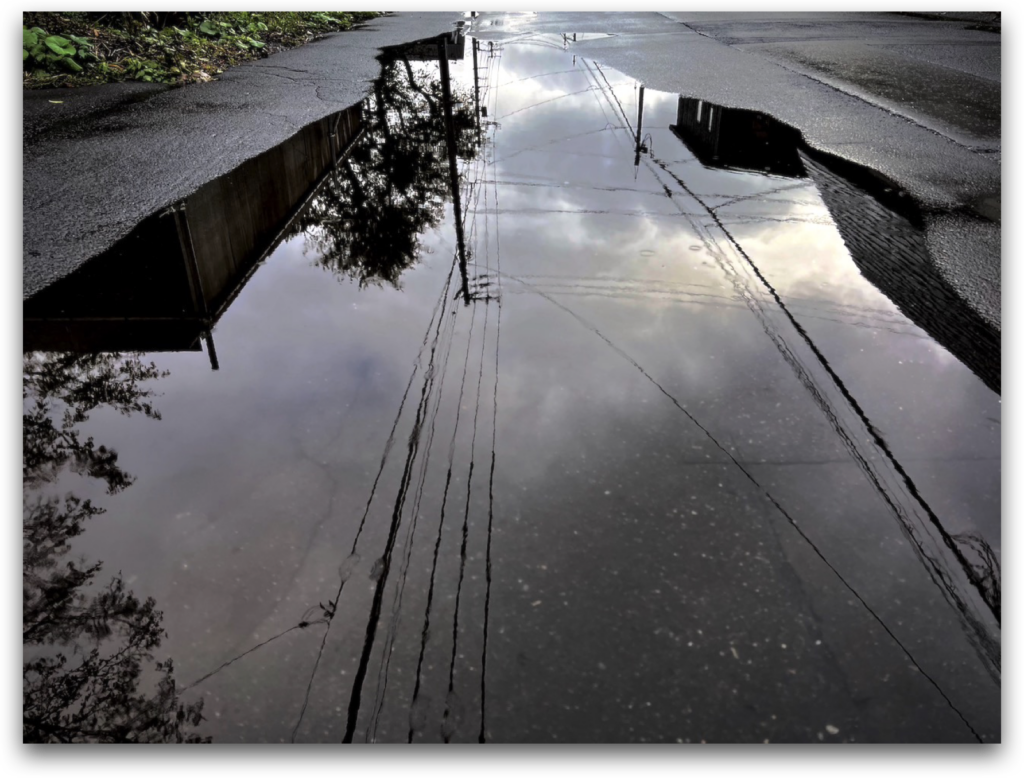
Have you ever had an experience like this? Walking down a street after a rain shower, you suddenly stop at a puddle at your feet, peer inside, and see the dim sky, trees, and buildings reflected there—giving you the sensation that you might fall right into that space beneath your feet… I’ve experienced this a few times, but when you look closely—as you’d expect—it’s just a puddle left behind after the rain. This is a photo I took when I stopped to capture the moment. The sky is clearly reflected there, along with power lines and the surrounding scenery—it’s a truly mysterious space right at your feet. It almost feels like if you were to jump into the puddle, you’d glide right through it and fall into the sky on the other side. Though, to an outsider, I probably just looked like a suspicious person peering into an ordinary puddle. Science fiction stories often depict “mirror worlds,” and I find myself imagining that if there were another space mirroring reality, this might be what it looked like. Could this puddle be a portal to another dimension—a space where you can see the world on the other side through the gaping hole in the water? As I peer intently into it, my imagination runs wild, wondering what my “other self” on the other side might look like. Either way, I’m probably just a weirdo to anyone watching.
125
ぶどう
Grapes
ぶどうで作った酒をいつ頃からワインと呼んだのか分からないが、ぶどうやつる植物やつる植物の茎を英語で「vine」と表す。何となく「wine」と似ているが、詳しいことは知らない。とにかくブドウは何千年も昔から、果実として、酒の原料としても作られてきた。糖分、酸、タンニンなどのバランスがワイン造りに最適だったらしい。つまりバランスが良く、いろいろなバリエーションが楽しめる酒と言うことがその理由なのだろう。今では1万種以上のぶどうが作られているそうだ。そいうえば日本人もワインを飲むチャンスが多くなったように思える。正月のおとそ代わりに、バレンタインや春の宴会なんかにはスパークリングワインがつきものだし、ボジョレーヌーボーなどの流行でワイン初体験なんて人も多いだろう。ハロウィーン、クリスマスなど輸入されたイベントも多くなった。その度にワインが登場して人気も出てくる。現在は温暖化で日本がワイン生産地に向いているという追い風も出てきた。
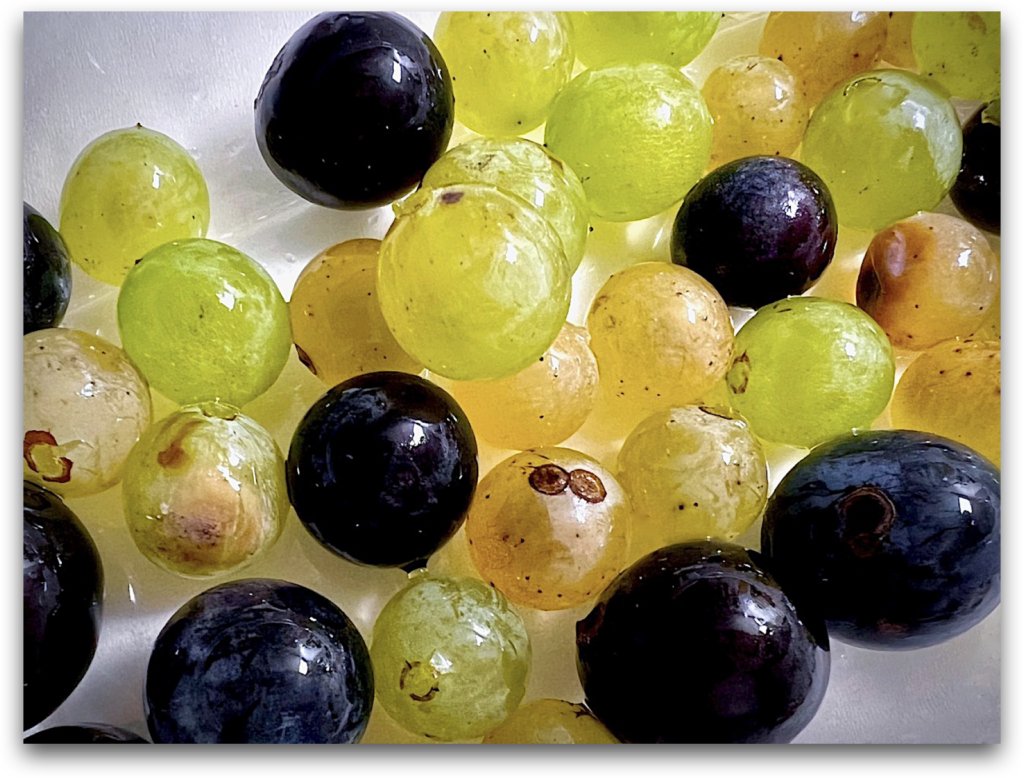
I’m not sure exactly when people started calling alcohol made from grapes “wine,” but in English, grapes, vines, and vine stems are all referred to as “vine.” It sort of sounds like “wine,” but I don’t know the details. In any case, grapes have been cultivated for thousands of years—both as fruit and as a raw material for alcohol. It seems the balance of sugar, acidity, and tannins was ideal for winemaking. In other words, the reason is likely that it’s a well-balanced beverage that offers a wide variety of flavors to enjoy. I’ve heard that over 10,000 varieties of grapes are now cultivated. Come to think of it, it seems Japanese people have more opportunities to drink wine these days. Sparkling wine has become a staple at events like Valentine’s Day and spring parties, replacing the traditional New Year’s sake, and with trends like Beaujolais Nouveau, many people are likely trying wine for the first time. There are also more imported holidays like Halloween and Christmas. Wine makes an appearance at each of these occasions, and its popularity continues to grow. Currently, global warming is creating a tailwind, as Japan is becoming more suitable for wine production.
124
パッケージ
Package
パッケージに注目が集まることはそれほど多くはないだろう。例えば高級時計や香水などを買ったときなどは、大げさな箱やパッケージに商品が鎮座していたりするが、日常の商品などは、せいぜいきれいなプリント柄のケースなどに入っていることが多いもの。しかし、時代は変わり、過剰な包装やリサイクルできそうもない贅沢なパッケージは、逆のイメージで敬遠されたりしてしまう。中に入っている商品が高額だからといって、贅沢は許されない時代なのだ。環境を意識したパッケージでなくてはならなくなった。しかしだからといって、いかにも安っぽいパッケージではアンバランスと思われてしまう。難しい時代だ。写真はiPhoneの箱に入っていた付属のケーブル。重なっていたのを広げてみたところだが、実にきれいに収まっている。しかも素材は厚紙だけ。昔からアップル製品のパッケージには開けたときのわくわく感がデザインされている。その考えられたデザインが商品の価格を表しているというロジックがそこに込められているのだろう。
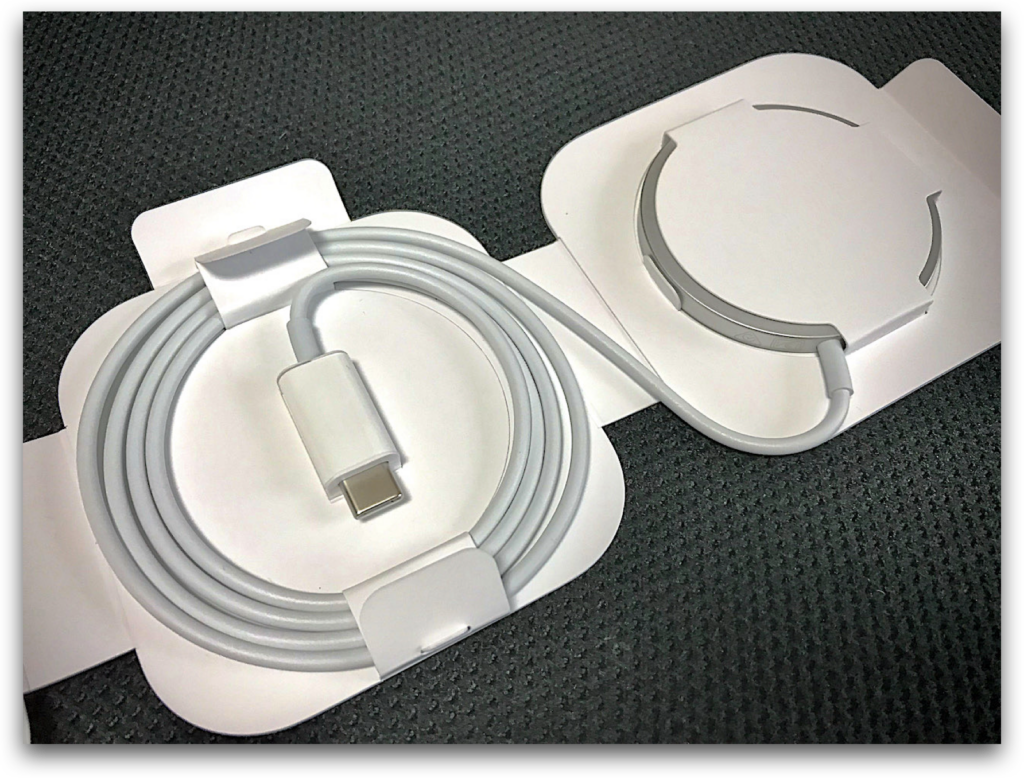
It’s not often that packaging draws much attention. For example, when you buy luxury watches or perfumes, the product is often ensconced in an elaborate box or package, but everyday items are usually contained in nothing more than a case with a nice printed design. However, times have changed, and excessive packaging or lavish packaging that seems impossible to recycle is now shunned for creating the opposite impression. We’ve entered an era where extravagance is no longer acceptable, even if the product inside is expensive. Packaging must now be environmentally conscious. But at the same time, packaging that looks too cheap can strike the wrong note. It’s a tricky time. The photo shows the included cable that came in an iPhone box. I unfolded it after it had been stacked inside, and it fits together beautifully. And it’s made of nothing but thick cardboard. Apple product packaging has always been designed to evoke a sense of excitement when opened. The logic behind this is likely that the thoughtful design itself reflects the product’s price.
123
iPhone 13
iPhone 13
5年ほど前の話だ。iPhoneを買い換えた。その時使っていたのは iPhone7で、当時はカメラ機能が大きく進化して、旅行に出かけるのに電話とデジカメと二台を持ち歩かなくてもいいと思い、デジカメを持たずにiPhone7で写真を撮ってきた。初めの考え通りに、数え切れないくらい写真が撮れた。まるでデジカメ専用機のようにだ。電話機能はもともと電話を使わないのでメール専用みたいなもので、電話機としては十分な機能だった。ただ、スピーカーの音量が小さくなったのと、電源スイッチが摩耗してしまった。これはそれだけ酷使したのだからしかたがないと思う。その後買い替えたiPhone13は有機ELの液晶で、斜めからはやや青っぽく見えるが、カメラ機能は、すでにその時代のコンパクトデジカメを抜いていた。一番の変化はコンピューティショナルフォトグラフィーという考えだろう。今では画像修正や画像エフェクトなど当たり前になっているが、iPhoneで写真を撮ることは、今までのカメラの手法と攻め方が変わってきた。アップルはiPhoneという電話を再発明したが、実はカメラも再発明していた。
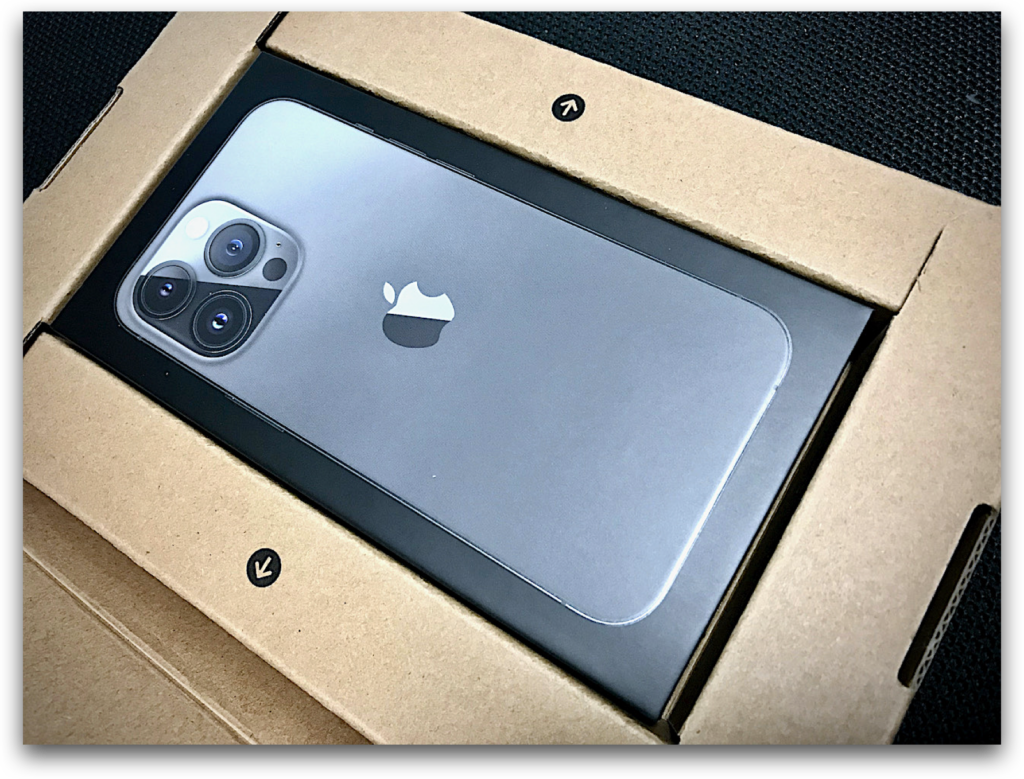
This happened about five years ago. I upgraded my iPhone. At the time, I was using an iPhone 7, and since the camera capabilities had improved significantly, I figured I wouldn’t have to carry both a phone and a digital camera when I went on trips. So, I left my digital camera at home and took photos with my iPhone 7 instead. Just as I’d expected, I took countless photos—almost as if it were a dedicated digital camera. Since I rarely use the phone for calls anyway—it’s basically just for messaging—it had more than enough functionality as a phone. However, the speaker volume had gotten quieter, and the power button had worn out. I figure that’s just to be expected given how heavily I used it. The iPhone 13 I bought after that has an OLED display; while it looks slightly bluish when viewed from an angle, its camera capabilities had already surpassed those of compact digital cameras of that era. The biggest change was likely the concept of computational photography. While image editing and effects are commonplace today, taking photos with an iPhone has fundamentally changed the approach and techniques used in photography. Apple reinvented the iPhone as a phone, but in reality, it had also reinvented the camera.
122
スマートキー
Smart Key
最近のクルマは、物理的なキーでエンジンを始動したり、ドアを開けたりしない。近距離の電波を使い始動させたり、解錠したりする仕組みだ。でも、便利なこれらの仕組みが盗難に使われることもしばしばと聞く。やはり目に見えない方法だけに不安は残る。先日、娘の車を運転する機会があった。スマートキーを使った新型だが、娘を送り、私はそのまま別の所へ運転していった。10分ほど運転しただろうか、用事を足そうと、ある場所で車を停めた。エンジンをかけたままなら良かったのだが、その時、エンジンを切ってしまった。ドアを開け、降りようとしたとき、気がついた。娘から鍵を受け取っていなかったのだ。当然、クルマを再度始動することは出来なくなってしまい、娘へ電話してキーをもらいに行くことに。勿論クルマは動かせないから、そのままにしてタクシーを呼んで娘を下ろした場所へ。娘も、普段自分のポケットにキーを入れてあるので何も気がつかなかったという。何とも恥ずかしい話だが、こんな事が起こるのもアナログではなくデジタルキーだからのことだと思い知らされた。
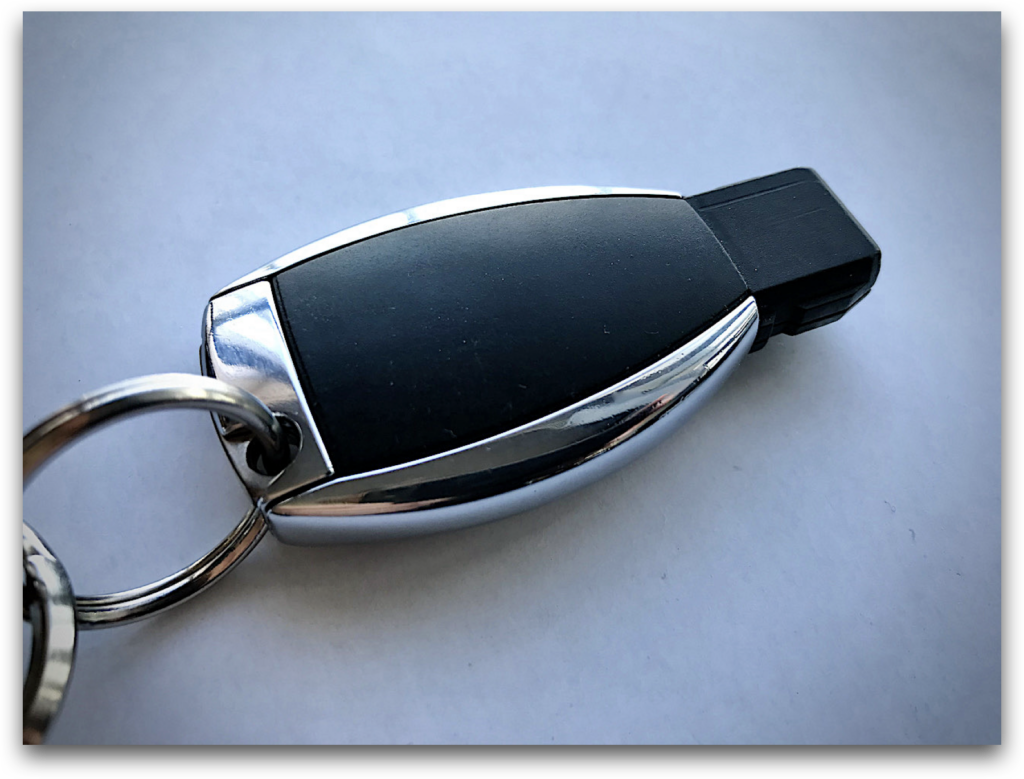
Modern cars no longer use physical keys to start the engine or unlock the doors. Instead, they use short-range radio waves to start the engine and unlock the doors. However, I often hear that these convenient systems are frequently exploited by thieves. Since the method is invisible, it naturally leaves me feeling uneasy. The other day, I had the opportunity to drive my daughter’s car. It’s a new model equipped with a smart key, and after dropping her off, I drove straight to another location. I had been driving for about 10 minutes when I pulled over at a certain spot to run an errand. It would have been fine if I’d left the engine running, but I accidentally turned it off. When I opened the door to get out, I realized I hadn’t taken the key from my daughter. Naturally, I couldn’t start the car again, so I called my daughter to come bring me the key. Since I couldn’t move the car, I left it there, called a taxi, and went back to where I’d dropped my daughter off. My daughter said she hadn’t even noticed because she usually keeps the key in her pocket. It’s a rather embarrassing story, but it really brought home to me that this sort of thing happens precisely because we’re using a digital key instead of a traditional one.
121
夕焼け
Evening glow
かりに人が80年の寿命なら、その人生の中で何回夕焼けを見るだろうか。つまらない話かも知れないが、365日×80年で29,200日になるが、子どもの頃を除けば、28,000日くらいの可能性か。一応、気象庁などのページを調べてみたが、夕焼けになる条件はいくつかあったが、どのくらいの頻度で現れるかは分からなかった。もちろんあてにはならないが、かりに一週間のうち一日だけとしたら4,000日になる。さらにその時にちょうど夕焼けを見ているかといえば、そうでもないだろう。ちょうど夕焼けになっている空を見上げる確率はさらに少なく、三回に一回だとしたら、1,300日だ。写真の夕焼けは私が見た時のものだが、夕焼けが見えていた時間はたった10分間。ということは、夕焼になっていたとしても10分くらいの差で見られなかったかも知れない。とすればさらに見られる確率は低く、同じく三回に一回だとすると400日ちょっとということになる。もちろんこんな計算は当てにはならないが、夕焼けが一カ月に一回なら、なんと100日になってしまう。あと何度この夕焼けと出合えるだろうか。
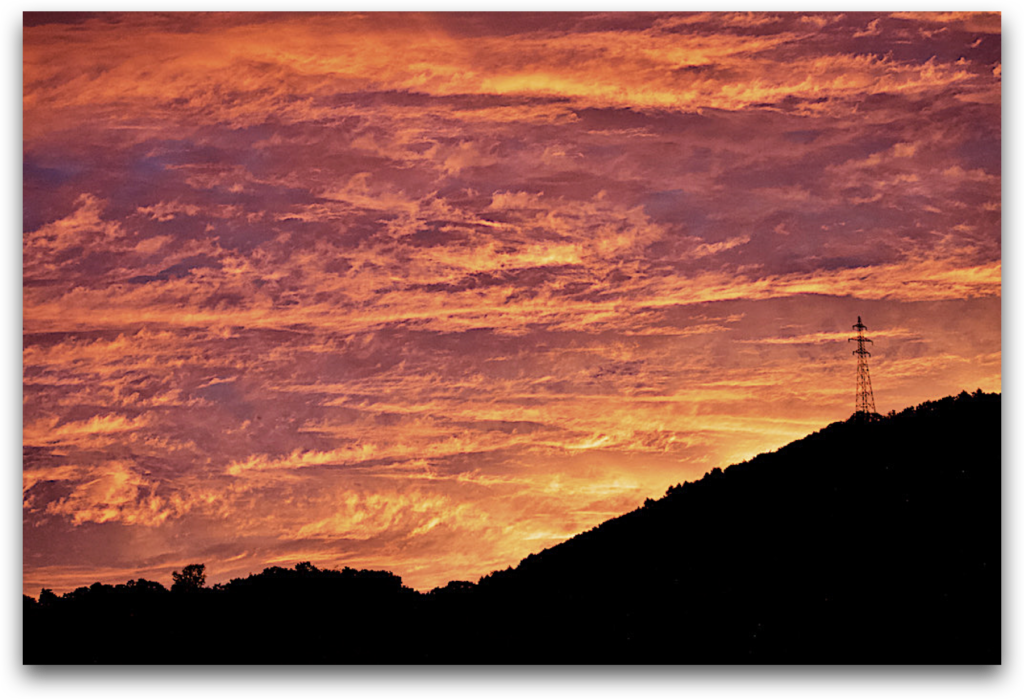
Suppose a person lives to be 80 years old. How many times would they see a sunset in their lifetime? This might seem like a trivial question, but 365 days × 80 years equals 29,200 days—though if we exclude childhood, the number might be closer to 28,000 days. I checked websites like the Japan Meteorological Agency, and while there were several conditions required for a sunset, I couldn’t find any information on how frequently they occur. Of course, this isn’t a reliable estimate, but if we assume just one day per week, that comes to 4,000 days. Furthermore, even on those days, it’s unlikely that I’d actually be looking up at the sky at the exact moment the sunset is happening. The probability of looking up at the sky just as the sunset is taking place is even lower; if we say it happens once every three times, that comes to 1,300 days. The sunset in the photo is the one I saw, but it was visible for only 10 minutes. That means even if a sunset had been happening, I might have missed it by just 10 minutes. If that’s the case, the probability of actually seeing it is even lower; assuming the same one-in-three chance, that would amount to just over 400 days. Of course, these calculations aren’t reliable, but if a sunset occurs once a month, it would come down to a mere 100 days. I wonder how many more times I’ll get to experience a sunset like this.
120
コキア
kochia
江戸時代から親しまれている植物だそうで、近年紅葉すると赤く染まるのが人気で、全国で植えられている。これもインスタ映えの影響だろう。今まで地元の人しか知られていない話題が、あっという間に全世界に広がるネットワークの影響だ。さらに人々は知られていない話題を探して廻る。まさに全員取材班のような今の現状だ。写真のコキアはまだ真っ赤に染まってはいないが、それはそれなりにきれいだ。別名ホウキグサと言われ、昔からこの草を使って箒が作られた。またこの実は食用にもなっている。秋田の「とんぶり」はこの実を加工したもので、畑のキャビアとも呼ばれて親しまれているそうだ。新芽も食用で利用度は高い植物といえるだろう。昔からあちこちで栽培されてきた植物なのに、なぜ今人気なのかよく分からない。カラー写真情報が簡単にどこからでも送り合えるようになったことが大きいのだろう。これからも人々のネタ探しはますます続いていくことだろう。
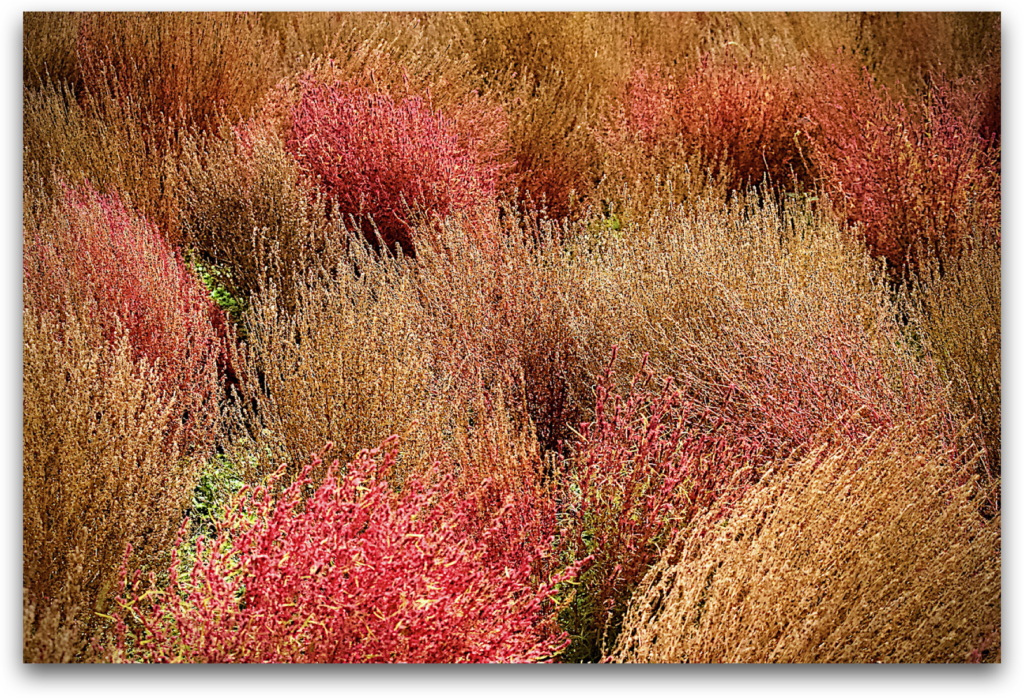
Apparently, this plant has been beloved since the Edo period, and in recent years it has gained popularity for the way its leaves turn red in the fall, leading to its widespread planting across the country. This is likely due to the influence of “Instagrammability.” It’s a testament to the power of the internet, where topics once known only to locals can spread across the globe in the blink of an eye. Furthermore, people are constantly on the hunt for little-known topics. It’s as if everyone is part of a reporting team these days. The kochia in the photo hasn’t turned completely red yet, but it’s still quite beautiful in its own way. Also known as “broom grass,” this plant has long been used to make brooms. Its seeds are also edible. Akita’s “tonburi” is a processed version of these seeds and is affectionately known as “field caviar.” Since even its new shoots are edible, it’s safe to say this plant has a wide range of uses. Even though it’s been cultivated in various places for a long time, I’m not quite sure why it’s so popular right now. I suppose a major factor is that it’s now easy to share color photos with each other from anywhere. People will likely continue to search for new topics to write about for years to come.
119
ハロウィン
Halloween
もともとはキリスト教のお祭りではなく、ケルト人の祭りだと言われている。ケルトとは古代ローマ時代に「未知の人」を意味していて、広く民族を示す名前ではないそうだ。つまりヨーロッパの中程に住んでいた人たちのお祭り…という事なのだろか。ケルト人は10月の末が一年の終わりと考え、この冬が始まる季節に、死んだものの霊が訪ねてくると信じていた。つまりやってくる悪霊や魔女から身を守るためにそれらに扮装したり生け贄を捧げていたという行事だった。その後キリスト教でも異教徒の行事ながら取り入れる地域も現れて、現在の秋のイベントへと繋がったそう。ダック・アップルと呼ばれるリンゴ食い競争、干しぶどうを使ったゲーム、スナップ・ドラゴンなど、ハロウィンを楽しむゲームもたくさんある。日本では主に商業イベントとして流行してきた。都心部での仮装行列などは、どこか七夕祭り的な素朴さを漂よわせて若者を取り込んでいる。
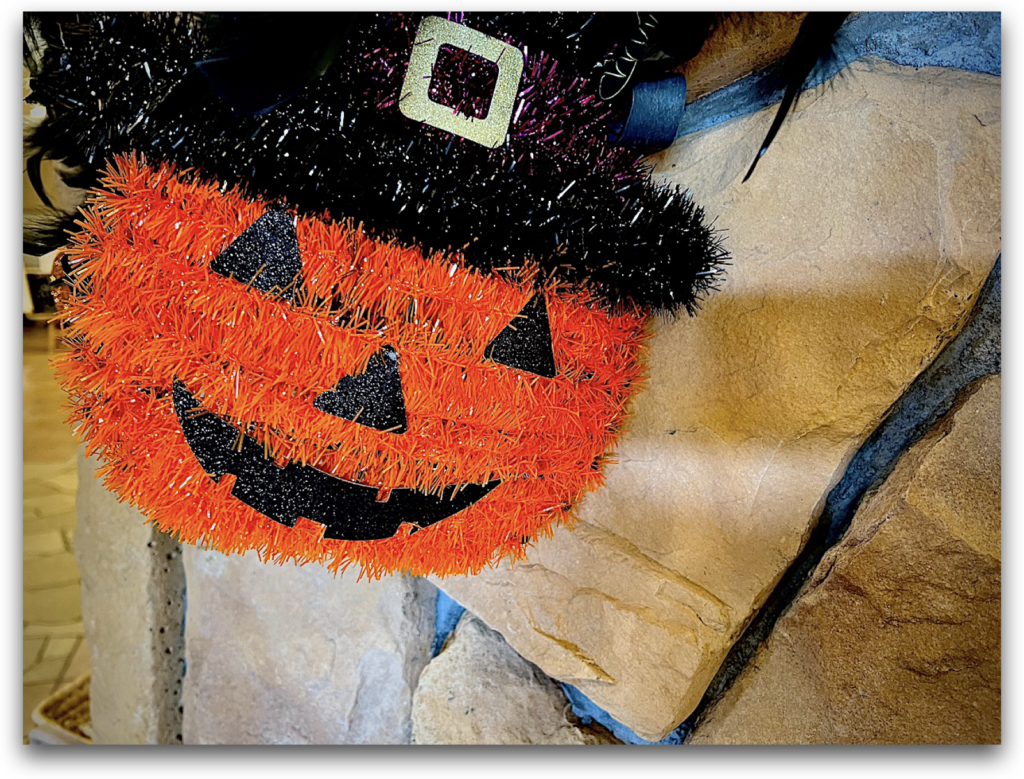
It is said that this was originally not a Christian festival, but a Celtic one. The term “Celt” apparently meant “unknown people” during the Roman era and was not a general term for an ethnic group. So, I suppose this means it was a festival celebrated by the people who lived in central Europe… The Celts considered the end of October to be the end of the year, and they believed that at the start of winter, the spirits of the dead would visit. In other words, it was a ritual in which people would dress up as these spirits or offer sacrifices to protect themselves from the evil spirits and witches that were said to be coming. Later, even though it was a pagan custom, some regions adopted it into their Christian practices, which is said to have led to the autumn event we know today. There are many games to enjoy on Halloween, such as the “duck-apple” apple-bobbing contest, games using raisins, and “snapdragon.” In Japan, it has mainly become popular as a commercial event. Costume parades in city centers, for example, have a certain rustic charm reminiscent of the Tanabata Festival, which has helped attract young people.
118
航空写真
Aerial Photographs
空から見た写真のことではない。いわゆるヒコーキ写真のことだ。以前、コロナ渦の中で行動制限があったので、自由に写真を撮りに行けない日々があった。身近な題材がないかと、カメラを持ち歩いていると、あるとき飛行機が飛んできた。ちょうど飛行場の近くだったので、多くの旅客機が発着していた。気軽な気持ちで写真を撮ってみると、これがなかなか奥が深い。上を向いて撮ることが多くなるため、ほとんど空を撮っているようなものだ。当然逆光撮影があたりまえになる。露出も面倒で、雲などは白飛びはザラという写真がたくさん出来上がる。しかも飛行機は飛んでいることが多いので、タイミングが合わないとほとんど絵にならない。この写真は車輪を下ろして着陸してくるところで、比較的時間の余裕があるカットだ。空と雲と地上の風景を入れてみた。今ならポケットにスマホがあるので撮るタイミングは多くなるだろうけど、それなりの望遠レンズはやはり必要となる。興味があるなら写真ページへ。https://dukes.pics/#1
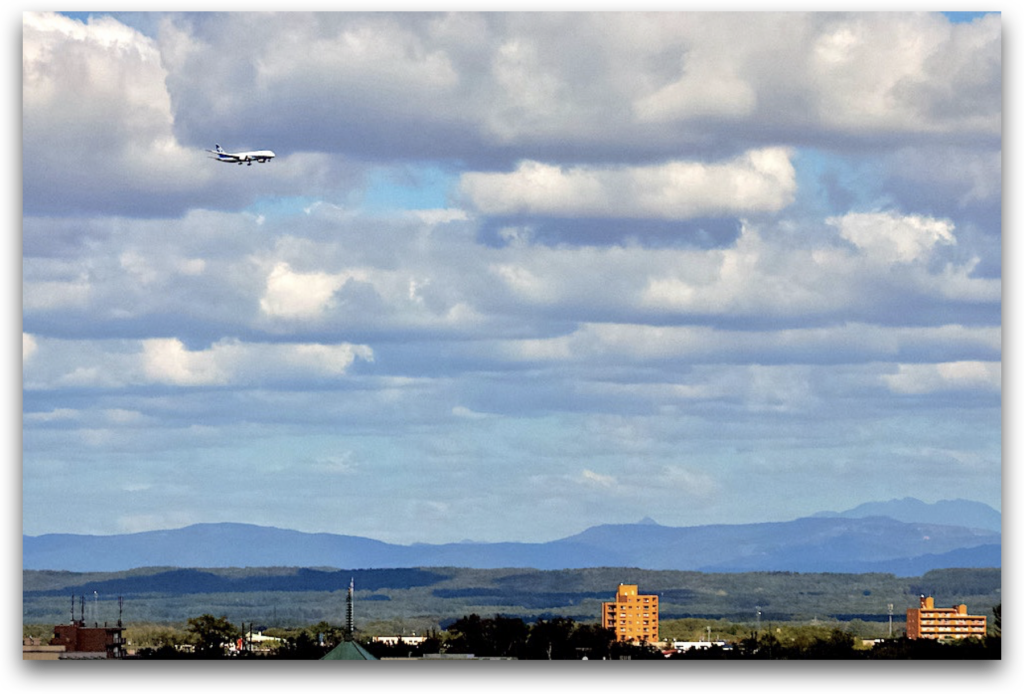
I’m not talking about photos taken from the sky. I’m referring to what are commonly called “airplane photos.” A while back, during the height of the COVID-19 pandemic, there were days when movement restrictions prevented me from going out to take photos freely. As I carried my camera around, looking for subjects close to home, an airplane happened to fly by one day. Since I was near an airport, many passenger planes were taking off and landing. I tried taking some photos on a whim, only to discover that this genre is surprisingly complex. Since you end up looking up a lot, it’s almost like you’re just photographing the sky. Naturally, shooting into the light becomes the norm. Exposure is a hassle, and I often end up with photos where the clouds are blown out. Plus, since airplanes are usually in flight, if you don’t time it right, the shot rarely turns out well. This photo was taken as the plane was lowering its landing gear to land, so it’s a shot where I had a bit more time to work with. I tried to include the sky, the clouds, and the scenery on the ground. These days, with a smartphone in my pocket, I probably have more opportunities to take photos, but a decent telephoto lens is still a must. If you’re interested, check out my photo page. https://dukes.pics/#1
117
USBメモリー
USB memory
便利さの裏返しに危険が潜むことは、前にも書いてきたが、こんな小さなものにもそれは当てはまる。小指ほどの大きさのUSBメモリーには1テラを越える容量のものまで登場している。600万ページもの文書を記憶することが出来る。よくニュースで、USBメモリを落としてしまい、個人情報の漏洩などと報道されているが、一つの街全員くらいの個人データがこの中に入るのだ。標準画質の写真なら25万枚記録可能とも言われる。すぐには想像できないが、とにかく想像を超えた量の情報が入っている。写真のメモリは、普段キーチェーンに付けている私のものだが、16ギガバイトの容量。別に1テラでもいいのだが、大きな容量だとつい何でも入ってしまい、余計なデータも残ることになるのでわざと小さくしている。そしてこの便利な道具の危険な部分であるデータの漏洩対策だが、すぐ消すこと。持ち運ぶのは最短最低を基本として、運び終えたら中のデータはすぐ消去。これが基本だと思っている。
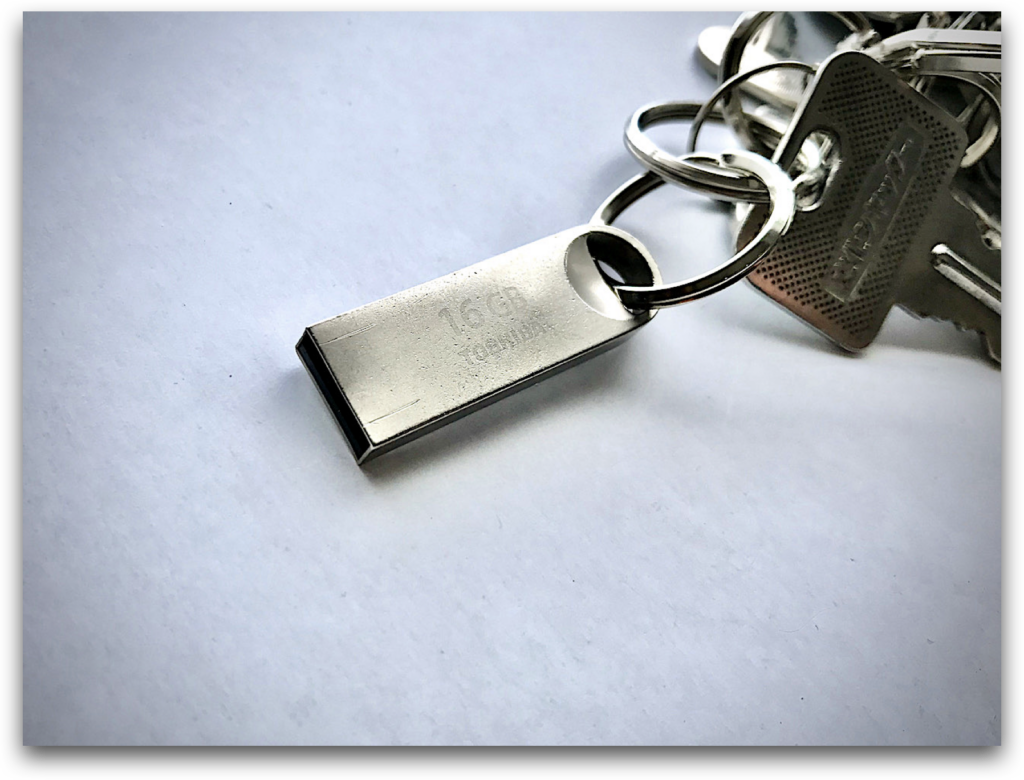
As I’ve written before, convenience often comes with hidden dangers—and this holds true even for something as small as this. USB flash drives, about the size of a pinky finger, are now available with capacities exceeding 1 terabyte. That’s enough to store as many as 6 million pages of text. We often hear news reports about people losing USB flash drives, leading to leaks of personal information—but this device could hold enough personal data to cover the entire population of a small town. It’s also said to be capable of storing 250,000 standard-resolution photos. It’s hard to grasp at first, but the amount of information it holds is simply beyond imagination. The USB drive in the photo is mine—the one I usually keep attached to my keychain—and it has a capacity of 16 gigabytes. I wouldn’t mind having one with 1 terabyte, but with such a large capacity, I tend to end up storing just about anything on it, which leaves me with unnecessary data, so I deliberately chose a smaller one. As for protecting against data leaks—the dangerous aspect of this convenient tool—the key is to delete the data immediately. My basic rule is to carry it for the shortest time possible, and once I’m done transporting it, I erase the data right away. I consider this the fundamental approach.
116
飾る
Decorate
絵を飾る習慣は、まだ日本には馴染みがない…、とどこかで聞いた事があるが、そうだろうか。確かに絵画や版画などをオシャレに飾ってある日本の部屋は少ないかも知れないが、床の間に掛け軸や、縁起物の置物や花瓶や壺など、古くから日本でも飾られてきた。だから不思議なことではないと私は思う。私も飾るのは好きだ。しかし何でも良いかというと気に入ったものやその場にあったもの、または少し気になるものが多い。気になるものはその時によっても変わるだろうし、変わっていってもそれはそれで自然なことだ。写真のエッチングはジョアン・アイザックのコーヒーカップの小さな絵だ。版画は手軽に買える値段のものが多いので気軽に楽しめる。手軽と言えば花を飾ることは一番多いかもしれない。絵ではないけど、生ものは、また特別だ。変化も楽しめるし季節感もある。貧しくても花一輪飾る気持ちは無くしたくない…、晩年、父が残した言葉だ。
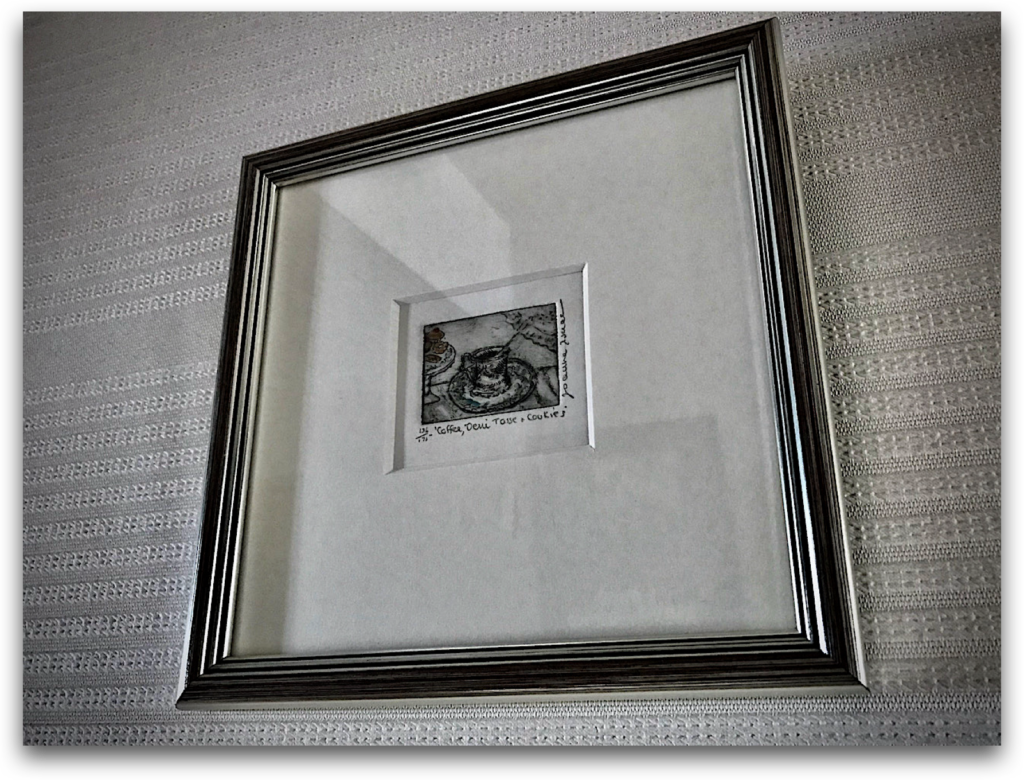
I’ve heard somewhere that the custom of displaying art isn’t yet common in Japan… but is that really true? It’s true that there may be few Japanese rooms where paintings or prints are stylishly displayed, but items like hanging scrolls in the tokonoma, as well as lucky charms, vases, and pots, have long been part of Japanese decor. So I don’t think it’s all that surprising. I, too, enjoy decorating. However, when it comes to what I display, I tend to choose things I like, items that suit the space, or things that catch my eye—though what catches my eye changes from time to time, and that’s only natural. The etching in the photo is a small image of a coffee cup by Joan Isaac. Since many prints are affordable, they’re easy to enjoy. Speaking of accessibility, arranging flowers is probably what I do most often. Though they aren’t paintings, fresh flowers have a special charm all their own. You can enjoy the changes they bring, and they evoke a sense of the seasons. “Even if I’m poor, I don’t want to lose the desire to display a single flower…”—those were the words my father left behind in his later years.
115
ハードディスク
hard disk
知らない人には、何の話と思われるが、何となく聞いたことがある人も多いと思う。コンピュータの記憶媒体なのだが、歴史は古い。世界初のハードディスクドライブは1956年のIBM 305 RAMACのIMB 350ディスク装置と言われている。一般市場への普及は1980年代のウェスタンデジタルやマックストアなどからだ。写真は身近にあったハードディスクだが、下の大きい方が5インチドライブで上の小さなドライブは主にノートパソコンなどに内蔵されている3.5インチドライブ。どちらも現在使われているものだが、使用時間などで消耗品として交換されるのが普通だ。壊れてもしかたがないが、大切なのは中のデータだから、必ずコピーを作っておく必要がある。SSDなどのメモリーに記憶装置が全て置き換わると言われていたが、意外とまだまだ生き残っている。すでに50年以上広く世界中で使われている記憶媒体で、変化の激しいコンピュータの世界では珍しい例といえよう。紙に次ぐ媒体と言えるかもしれない。
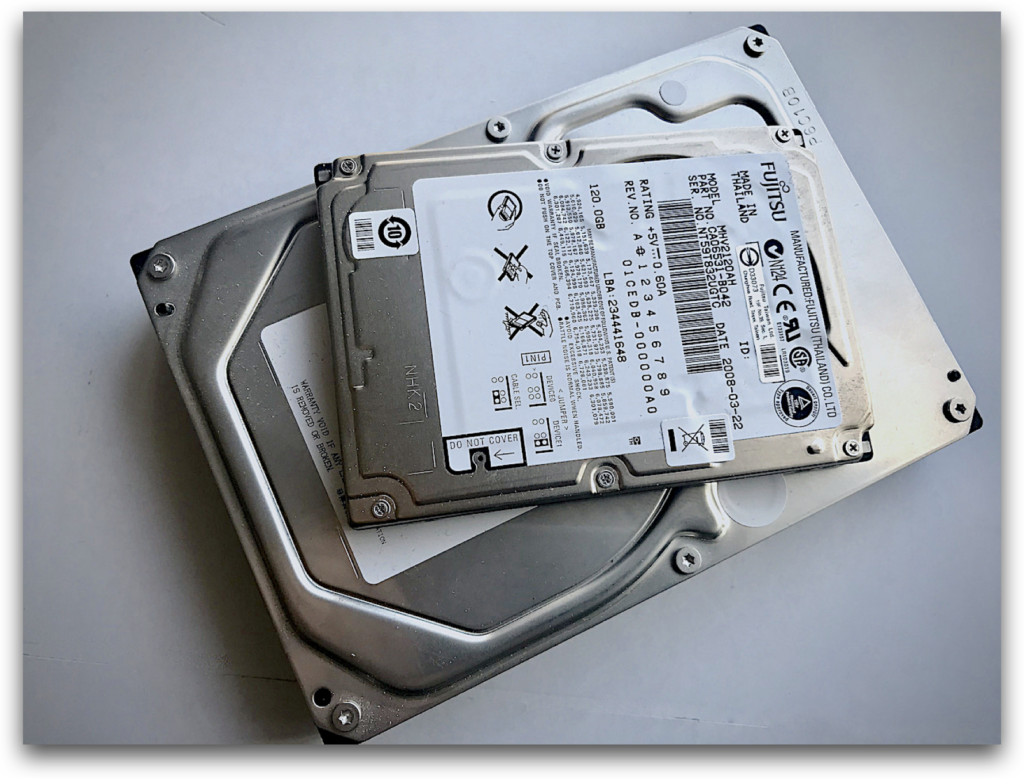
To those unfamiliar with it, this might sound like a foreign concept, but I think many people have heard the term in passing. It’s a computer storage medium with a long history. The world’s first hard disk drive is said to be the IBM 350 disk unit, part of the IBM 305 RAMAC released in 1956. It became widely available to the general public in the 1980s through companies like Western Digital and MacStore. The photo shows two hard drives I had on hand: the larger one on the bottom is a 5-inch drive, and the smaller one on top is a 3.5-inch drive, which is typically built into laptops and similar devices. Both are still in use today, but they’re generally considered consumables that need to be replaced over time due to wear and tear. While it’s inevitable that they’ll break eventually, what really matters is the data inside, so it’s essential to always keep a backup. Although it was once predicted that all storage devices would be replaced by solid-state drives (SSDs) and other memory-based solutions, hard drives have surprisingly managed to survive for quite a while. They’ve been widely used around the world for over 50 years—a rare phenomenon in the rapidly changing world of computing. You could even say they’re the second-longest-lasting medium after paper.
114
コンビニ
convenience store
日本における最初のコンビニエンスストアは1962年、岐阜県多治見駅に出来た鉄道弘済会による店舗だそうだ。コンビニエンスストア自体はアメリカが発祥とされ、1927年、セブンイレブンはテキサスの氷販売店から。ローソンは1939年にオハイオ州で牛乳販売業をしていた店が、牛乳のほかに日用品も扱うようになって誕生した。ローソンのマークが牛乳缶なのはそのためだ。広大なアメリカでは、こうした雑貨を扱うのは、とりあえずの買物の必要性があったからだろう。以前、マウイ島を旅したとき、ハナという小さな街に雑貨屋が一軒あった。食料品はもちろん、日用品から大工道具などあらゆるものが売られていた。この店の他に売っているところがないので大切な店だっただろう。興味深かったのは店の入り口には、伝言板や地域のニュースまでも貼ってあり、コミュニティセンターの役割も果たしていたことだ。ここでは地域情報も大切な商品なのだ。

It is said that Japan’s first convenience store was opened in 1962 at Tajimi Station in Gifu Prefecture by the Railway Kosaikai. Convenience stores themselves are believed to have originated in the United States, with 7-Eleven tracing its roots back to an ice cream shop in Texas in 1927. Lawson was born in 1939 in Ohio when a store that had been selling milk began carrying daily necessities in addition to milk. That is why the Lawson logo features a milk can. In the vast expanse of the United States, the reason for selling such sundries was likely the need for people to make quick, impromptu purchases. When I traveled to Maui some time ago, there was a general store in a small town called Hana. It sold everything from groceries to daily necessities and even carpentry tools. Since there were no other places to shop besides this store, it must have been a vital part of the community. What I found particularly interesting was that the store’s entrance featured a bulletin board with notices and even local news posted on it, serving as a community center as well. Here, local information is also a valuable commodity.
113
マユミ
Euonymus hamiltonianus
別名ヤマニシキギ(山錦木)とも呼ばれるニシキギ科ニシキギ属の植物だ。秋の果実と種子など紅葉が楽しめる庭木として人気がある。植物にはあまり縁のない私だが、古い実家を取り壊したとき、北側で日の当たらない場所に植えられ、雪の下で何度か幹が折れかかったこの木を少し株分けして残した。北国の寂しい秋の季節に、淡いピンク色の硬い果皮を付け、それが4つに割れて、赤い実を下げる。その姿が何となく気になり、今は鉢植えにして家の入り口に置いている。今年は思ったよりも多くの果皮を付け、ちいさなピンク色の彩りを見せてくれている。名前からもわかるように、材質が強く良くしなるため弓の材料として昔は使われた。現在は印鑑や櫛の材料としても使われるらしい。初雪の頃にもまだ実を付けているので野鳥なども食べに来る。私にとっては、晩秋の彩りとしての木である。
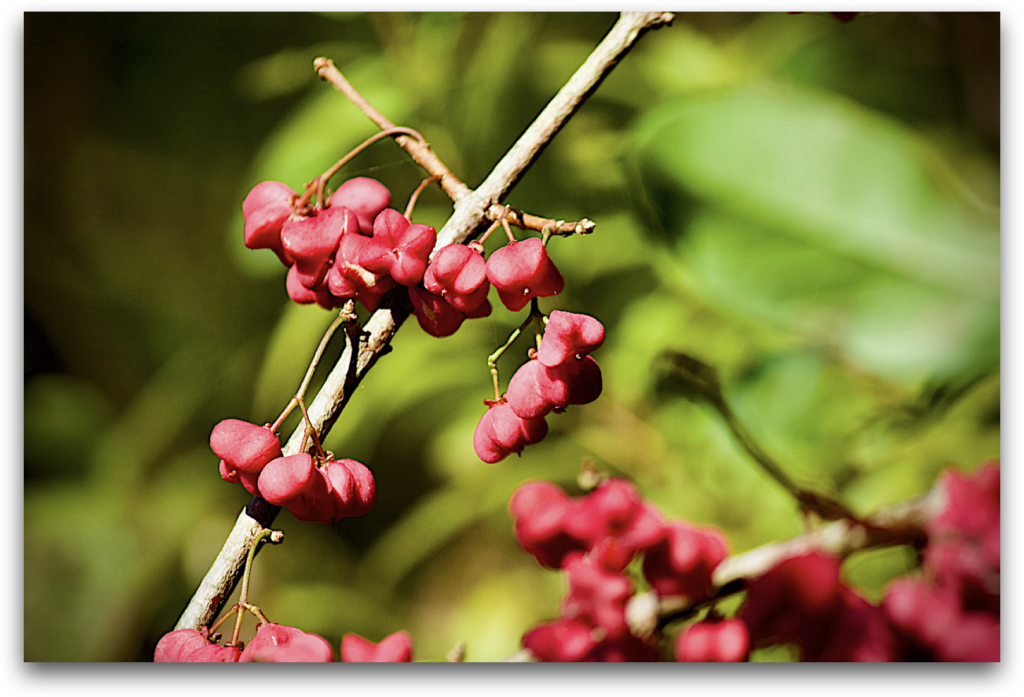
Also known as Yamanishikigi (Mountain Spindle Tree), this plant belongs to the genus Spindle Tree in the family Spindle Tree. It is a popular garden tree for its autumn foliage, including its fruits and seeds. Although I’m not particularly knowledgeable about plants, when my old family home was demolished, I saved a small portion of this tree—which had been planted on the north side in a shady spot and had nearly snapped several times under the weight of snow—by dividing the root ball. During the bleak autumn months of the northern regions, it bears hard, pale pink fruit capsules that split into four sections, revealing red berries. I found its appearance somehow intriguing, so I’ve now potted it and placed it by the entrance to my home. This year, it has produced more fruit capsules than I expected, adding a touch of pale pink color to the landscape. As its name suggests, the wood is strong and flexible, so it was used in the past to make bows. Apparently, it’s also used today to make personal seals and combs. Since it still bears fruit around the time of the first snow, wild birds come to feed on them. For me, it is a tree that adds a touch of color to late autumn.
112
続・GoPro
GoPro, Part 2
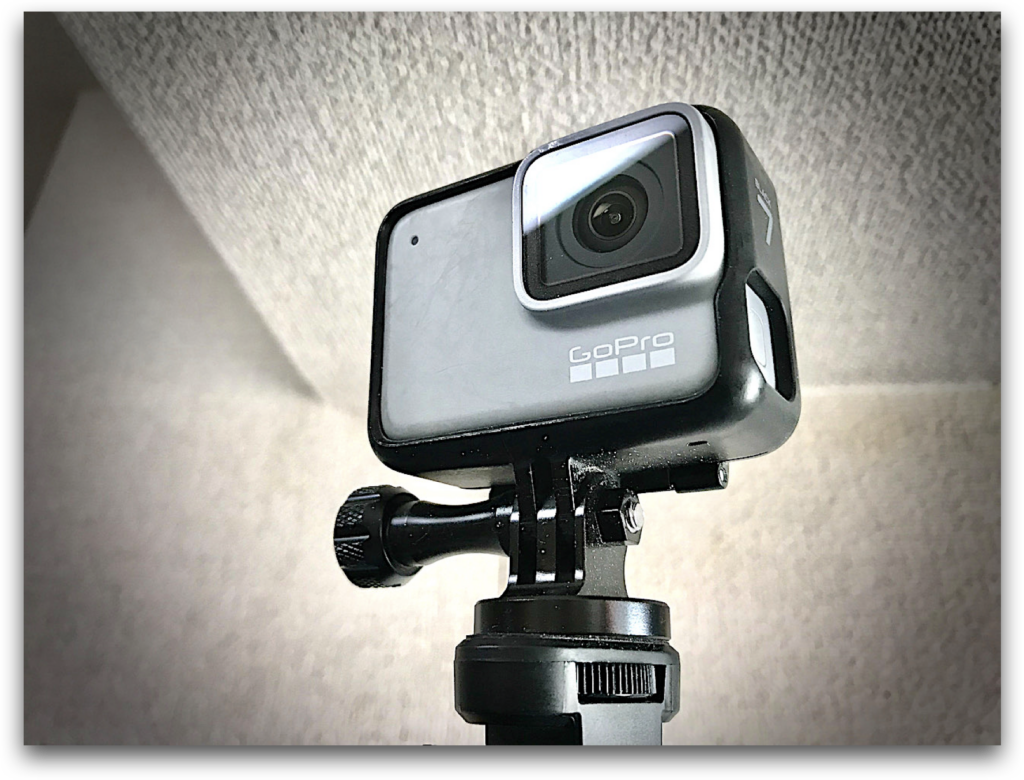
061でも書いたが、サーフィンの撮影が出来るようにと2004年に発明されたアクションカメラは、手ぶれ防止、防水、耐震など撮影機能をアップ、ウェラブルカメラの代表になった。1080pの高解像度になったことで放送レベルの画質になり、今ではその映像をテレビで見ない日はないくらいだ。私が使うようになったのは、ある知り合いのカメラマンが面白いおもちゃがあると見せてくれたのがきっかけだったが、その後画質も良くなり、ゆがみも自然な画角になってきてよく使うカメラのひとつになった。主にタイムラプスで使っているが、時間を早送りで見せてくれる効果は大きい。体に付けられる気軽さはウェラブルカメラの強みだ。映像の時代と言われて久しいが、兵士のヘルメットに装着されたり警察官や、作業員も付ける時代になって、生々しい映像記録も残される。アクションカメラにも競合機種が増えてきて、人気がやや下火になったとはいえ、このカメラが果たす疑似体験映像の役割は、これからの方が大きくなると思う。
As I mentioned in post 061, action cameras—invented in 2004 specifically for filming surfing—have seen improvements in features such as image stabilization, water resistance, and shock resistance, becoming the flagship of wearable cameras. With the shift to 1080p high resolution, the image quality reached broadcast-level standards, and nowadays, there’s hardly a day that goes by without seeing such footage on TV. I started using one after a photographer friend showed me what he called an “interesting little gadget.” Since then, the image quality has improved, and the distortion has been corrected to provide a more natural field of view, making it one of my go-to cameras. I mainly use it for time-lapse photography, and the effect of fast-forwarding time is quite impressive. The ease with which it can be attached to the body is a major strength of wearable cameras. We’ve long been in the “age of video,” and now that these cameras are mounted on soldiers’ helmets and worn by police officers and workers alike, they’re capturing raw, vivid footage. While competition in the action camera market has increased and its popularity has waned somewhat, I believe the role this camera plays in creating immersive, “as-if-you-were-there” experiences will only grow in the future.
111
栓抜き
bottle opener
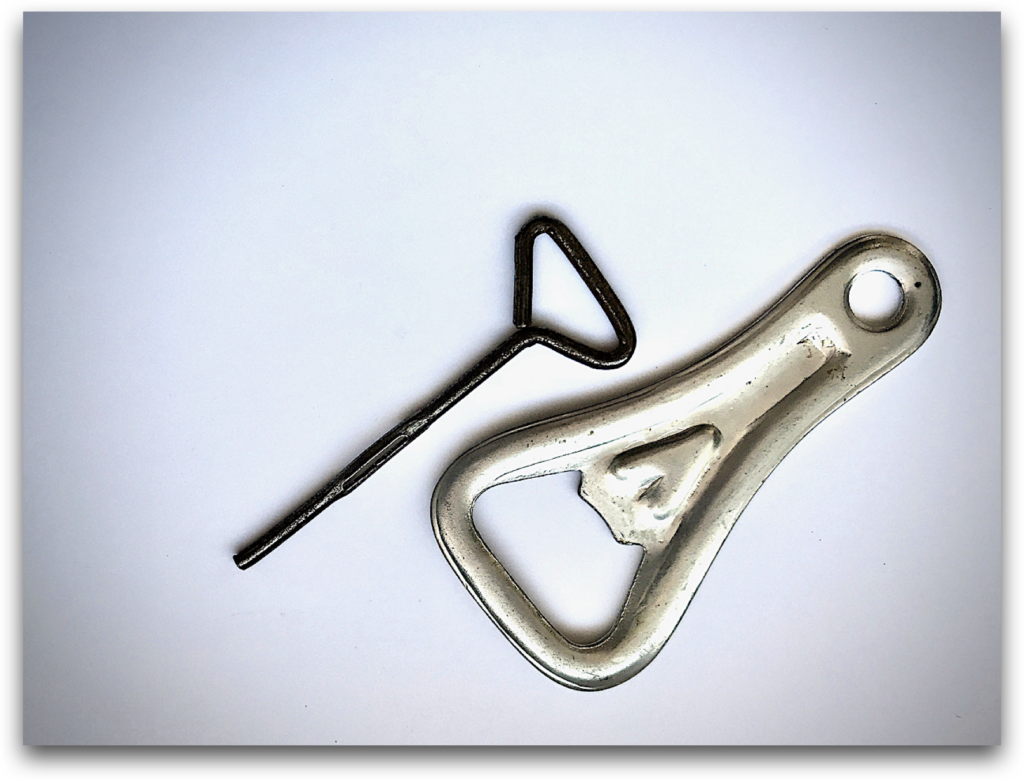
キャップ式ボトルが多くなったが、やはりこれがないと多くのビンの王冠は開けられない。素手で挑戦してみるとよく分かる。力を入れすぎると血が出る。昔、キャンプしていたとき、どうしても栓抜きが見つからず、ビンを割って飲んだことがあったが、危険なことだった。ペットボトルが出てくる前は色んな所に栓抜きが付いていた。列車の窓の下の小さなテーブル、映画館の前のイスの背もたれ、自動販売機にも親切に付いていた。調理ばさみなど、見渡せばあちこちにあったものだ。写真のものは結構古いもので、軽い材質で出来ていて、ポケットにも入る。針金のものは栓抜きではないが、鰯の缶などの金属製の蓋を巻き取って開ける専用ふた開け道具。これも缶自体にくっついていたものだ。今でもお土産品などで、いろんな栓抜きが売られていたりするが、きっとコレクターも多いのだろう。
Although screw-top bottles have become more common, you still can’t open many crown-capped bottles without one. You’ll realize this if you try opening one with your bare hands—if you use too much force, you’ll draw blood. Once, when I was camping, I couldn’t find a bottle opener anywhere, so I ended up breaking the bottle to drink from it—which was quite dangerous. Before plastic bottles became widespread, bottle openers were found in all sorts of places: on the small tables beneath train windows, on the backs of seats in movie theaters, and even thoughtfully attached to vending machines. If you looked around, you’d find them everywhere—on kitchen shears and other items. The one in the photo is quite old; it’s made of lightweight material and fits right in your pocket. The wire one isn’t a bottle opener, but a specialized tool for winding off and opening metal lids on items like sardine cans. This, too, used to be attached to the can itself. Even today, all sorts of bottle openers are sold as souvenirs and the like, so I’m sure there are plenty of collectors out there.
110
駐車場
parking space
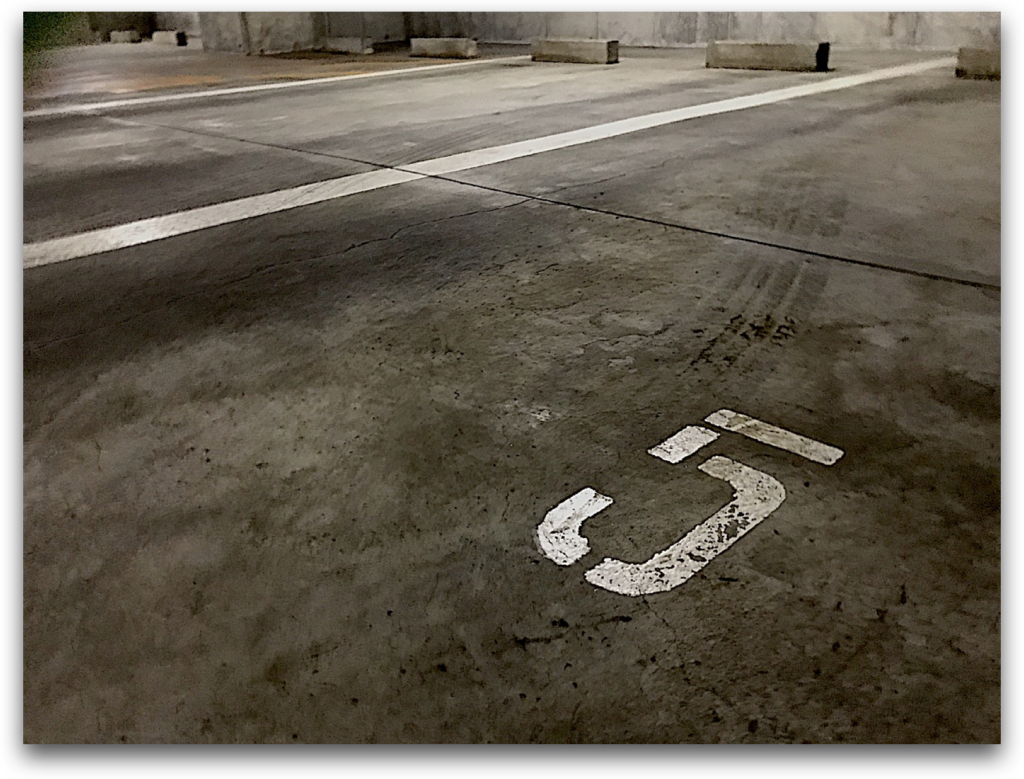
馬が移動手段だった頃は、馬留と呼ばれて馬の手綱を結んで馬を休ませていた場所があった。駐車場は現代版の馬留めだろう。映画などで登場する駐車場は、必ず何か事件がつきものだ。特に室内駐車場は何となく不思議な空間でもある。何があるわけでもなく、何となく湿った空気と暗い光がドラマ作りにはぴったりなのかも知れない。駐車場で思い出すのは、バレーパーキングだ。バレットパーキング(Valet Parking)とも言い、その施設の従業員に車のキーを渡して決まった場所に車を停める方法だ。だから、駐車場を探すこともないし、場所を憶えることも必要ない。海外で初めて経験したとき、何となくキーを渡すのが不安だったことを憶えている。後になってチップを渡すことも学んだが。最近では、巨大施設の広大な駐車場などで、停めた場所が分からなくなることを想定して、スマホで自分が停めた場所を表示するシステムも出てきている。もちろん、スマホにはチップは必要ない。
Back when horses were the primary means of transportation, there were places called “horse tethers” where people would tie up their horses’ reins to let them rest. Parking lots are probably the modern-day equivalent of those horse tethers. Parking lots that appear in movies and TV shows are almost always the setting for some kind of incident. Indoor parking lots, in particular, have a somewhat mysterious atmosphere. There’s nothing special about them, but perhaps the slightly damp air and dim lighting make them perfect for creating drama. When I think of parking lots, valet parking comes to mind. Also known as “Valet Parking,” it’s a service where you hand your car keys to an employee at the facility, and they park your car in a designated spot. That way, you don’t have to search for a parking spot or remember where you parked. I remember feeling a bit uneasy about handing over my keys the first time I experienced this abroad. Later on, I learned that I was supposed to give a tip as well. Recently, systems have emerged—especially in the vast parking lots of large facilities—that use your smartphone to show you where you parked, anticipating that you might forget. Of course, you don’t need to tip your smartphone.
109
スクランブル
scramble
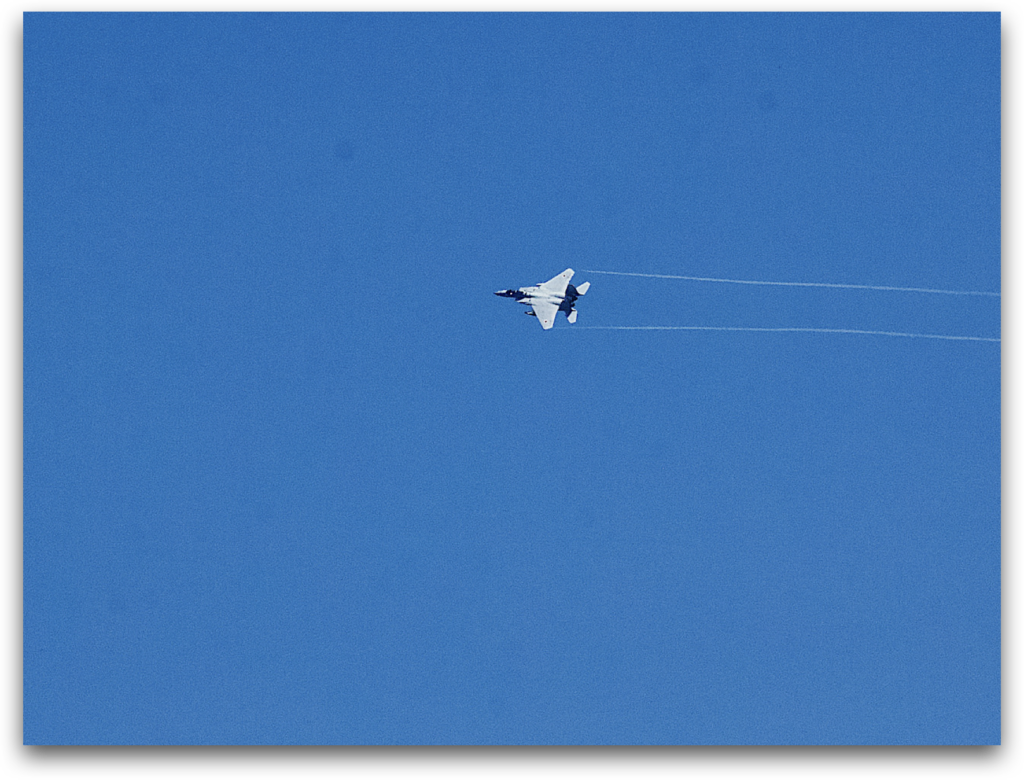
言わずと知れた「緊急発進」のことだ。国籍不明の領空侵犯機を牽制するため自国の戦闘機がスクランブル発進することは数多くある。特に近年は、隣国情勢など緊張状態が続いていて、日常、発進することがが多いのだろう。この日も、突然の爆音と共に飛び立っていった。写真のF15J戦闘機がその瞬間だ。カメラのピントを合わす間もなく空の青色の中に消えていった。通称イーグルと呼ばれるこの機体は長さ19.4メートル、幅13.1メートルで重さ25トン、最高速度がマッハ2.5という飛行性能を誇る。そして高度19,000メートルまで上昇できるという。パイロットはイーグルドライバーと言われパイロットの花形だ。巡航距離は4,600キロで日本全土をカバーする。でも、それだけの空の守りをもってしても、国境付近では常に緊張状態が続いている。
This, of course, refers to a “scramble.” It is not uncommon for a country’s fighter jets to scramble to intercept unidentified aircraft that have violated its airspace. Especially in recent years, with ongoing tensions in neighboring countries, such scrambles have likely become a routine occurrence. On this day as well, the jets took off amid a sudden roar. The photo captures that very moment of the F-15J fighter jet. Before I could even focus the camera, it vanished into the blue sky. Commonly known as the “Eagle,” this aircraft boasts impressive flight performance: it is 19.4 meters long, 13.1 meters wide, weighs 25 metric tons, and has a top speed of Mach 2.5. It is also capable of climbing to an altitude of 19,000 meters. Pilots of this aircraft are known as “Eagle Drivers” and are considered the cream of the crop among pilots. With a cruising range of 4,600 kilometers, they can cover the entire territory of Japan. However, even with such robust air defense, tensions remain high along the country’s borders.
108
手帳
Personal Digital Assistant
ノートブック、あるいはポケットブックなど呼び名は色々あるけれど、要するにスケジュールや覚書を書いておくノートのことだ。とりあえずここでは手帳としておこう。私は仕事をし始めてから手帳をつけるようになった。なったというか、それがなければ仕事にならなかったからだ。それまでは必要なかった。スケジュールに従って物事を進めていかなければ仕事にならない、そうして始めた手帳でありスケジュール帳だった。当然、日記とは違い、感想や個人的な事柄は書かない。30数年、紙の手帳を使ってきたが、2001年に当時PDAとして電子手帳が発売されたので、そこからデジタル手帳に変わって行った。今、PDAといっても何のことか分かる人は少ない。パーソナルデジタルアシスタントの頭文字だ。アップルのジョン・スカリーの造語だそうだ。手のひらに納まり、予定表や住所録がデータとして持ち運べる。1990年代にはもちろんスマホはない。紙からデジタルへ完全に変えるには、実は勇気がいった。つい鉛筆でメモをとろうとする時、将来アナログではデジタルの恩恵は得られない、と自分を抑えたことを思い出す。
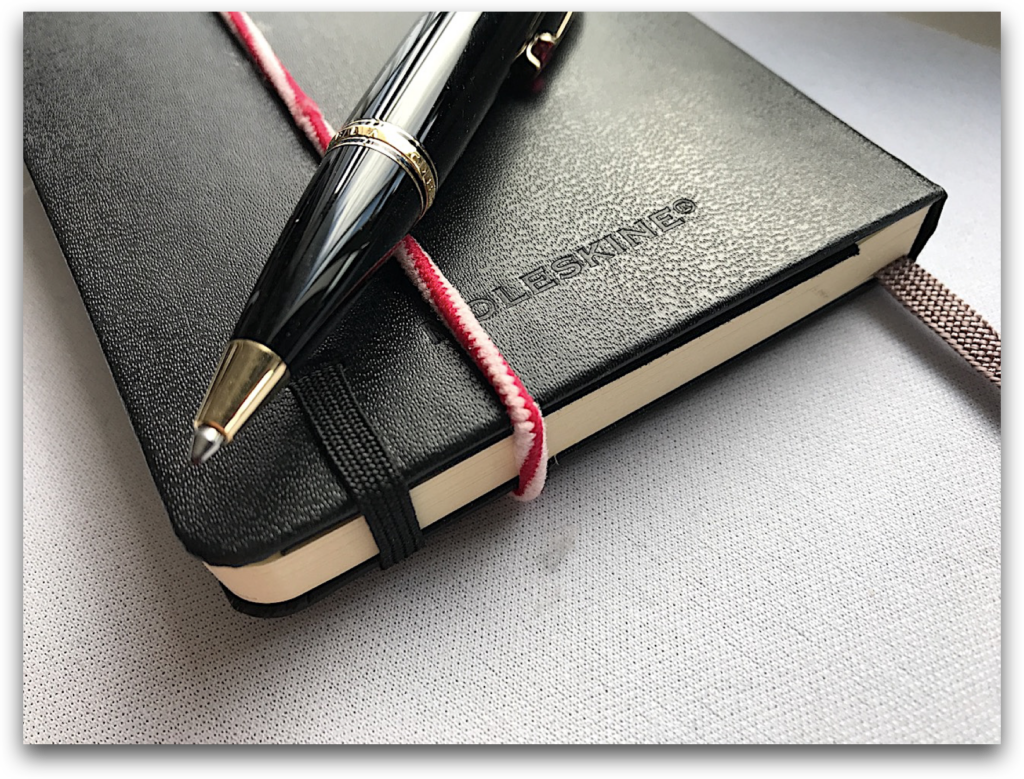
There are various names for it—notebook, pocket book, and so on—but essentially, it’s a notebook for jotting down schedules and memos. For now, let’s just call it a planner. I started keeping a planner when I began working. Or rather, I had to—I simply couldn’t do my job without one. Before that, I didn’t need one. I started using a planner and schedule book because I realized I couldn’t get my work done unless I followed a schedule. Naturally, unlike a diary, I don’t write down my thoughts or personal matters in it. I used a paper planner for over 30 years, but in 2001, electronic organizers—known at the time as PDAs—were released, so I gradually switched to a digital planner. These days, few people know what a PDA is. It stands for “Personal Digital Assistant.” Apparently, it was a term coined by John Sculley of Apple. It fits in the palm of your hand and allows you to carry your schedule and address book with you as digital data. Of course, there were no smartphones in the 1990s. It actually took some courage to make the complete switch from paper to digital. I remember how, whenever I found myself reaching for a pencil to take notes, I’d remind myself that if I stuck with analog, I wouldn’t be able to reap the benefits of digit.
107
ラジオ
radio
見たり読んだりするメディアが増えている中で、ただ聞くだけというラジオは特別なメディアになっている。とくにウォークマンが普及し出した時代からさらに加速してきた気がする。ラジオというと学生の頃放送局でアルバイトしたことを思い出す。お気に入りの曲をラジオ放送でかけてもらうため、はがきでリクエストするという番組が多かった。山ほど届くはがきの山から何枚か選んで、紹介し曲をかける。曲と言ってもその当時はレコードだ。先に何曲か選んで、レコード室へ走って行き、目的のレコード盤を探してくる。パーソナリティーと呼ばれるいわゆるディスクジョッキーが曲を紹介しながらはがきを読む。たまたま読んでもらった人はきっと良い思い出だったのではないだろうか。人気の曲には、たくさんはがきが来ているので、その中で読まれるために、はがきに絵を描いたり、色をつけたりで、応募する人も色々工夫をしたものだった。現在、ラジオはネットでも聞ける時代になったが、音だけを聞く装置は生き残るのだろうか。古いラジオを眺めながら考えてしまう。
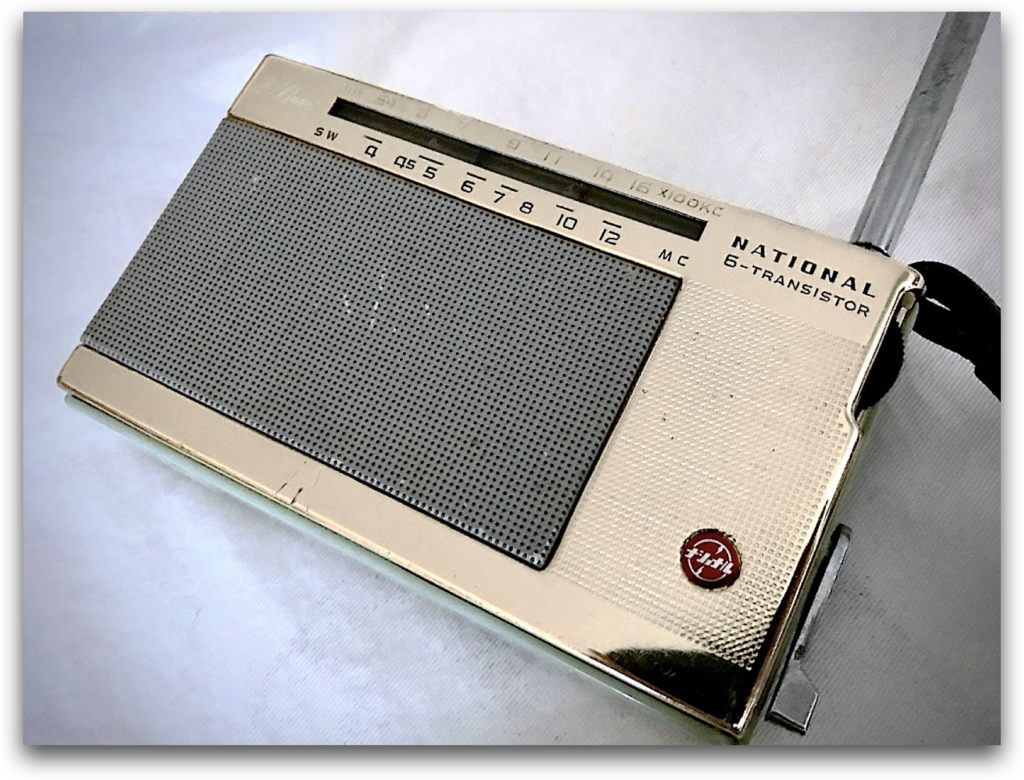
With the increasing variety of media we watch and read, radio—which relies solely on listening—has become a unique medium. I feel this trend has accelerated even further since the era when Walkmans first became popular. When I think of radio, I’m reminded of the part-time job I had at a radio station back in my college days. There were many shows where listeners would send in postcards to request their favorite songs to be played on the radio. The hosts would select a few from the mountain of postcards they received, introduce them, and play the songs. When I say “songs,” I mean records back then. They’d pick a few songs in advance, run to the record room, and fetch the right records. The so-called “disc jockeys,” or “personalities,” would read the postcards while introducing the songs. I’m sure it was a wonderful memory for anyone whose postcard happened to be read on air. Since popular songs received a flood of postcards, people went to great lengths to get theirs read—drawing pictures or coloring their postcards to stand out from the crowd. Nowadays, we live in an era where you can listen to the radio online, but I wonder if devices designed solely for listening to audio will survive. I find myself pondering this as I gaze at my old radio.
106
時計
watch
書く話題に困ると、自分の部屋の中を改めて見回し、何かないかと探してみる。すると、見慣れた中に色んなものが隠されていて、まるで自分の部屋を探検している気分になるものだ。ヘンな話だが、自分で集めたものの中でさまよっている感覚だ。数年前からAppleWatchを使っているので、いわゆる普通の時計を使うことが少なくなった。もちろんApple Watchも時計機能はあるのだが、普通の時計とは機械式のアナログ時計のことだ。写真のようにいくつか時計は持っているが、AppleWatchになってからは、これらの普通の時計はしばらく出番がなくなっている。そう思い、昨日はしばらくぶりにアナログ時計を付けて出かけてみた。ずっしりとした金属の質感や重さが何となく心地良い。しっかり動く秒針も新鮮な感じがする。時を知るだけの単一な機能しかないが、たったそれだけのための機械が不思議な存在感を与えてくれた。AppleWatchの多機能製も良いが、普通の時計もなるべく使っていこうと思わされた。
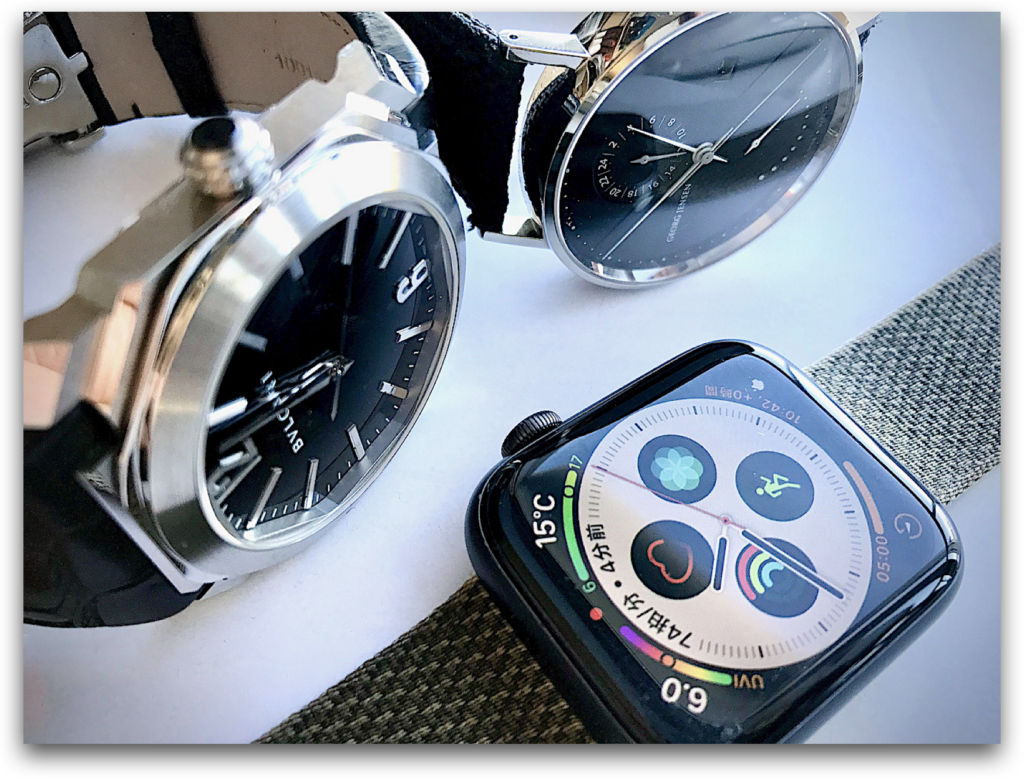
When I’m stuck for something to write about, I take another look around my room and see if I can find anything. Then, I realize there are all sorts of things hidden among the familiar objects, and it feels just like I’m exploring my own room. It sounds strange, but it’s like I’m wandering through the things I’ve collected myself. I’ve been using an Apple Watch for several years now, so I rarely wear what you might call a “regular” watch anymore. Of course, the Apple Watch has a time-telling function too, but by “regular watch,” I mean a mechanical analog watch. As you can see in the photo, I do own a few of them, but ever since I started using the Apple Watch, these regular watches haven’t seen much use. With that in mind, yesterday I decided to go out wearing an analog watch for the first time in a while. The solid feel and weight of the metal are somehow comforting. The steady movement of the second hand also felt refreshing. Although it has only a single function—telling time—the mechanism designed solely for that purpose gave it a mysterious presence. While the Apple Watch’s multifunctionality is great, this experience made me want to use a regular watch as often as possible.
105
台所用品
Kitchenware
日本の台所道具は世界でも優れた品質で有名だ。刃物、鍋などの銅製品や鉄器。繊細な調理道具や器など数限りない優れてシンプルな道具が揃っている。一方海外ではどうだろうか。もちろん素材や料理方法などの違いで道具なども個性豊かな品々がやはり多いが、それらに何となく感じるのは、色彩やユニークな形ではないだろうか。料理の専門家でもない自分がこんなことを言うのはおこがましいが、違った角度から見ると別の個性が見えてくる。例えば写真のクリップは食材の袋や容器の口を止めておく海外製のものだが、柔らかな手触りの形とカラフルな色は独特だ。見ているだけで、実に自由な雰囲気が感じられる。食事を楽しく、またワイワイと食べながらのおしゃべりまで、こんな小さな道具にも込められているような気がしてくるものだ。
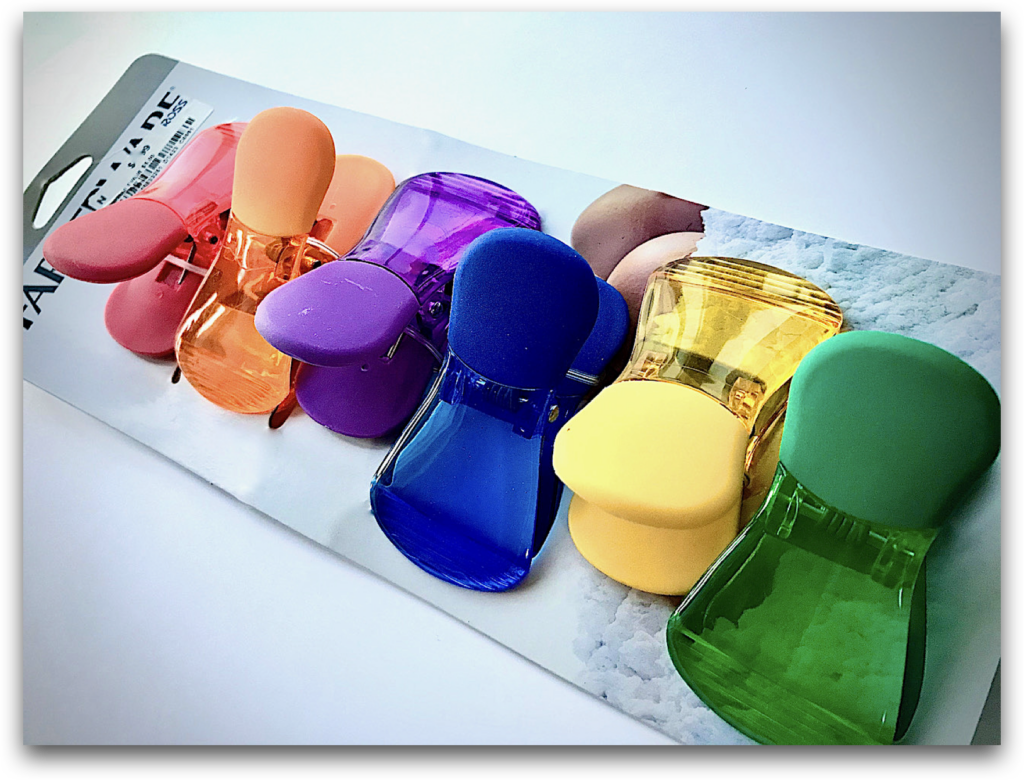
Japanese kitchenware is renowned worldwide for its exceptional quality. From knives to copper and iron cookware, there is an endless array of superb yet simple tools, including delicate cooking utensils and tableware. But what about overseas? Of course, due to differences in ingredients and cooking methods, there are many distinctive items, but what I tend to notice most about them is their color and unique shapes. It may be presumptuous of me—someone who is no culinary expert—to say this, but when viewed from a different angle, a distinct character emerges. For example, the clip in the photo is a foreign-made product designed to seal the openings of food bags and containers; its soft-to-the-touch texture and colorful design are truly unique. Just looking at it, you can sense a truly carefree atmosphere. It feels as though even such a small tool embodies the joy of eating and the lively chatter that accompanies a meal.
104
ルートビア
root beer
知っている人の中でも、好みがはっきりと分かれる飲み物がルートビアだ。ビアと名前にあるが、ノンアルコールだ。ルートとは植物の根の意味を持つそうで、1866年アメリカで発売されたとウィキペディアにはある。最初はアルコールも少し含まれていたそうだが、やがて薬剤師などの知識が入り、少しずつ薬効も加わり独特の味わいになっていった。A&Wの缶を店頭で見かけたこともあると思う。私もA&Wが最初の出合いだった。沖縄の空港でジョッキで飲んだ記憶がある。その後アメリカ本土に行ったとき、結構な種類が店頭に並んでいて、驚いたことがある。何本か飲んでみたが、少しずつ微妙に味が違う。調べてみると自家製もあり、種類も多くあることが分かった。ルートビアには何となく土着性な香りがするのが魅力だ。地域性やその飲まれてきた時間が何となく感じられるものでもある。写真の一瓶はハワイで見かけたけっこうポピュラーな銘柄だ。ほんのりサロンパスの香りがする。ミズメという樹木も同じ香りだと聞いたことがある。
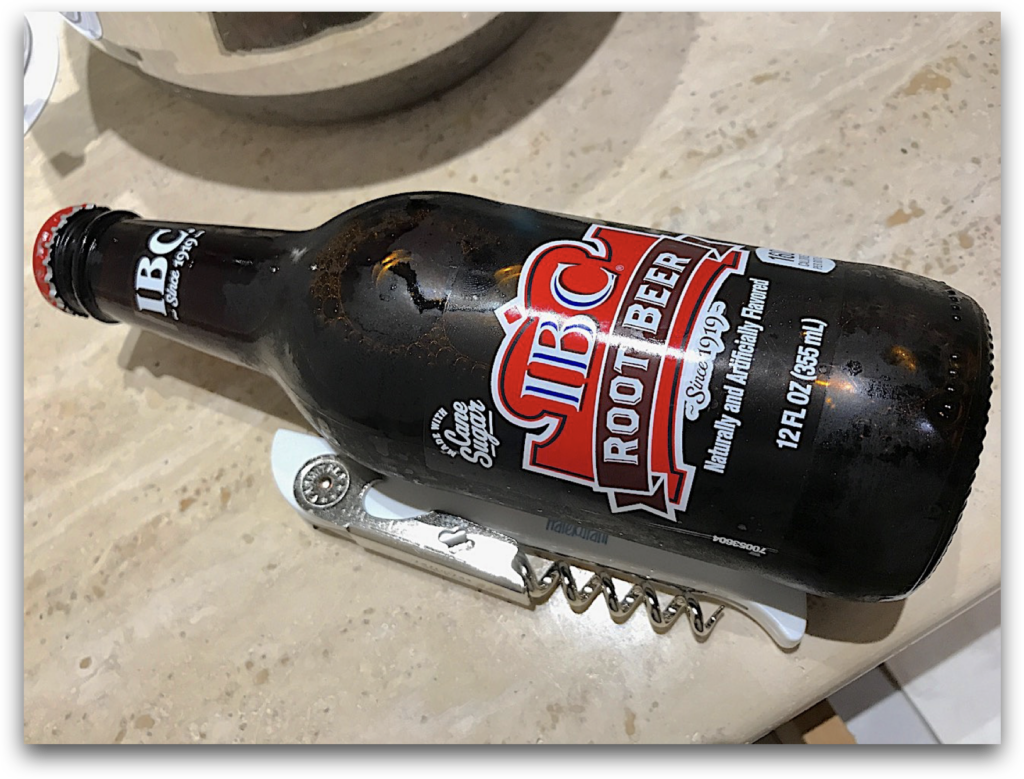
Among those who are familiar with it, root beer is a drink that clearly divides people’s tastes. Although it has “beer” in its name, it’s non-alcoholic. “Root” apparently refers to plant roots, and according to Wikipedia, it was first released in the United States in 1866. It’s said that it originally contained a small amount of alcohol, but as pharmacists and others contributed their expertise, medicinal properties were gradually added, giving it its unique flavor. I’m sure you’ve seen A&W cans in stores. My first encounter with it was also with A&W. I remember drinking it from a mug at the airport in Okinawa. Later, when I visited the U.S. mainland, I was surprised to see quite a variety lined up on store shelves. I tried a few different kinds, and each had a slightly different, subtle flavor. Upon looking into it, I discovered that some are homemade and that there are many different varieties. Part of the appeal of root beer is its somewhat earthy aroma. It’s also something that lets you sense the regional character and the history of how it’s been enjoyed over time. The bottle in the photo is a fairly popular brand I came across in Hawaii. It has a faint scent reminiscent of Salonpas. I’ve heard that the Mizume tree has the same scent.
103
スーツケース
Suitcase
旅行カバン選びは結構難しいものだ。何度か海外旅行を経験すると、どんな旅行鞄が必要か、自ずと知ることになるが。予想できる必要項目の答えは大体合っているが、実はその答えと実際の答えは少しずれている。例えば、軽い鞄がラクで良いと思ったら、荷物を詰めたときに意外に安定感がなくふらついたり、小さくてかまわない、と考えていると、旅行の帰りでは荷物が増えることの方が多かったりと何度かの旅の経験が自分に合ったカバンの答えを出してくれる。また、カバンについてのエピソードは数え切れないくらいあるものだ。例えば行方不明になったカバンの話とか、鍵をなくしてしまった話とか…。旅行の話と同じくらいカバンの失敗談も多いものだ。写真のスーツケースは私が使っているものだが、見て分かるようにボコボコにへこんでいる。空港などで積み込みの時、投げられたりすることはあたりまえだからだ。最初から覚悟して使ってきた。そんなものだと思う。時々叩き治して使っている。中に詰めた旅の道具を守ってくれる頼れる相棒でもあるのだ。
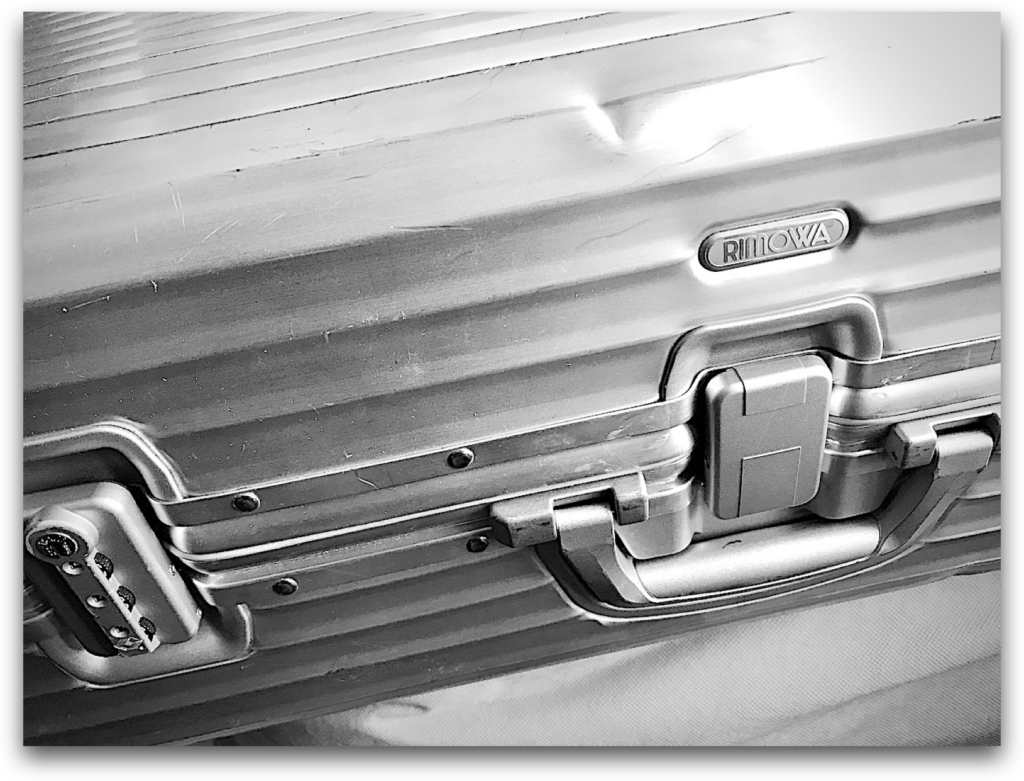
Choosing a suitcase can be quite difficult. After traveling abroad a few times, you’ll naturally come to understand what kind of suitcase you need. While your predictions about what you’ll need are usually pretty accurate, there’s actually a slight discrepancy between what you expect and what you actually need. For example, you might think a lightweight bag is comfortable and convenient, only to find that once packed, it’s surprisingly unstable and wobbles. Or you might assume a smaller bag will suffice, only to find that your luggage often ends up increasing on the return trip. It’s through these experiences that you eventually discover the bag that’s right for you. There are also countless stories about luggage—like when a bag goes missing or when you lose the key… There are just as many stories about bag mishaps as there are about travel itself. The suitcase in the photo is the one I use, and as you can see, it’s all dented and battered. That’s because it’s common for luggage to get tossed around during loading at airports and such. I’ve been using it with that in mind from the start. I just accept it as part of the deal. Every now and then, I straighten out the dents and keep using it. It’s a reliable partner that protects the travel gear I pack inside.
102
月
moon
月というテーマは平凡でいて重すぎるのかも知れない。なぜならその存在は時代と共に重要さを増してきているような気がするからだ。もうすぐ十五夜。メンタルな気分で眺める月もあるが、月表面を走行できるタイヤの開発も進んでいるという話を聞くと、何となく現実味もある。眺める存在から移住したりする存在へ変わっていくのだろうか。そんなことを考えながら眺めてみた。写真は以前に撮ったものだが、手持ちなので少しぶれている。今まで何度、月を撮っただろうか。行けるものなら行ってみたい気もするが、おそらくムリだろう。見えるけど行けない場所の代表か。開き直って行けないからこそいろんな空想を抱かせてくれる、などと言ってみる。月の引力が地球の出来事に影響を与えている、と昔から言われ、一番の答えが、海の満ち引きだろう。実感できるものとして、説得力がある。その引力はわずかではあるけれど、私たち人体にも影響しているのだろう。楕円軌道をしながら地球の周りを回っている月が、どこかで自分たちにも見えないチカラを与え続けていると考えると、何かの言い訳にも使えるのかもしれない。
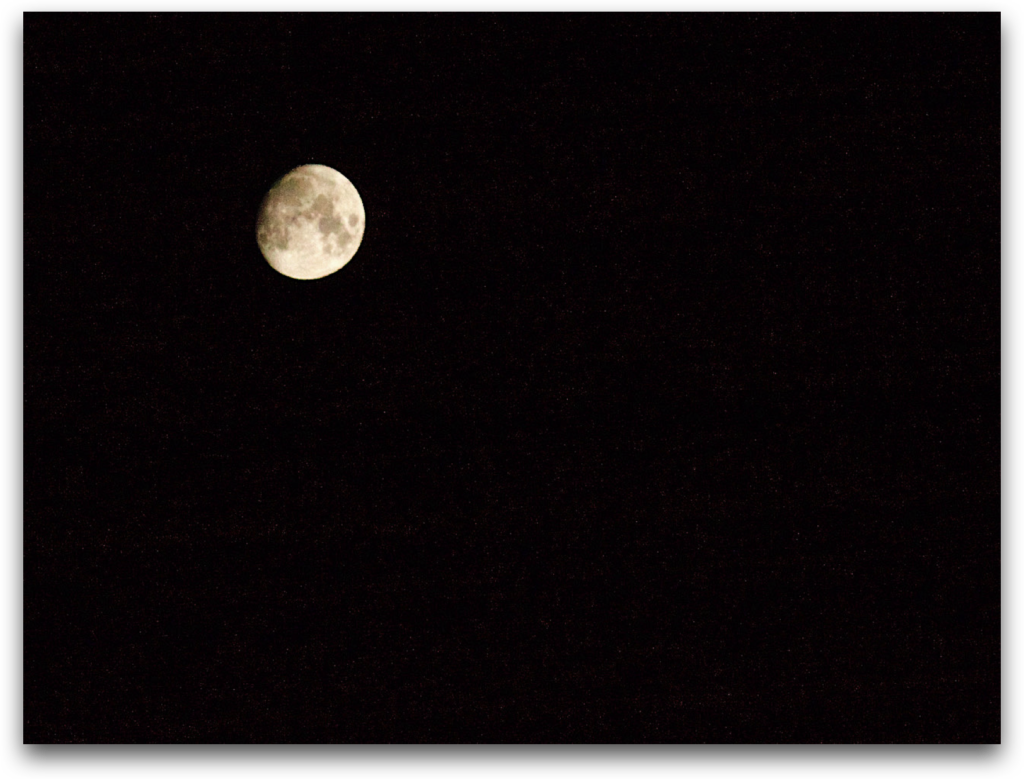
The theme of the moon might be both ordinary and a bit too weighty. That’s because I feel its significance has been growing over time. The Full Moon Festival is coming up soon. While there are times when I gaze at the moon in a contemplative mood, hearing that development is underway on tires capable of traveling across its surface makes it feel strangely tangible. Will it transform from something we simply gaze at into a place where we might one day settle? I gazed at it while pondering such things. This photo was taken some time ago, but since I shot it handheld, it’s a little blurry. I wonder how many times I’ve photographed the moon so far. I’d love to go there if I could, but that’s probably impossible. It’s the quintessential example of a place you can see but can’t reach. I’ll just say, with a touch of resignation, that it’s precisely because I can’t go there that it sparks all sorts of fantasies. It’s long been said that the moon’s gravitational pull influences events on Earth, and the most obvious example of this is the ebb and flow of the tides. As something we can actually feel, it’s quite convincing. That gravitational pull, though slight, probably affects our bodies as well. When I think about how the moon, orbiting the Earth in an elliptical path, continues to bestow a force upon us that we can’t even see, it might even serve as some kind of excuse.
101
帽子
Hat
最近、ふと考えたが、年配者は帽子をかぶるようになったのか。最近感じることなのだが。髪の毛が薄くなってくると、頭の上が何となく不安になってくるものだ。自分もすでに髪の毛が若いときに比べ半分以下になっている。これは自然の流れだ。ふさふさとした羨ましい髪の年配者はいるが、多くの人は歳と共に髪の毛は薄くなるものだ。しかたがないが、そうなると保護の意味もあって途端に帽子をかぶり始める。へーヤースタイルのオシャレもしづらいのでなおさらだ。女性は日焼けなどを気にしてか、つばの大きめの帽子が多く、男性は簡単な前につばがあるいわゆる野球帽をかぶることが多い。ところで、なぜ野球帽なのだろう。いつも不思議なのだが帽子にも色々あるのになぜか野球帽。手に入りやすく手軽だからなのか。野球もしないのに野球帽はやはりヘンだ。野球ファンなら別だが…。昔の写真を見ると男性の年配者は立派な帽子をかぶり、着物を着て歩いている。洋服になったことが日本人の帽子の嗜好が変わってしまった理由だろうか。
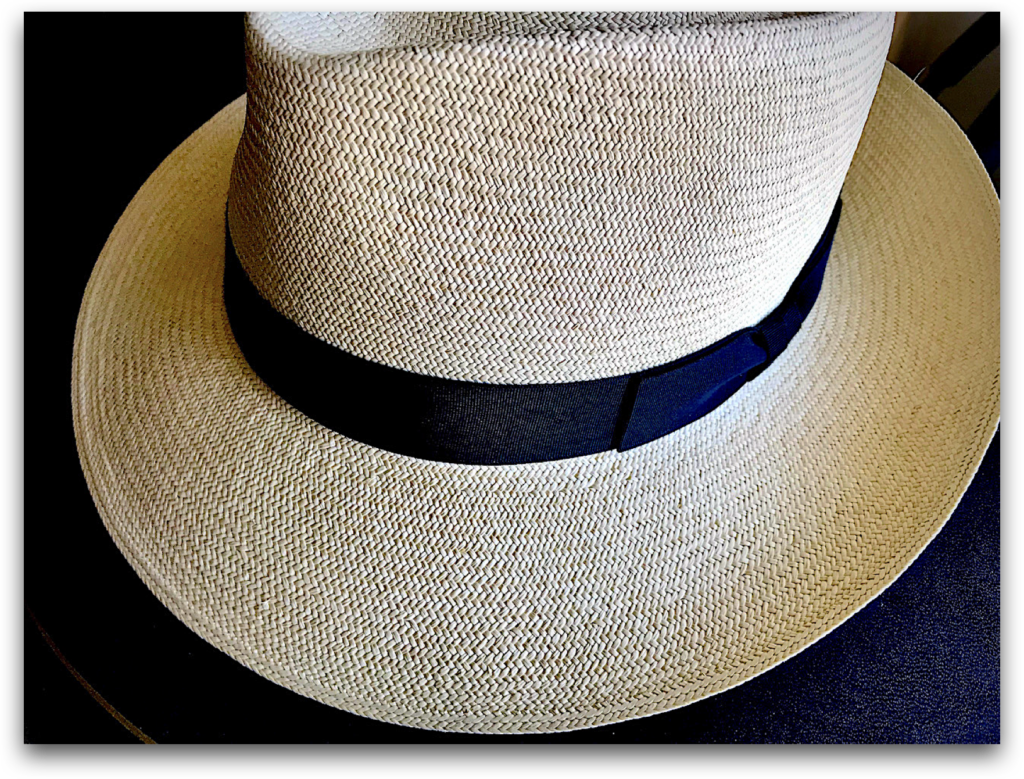
I’ve been wondering lately: when did older people start wearing hats? As your hair thins, you can’t help but feel a bit self-conscious about the top of your head. My own hair is already less than half of what it was when I was young. This is just the natural course of things. While there are some older people with enviably thick hair, for most of us, hair thins as we age. It can’t be helped, but once that happens, people often start wearing hats right away—partly to protect their heads. It’s even more common because it’s harder to style their hair. Women, perhaps concerned about sunburn, often wear hats with wide brims, while men tend to wear simple baseball caps with a brim at the front. By the way, why baseball caps? I’ve always wondered—there are so many different kinds of hats, yet for some reason, it’s always baseball caps. Is it because they’re easy to get and convenient? It does seem a bit odd to wear a baseball cap when you don’t even play baseball. Unless you’re a baseball fan, of course… Looking at old photos, you see older men wearing elegant hats and walking around in kimonos. Could the shift to Western-style clothing be the reason Japanese people’s hat preferences have changed?
100
ゲロルシュタイナー
Gerolsteiner
いつの頃からか、水を買う時代になった。水道も元々有料ではあるが、外出時などに飲み水として水を買うことがあたりまえになっている。でも、昔はそうではなかった。特に飲み水に恵まれていた日本では、いろんな施設には無料の水飲み場があり、大抵の場合水が飲めた。また、どこでもお願いすれば水を無料で飲ませてもらえたものだ。だが、健康志向なのか、単に売っていなかったからなのかは分からないが、現在は、飲み水は買って飲むものになっている。持ち歩く時も、以前は水を水筒に入れ持ち歩きながら飲んだものだ。変わったものだとつくづく思う。私はずいぶん前から、写真の水を飲んでいる。始めは数本コンビニで買っては飲んでいたが、今では箱単位で買っている。この水を飲む理由は単純だ。水道水にはないミネラルが多いからだ。最初は硬水の味がキツく、飲んだ後の食事の味が違って感じたくらいだったが、今では逆に食べ物を炭酸水に合わせるほどだ。日本の水は軟水が多く和食にはぴったりくるが、最近は洋食化が進み、炭酸系の硬水も増えているという。この水が良いところは、ウィスキーをこのまま割ればハイボールになることだ。
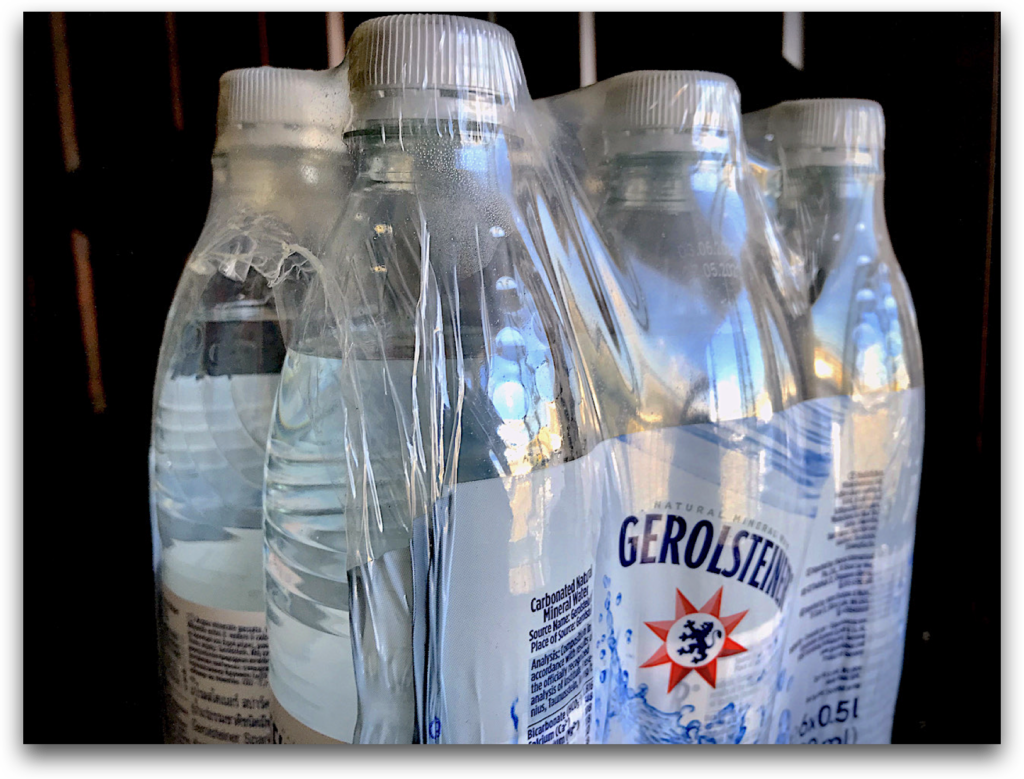
At some point, we entered an era where people buy water. While tap water has always been subject to a fee, it has become commonplace to buy bottled water to drink when we’re out and about. But it wasn’t always like that. In Japan, where we’ve always been blessed with an abundance of drinking water, various public facilities used to have free drinking fountains, and in most cases, you could get a drink of water. Also, if you asked, you could usually get a free drink of water just about anywhere. However—whether due to a growing health consciousness or simply because it wasn’t sold—drinking water has now become something we buy. Even when carrying water with me, I used to fill a water bottle and drink from it on the go. It really makes me realize how much things have changed. I’ve been drinking the water shown in the photo for quite some time now. At first, I’d buy a few bottles at convenience stores, but now I buy them by the case. The reason I drink this water is simple: it’s rich in minerals that tap water lacks. At first, the taste of hard water was so strong that it even made my meals taste different afterward, but now, on the contrary, I even pair my food with sparkling water. Most water in Japan is soft, which is perfect for Japanese cuisine, but with the recent trend toward Western-style dining, carbonated hard water is becoming more common. The great thing about this water is that if you mix whiskey with it as is, it becomes a highball.
099
キャンドル
Candle
キャンドル、ろうそく、呼び名は色々だが、不思議なチカラがあると思う。もちろん明かりを利用するという機能的なものは基本だが、その明かりが小さくとも暗くとも、心に与えてくれるものは大きい。最近のキャンプブームでランプやランタンが人気だそうだ。七色のLEDがあたりまえの現代に何でランプやたき火なのだろうか。よく言われるのは人間本来の野性的な本能が火を見ると呼び起こされると。そうだろうか。遺伝子の中に原始のスイッチが隠されているかどうかはよく分からないが、明かりを見つめていると確かに何かのチカラがありそうだと思えてくる。写真のキャンドルは、食事の時にテーブルで使うためのもの。クリスタルガラス製で、光源はLEDだ。ガラスの模様が炎の揺らめきを表して、色んな表情を見せてくれる。水面に揺れる光のようにテーブルに淡い光を添えるという仕掛けだ。ガラスという昔からのものとLEDという電子が生み出す光がコラボしたキャンドルと言える。
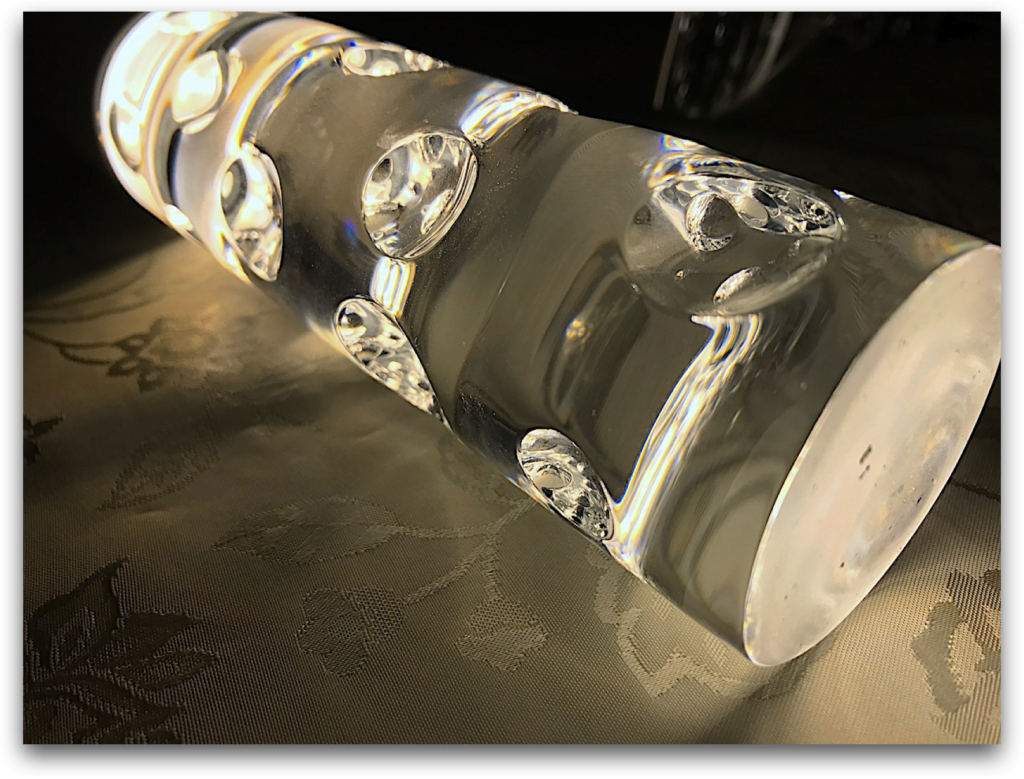
Candles—or “ro-soku,” as they’re called in Japanese—go by many names, but I believe they possess a mysterious power. Of course, their basic function is to provide light, but no matter how small or dim that light may be, it has a profound effect on the heart. With the recent camping boom, lamps and lanterns have apparently become quite popular. In today’s world, where multicolored LEDs are the norm, why do we turn to lamps and campfires? It’s often said that seeing fire awakens our innate, primal instincts. Is that really the case? I’m not sure if a primal switch is hidden in our genes, but when I gaze at the light, I certainly feel as though there’s some kind of power at work. The candle in the photo is meant for use on the table during meals. It’s made of crystal glass, and the light source is an LED. The patterns in the glass mimic the flickering of a flame, creating a variety of effects. It’s designed to cast a soft glow on the table, much like light shimmering on the surface of water. You could say this candle is a collaboration between glass—a material with a long history—and the light produced by LEDs, a modern electronic technology.
098
空路
Air Route
民間航空機の飛行ルートは決まっている、という話は以前から聞いていたが、その空路の真下にいるとは思わなかった。晴れた日、北の空から二本の飛行機雲が上空へと伸びてきた。あっという間にちょうど真上まで伸びてきて、撮ったのがこの写真だ。重なって見えるが高度がそれぞれ違っている。右を飛んでいるのはアトラスエアーの5Y515便アンカレッジ発ソウル行きボーイング747で愛称ジャンボだ。すでに国内では飛んでいない機体。左を飛んでいるのはアメリカンエアーラインのAA127便ダラス発同じくソウル行き。こちらはボーイング787愛称ドリームライナーだ。なぜそんなに正確なことまで分かるのかと思うかも知れないが、今はスマートフォンで、どこの場所にどんな飛行機が飛んでいるのかさえ分かるアプリがある。ボーイング747はこのとき高度4万フィートで隣のボーイング787は3万8千フィート。意外とわずかな高さの差だ。スピードも違っていた。この後左の787が747を追い抜いていった。毎日、こんな光景がどこかの空の上で繰り返している。
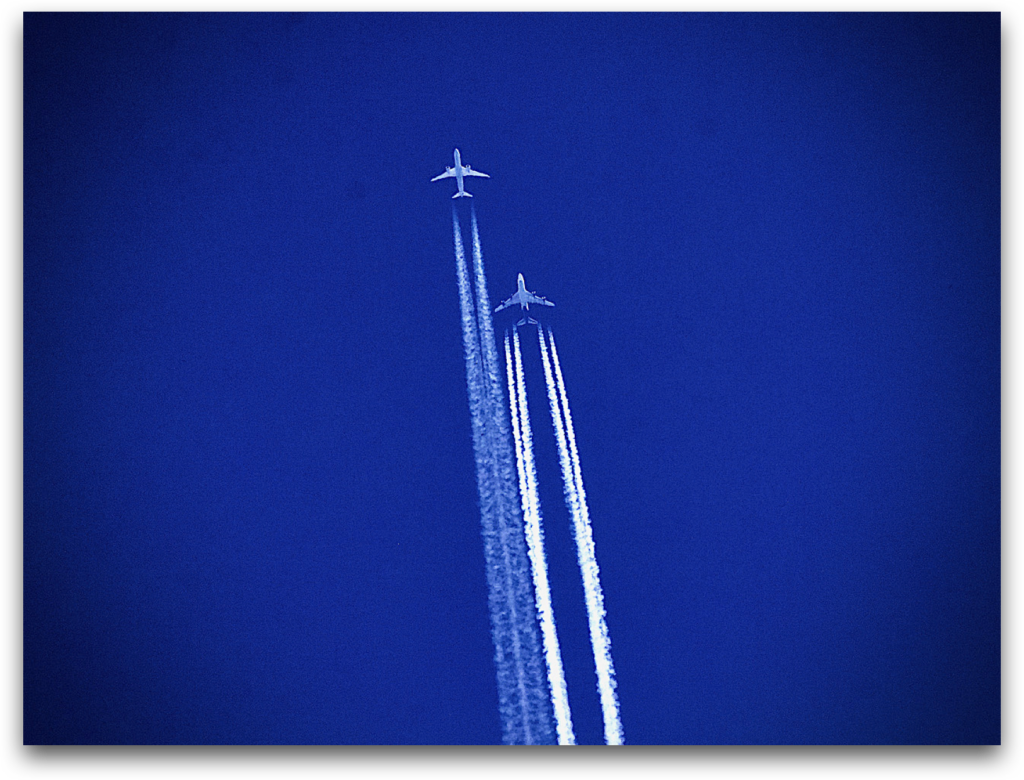
’d heard before that commercial airliners follow fixed flight paths, but I never imagined I’d be right underneath one of those routes. On a clear day, two contrails stretched up into the sky from the northern horizon. In the blink of an eye, they reached directly overhead, and this is the photo I took. They appear to overlap, but they’re actually at different altitudes. The one on the right is Atlas Air Flight 5Y515, a Boeing 747 nicknamed the “Jumbo,” flying from Anchorage to Seoul. This model is no longer in service in Japan. The one on the left is American Airlines Flight AA127, also bound for Seoul from Dallas. This is a Boeing 787, nicknamed the “Dreamliner.” You might wonder how I know such precise details, but nowadays there are smartphone apps that can even tell you exactly which planes are flying where. At that moment, the Boeing 747 was flying at 40,000 feet, while the Boeing 787 next to it was at 38,000 feet—a surprisingly small difference in altitude. Their speeds were different, too. Shortly after, the 787 on the left overtook the 747. Scenes like this play out every day in the skies somewhere.
097
ユースホステル
Youth Hostel
今まで泊まったことがないユースホステルの話だがこのテーマで書けるのだろうか。残念ながら経験がない。だから想像で書かせてもらう。以前、千歳市の広報にこんな記事が出ていた。日本で最初のユースホテル直営第1号の建物が解体されるという内容だった。支笏湖の小学校の跡地を利用した建物で、その後、建築家が協力してリニューアル。それから66年経った2021年の秋、解体が決まった。建物がなくなる前、実際の建物をそれから後日訪ねてみた。写真がその時のもので、豊かな国立公園の緑の中にひっそりとその歴史的な建物はあった。あと数カ月でこの建物の姿は見られなくなる。私は宿泊したことも思い出もないが、若かりし頃、この施設に宿泊し、支笏湖の懐かしい思い出を持っている人たちにとっては、感じることも多くあるかも知れない。そんなことを考えて眺めていた。現在の全国のユースホステルの施設は時代の流れと共に変化して多くは閉館や他の施設に変わっているという。
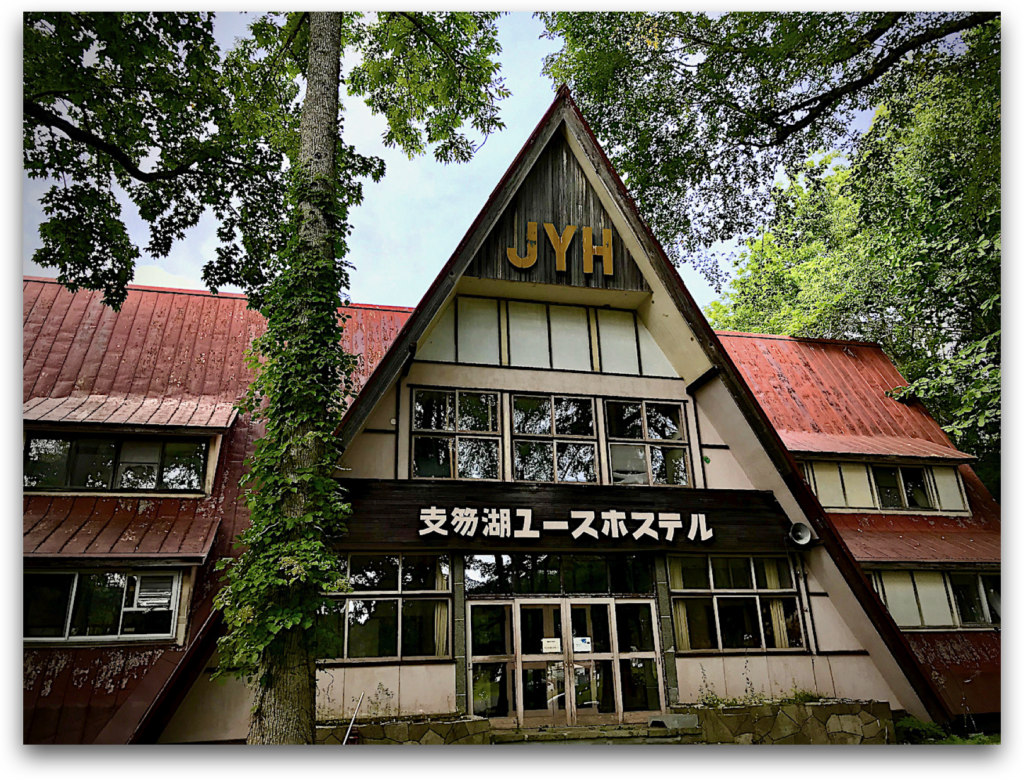
This is about a youth hostel I’ve never actually stayed at—I wonder if I can even write about this topic. Unfortunately, I have no personal experience with it. So I’ll have to write based on my imagination. Some time ago, an article like this appeared in Chitose City’s public relations newsletter. It reported that the building that served as Japan’s very first directly operated youth hostel was set to be demolished. The building was constructed on the site of a former elementary school by Lake Shikotsu and was later renovated with the help of architects. In the fall of 2021—66 years later—it was decided that the building would be demolished. Before it was gone, I visited the actual building the other day. The photo was taken during that visit; the historic building stood quietly amidst the lush greenery of the national park. In just a few months, this building will no longer be visible. Although I’ve never stayed there and have no personal memories of it, for those who stayed at this facility in their youth and cherish fond memories of Lake Shikotsu, there may be many emotions stirred by this sight. I gazed at it while pondering these thoughts. It’s said that youth hostels across the country have changed with the times, and many have closed or been converted into other facilities.
096
パスポート
Passport
若い頃はパスポートというものを持っていなかった。持っていなかったというより、必要なかった。多くの人も同じだろう。そんな時、仕事で海外へ、ということで初めて発行してもらった。もらったと強調したのは、正しく日本政府が発行してくれるものだからだ。このとき初めて日本人になった気がしたものだ。それは1992年頃のことだ。今のパスポートは確か2冊目だと思う。ICチップが埋め込まれて新しい形になった。海外旅行に行っていた頃はページが入国証のハンコでびっしりになったこともあったが、ここ数年は白いページのまま。最近、政府はパスポート取得費用を安くして、少しでも保有率を増やそうとしてはいるが、日本の総人口に占めるパスポート保有率は、2025年末時点で、約17.8%で約6人に1人。前年から少し増えてはいるが、他の国と比較しても低い。必要がないと言えば必要がないが、これから先、フィジカルAIロボットが、より精密になり、まるで人間と区別がつかずになってくると、私はアナログな人間です、という証明するために、携帯することが必要になりかもしれない。冗談ではなく、そんな時代がそこまで来ている気がする。
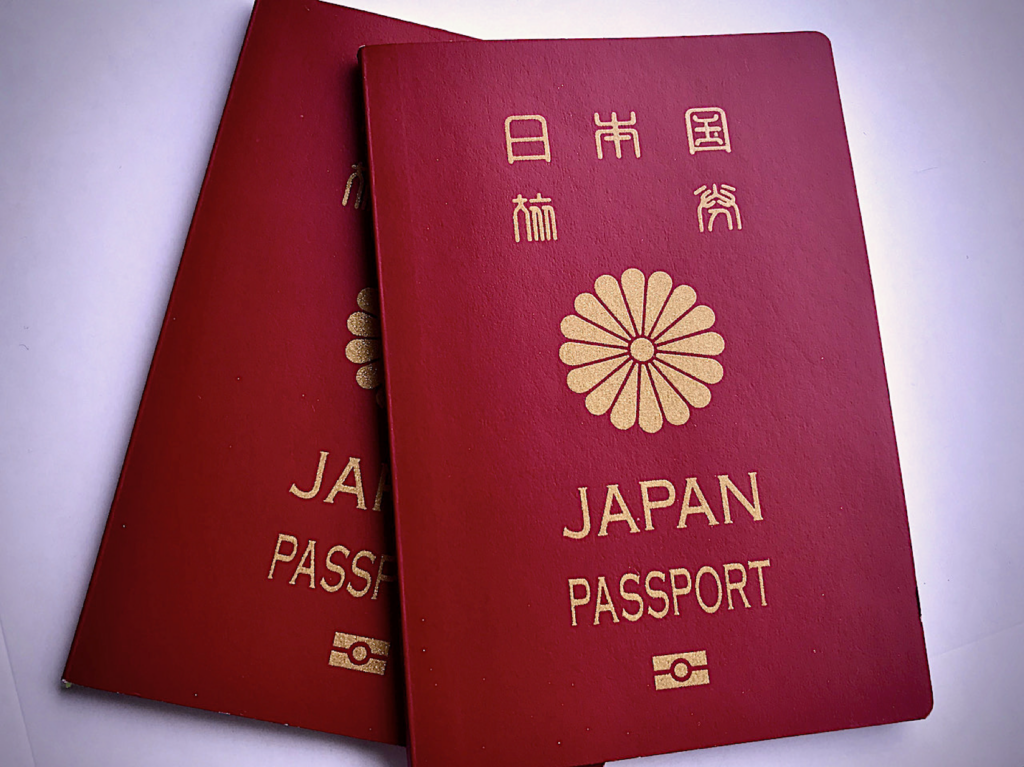
When I was young, I didn’t have a passport. Or rather, I didn’t need one. I imagine many people were in the same boat. It wasn’t until I had to travel abroad for work that I had one issued for the first time. I emphasize “issued” because it is, after all, something officially issued by the Japanese government. That was the first time I truly felt like a Japanese citizen. That was around 1992. I believe my current passport is my second one. It has an embedded IC chip and a new design. Back when I used to travel abroad, there were times when the pages were completely filled with entry stamps, but in recent years, they’ve remained blank. Lately, the government has been trying to lower the cost of obtaining a passport to increase the ownership rate even slightly, but as of the end of 2025, the passport ownership rate as a percentage of Japan’s total population stands at about 17.8%—roughly one in six people. While this is a slight increase from the previous year, it remains low compared to other countries. You could say it’s not necessary, but as physical AI robots become more sophisticated and virtually indistinguishable from humans, we might need to carry a passport to prove that we are, in fact, analog humans. I’m not joking—I feel like that era is just around the corner.
095
エレキギター
Electric Guitar
1960年代後半だったと思う。エレキギターブームという流れがあった。当時10代の人は今でも記憶にあると思う。とにかく新しいものは何であれ、正しいものか、または、いわくつきのものかすぐに区別がつけられる。エレキギターは後者だった。今ではおかしな話だが、その時はそんな風に捉えられていたように記憶する。たかが楽器だったが、アンプで増幅され、エフェクトまでかけられたそのサウンドは、今までにない音を出して驚かせた。若者は飛びついた。でも周囲の目は、まるで若者が武器でも手に入れたような視線で煙たがって目を背ける。今までにないサウンドは、そうやって迎入れられた。さらにエレキギターでバンドを組むなどすると、冷たい視線はさらにエスカレートして、エレキバンド禁止や果ては不良扱いにされ、苦しんだ若者も多かった。今では考えられないかもしれないが、これは当時を知る、その時若者でエレキギターを抱えた経験を持つ人なら理解できることだろう。私もその一人だったが。
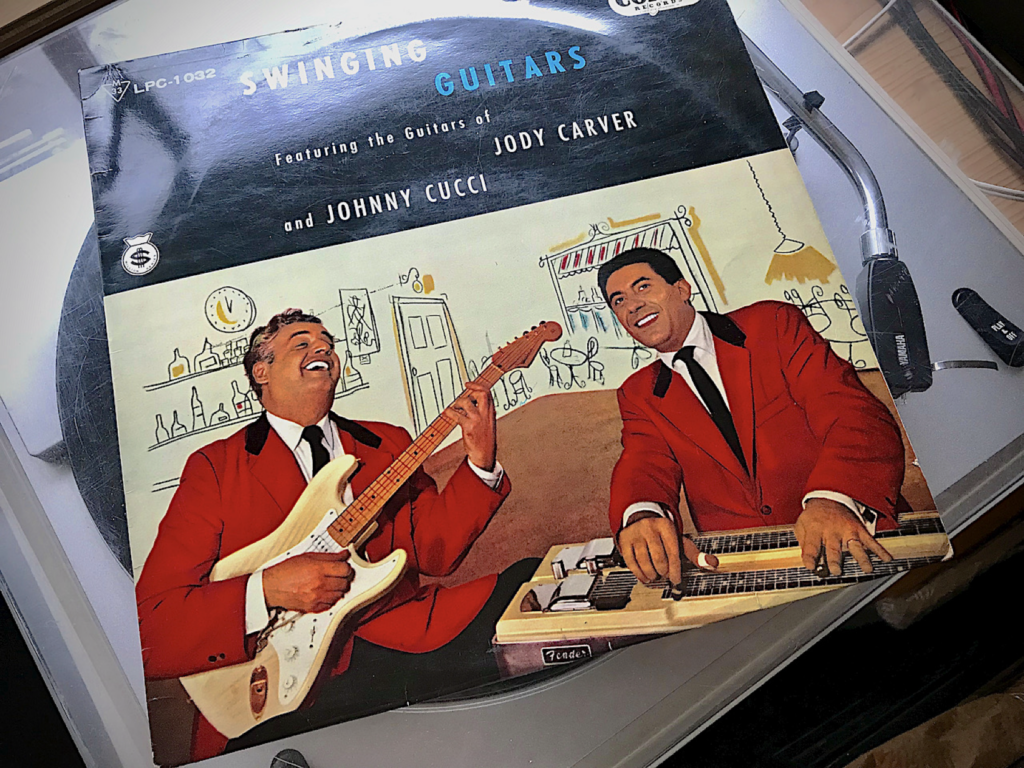
I think it was the late 1960s. There was a boom in electric guitars. I think anyone who was a teenager back then still remembers it. In any case, no matter what the new thing was, you could immediately tell whether it was “the real deal” or something “shady.” The electric guitar fell into the latter category. It sounds strange now, but I remember that’s how it was perceived back then. It was just a musical instrument, but amplified through a speaker and processed with effects, its sound was unlike anything heard before and took people by surprise. Young people jumped at the chance to play it. But those around them looked on with disdain, as if the youths had gotten their hands on weapons, and turned away in annoyance. That’s how this unprecedented sound was received. Furthermore, if you formed a band with an electric guitar, the cold stares would escalate even further; electric bands were banned, and members were even labeled as delinquents, causing many young people to suffer. It might be hard to imagine now, but anyone who lived through that era—especially those who were young at the time and played an electric guitar—will understand. I was one of them.
094
ランディング
landing
ランディングとは飛行機などが着陸することだ。よく空港で見送りなどで、屋上からテイクオフを見ることはあるが、意外と飛行機が降りてくることを見るのはついでの時が多い。しっかりと着陸する様子を見るのは希だろう。なぜ少ないかと考えるとすぐ分かる。空の上から着陸態勢に入ってくる機体を見つけるのが難しいからだ。レーダーを見ている管制官でも双眼鏡で探すくらいだから、豆粒より小さい飛行機を広い空の中に探すのは不可能に近い。何度か自分でも試したが偶然、着陸コースに飛んでくる機体を発見するくらいで、旋回している機体はなかなか見つからないものだ。ヒントは着陸灯を見つけることだ。写真は、夕暮れ時、ランディングに入った機体を私が撮った一枚だが、高度は980フィートしかない。約300メートルの高さから車輪を出して滑走路を目指す緊張の時間。機体には高度が低いので夕日は当たっていないが、バックの積乱雲はまだ日を浴びて白く輝いている。高さの差を感じるランディングの風景だ。飛行機写真は偶然を味方につけることが多い。
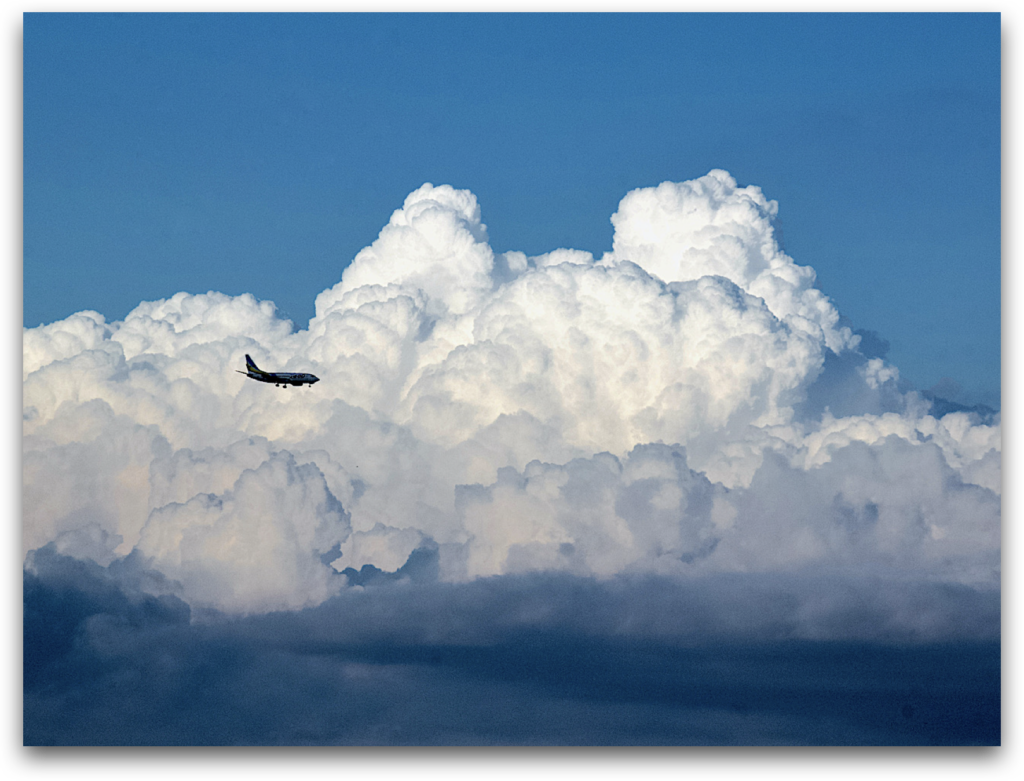
A landing is when an airplane or other aircraft touches down. While it’s common to watch takeoffs from a rooftop when seeing someone off at the airport, it’s actually quite rare to catch a plane coming in to land—it usually happens only by chance. It’s rare to get a clear view of a plane landing. The reason for this becomes immediately clear when you think about it. It’s because it’s difficult to spot an aircraft entering its landing approach from high in the sky. Even air traffic controllers monitoring radar screens have to use binoculars to locate them, so spotting an airplane—smaller than a pea—in the vast expanse of the sky is nearly impossible. I’ve tried it myself a few times, but I’ve only ever managed to spot an aircraft flying along the landing path by chance; it’s quite difficult to spot one as it’s circling. The key is to look for the landing lights. The photo is one I took at dusk of an aircraft beginning its landing approach; it was flying at an altitude of just 980 feet. It’s a tense moment as the plane extends its landing gear from a height of about 300 meters and heads for the runway. Because the aircraft is flying so low, the setting sun isn’t hitting it, but the cumulonimbus clouds in the background are still bathed in sunlight and glowing white. It’s a landing scene that really brings home the difference in altitude. Aviation photography often relies on a stroke of luck.
093
刀剣
Swords
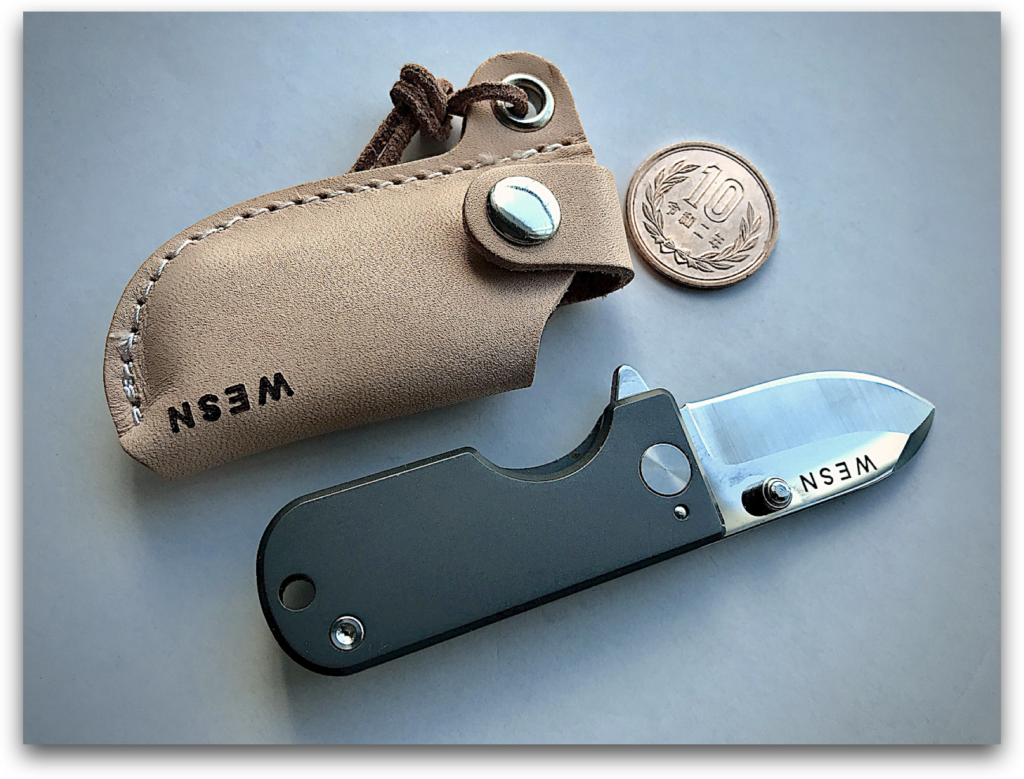
写真のようなポケットナイフには大げさなタイトルだが、頼りになるモノとしては同じだろう。日本刀の刀剣は「依代」とも呼ばれ、古くから宝物としても大切にされてきた。武器ではあるが、日本人はモノ以上のものを刀剣に注ぎ込んで、その美意識と機能性と文化をはぐくんできた。また、別の視点からこれらのモノをみると、身を守るモノ、生きるために必要な最低限の道具とも言えよう。写真のポケットナイフは、究極のポケットナイフと呼ばれるひとつで重さ32g、折り畳むと57mmというポケットの中でも探さなければうっかり見つからないほどの小ささだ。最高品質のグレード5チタン製、刃にはAUS8ステンレスを使い耐食性にも優れている。とかくポケットナイフはアクセサリー的なモノが多い中、本格派だ。デザイナーはデトロイト出身のビリー・チェスターという若者だ。彼の志は高く、クラウドファンディングの力を借り、日常生活でも十分耐えられる理想のポケットナイフを作り上げた。
Sixteen years ago, NTT Docomo released a 3G cell phone called the “BlackBerry Bold 9700.” Few people may remember it. The photo shows the device I still have in my possession; it was developed by the Canadian mobile phone manufacturer Research In Motion (RIM). It was widely used in the United States and throughout Europe. With its historic QWERTY keyboard, this phone’s distinctive appearance makes it instantly recognizable as a unique model. While it was popular among businesspeople in the West, it never really caught on in Japan. This was likely due to the rise of smartphones, as well as fundamental differences in language and keyboard culture. I think the small keys might actually be well-suited to the size of Japanese fingers, but for other reasons, it never gained much popularity. Personally, I feel a certain affinity for this model with its somewhat distinctive look, rather than the expressionless latest smartphones. Perhaps it’s the atmosphere often found in retro devices lined with numerous switches that makes me feel that way. NTT Docomo discontinued its 3G network service as of March 31, 2026. Mobile devices with physical keyboards like this may never be released again.
092
ブラックベリー
BlackBerry
今から16年前、ドコモから「BlackBerryBold 9700」という3G回線の携帯電話が発売された。覚えている人は少ないかも知れない。写真は、私の手元に保管している本体だが、カナダの携帯電話メーカーリサーチ・イン・モーション(RIM)が開発した機種。アメリカを始めヨーロッパでも広く使われていた。歴史あるQWERTYキーボード搭載のこの携帯の風貌は一目で別物の携帯機種と分かる。欧米ではビジネスマンが多く使っていた機種だが、日本ではあまり普及しなかった。スマートフォンの登場や、基本的に言語やキーボード文化の違いもあったのだろう。小さなキーは、日本人の指の大きさに合っているのではと思うが、他の条件などで、あまり人気が出なかった。私は、無表情な最新スマートフォンよりは、なんとなく個性的な風貌のこの機種に親しみを覚える。スイッチがたくさん並ぶレトロな機器によくみられる雰囲気がそう感じるのかもしれない。ドコモは2026年3月31日をもって、3G回線サービス通信サービスを終了した。こうした物理的なキーボードを持つ携帯端末はこれからは出てこないかもしれない。
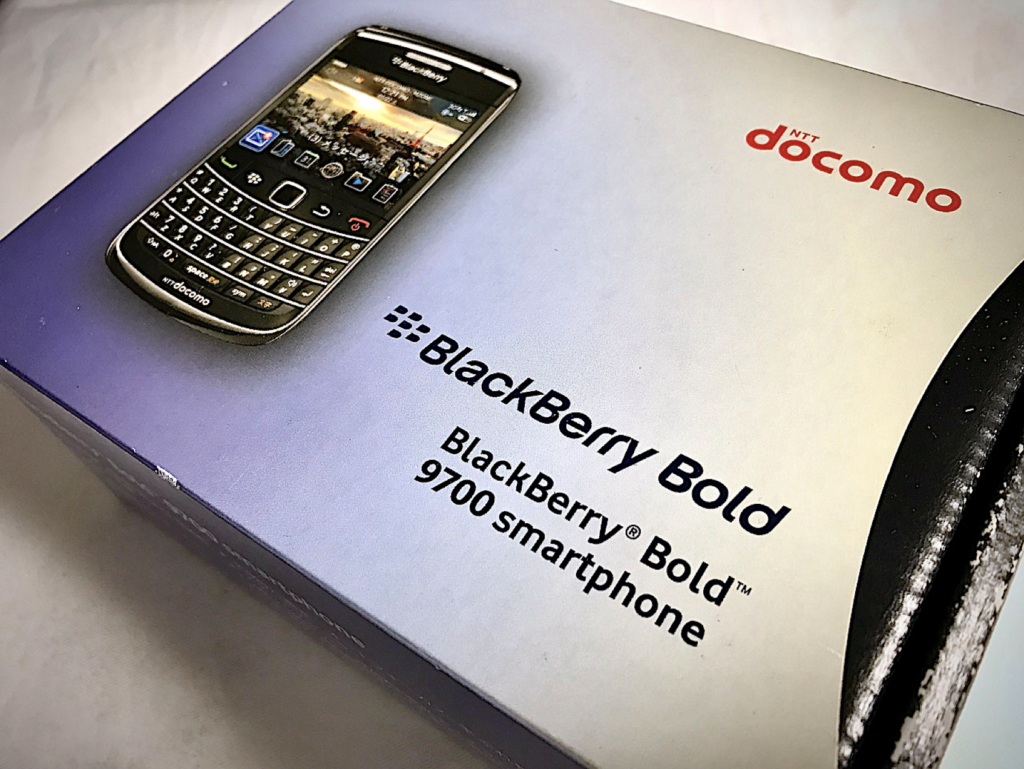
Sixteen years ago, NTT Docomo released a 3G cell phone called the “BlackBerry Bold 9700.” Few people may remember it. The photo shows the device I still have in my possession; it was developed by the Canadian mobile phone manufacturer Research In Motion (RIM). It was widely used in the United States and throughout Europe. With its historic QWERTY keyboard, this phone’s distinctive appearance makes it instantly recognizable as a unique model. While it was popular among businesspeople in the West, it never really caught on in Japan. This was likely due to the rise of smartphones, as well as fundamental differences in language and keyboard culture. I think the small keys might actually be well-suited to the size of Japanese fingers, but for other reasons, it never gained much popularity. Personally, I feel a certain affinity for this model with its somewhat distinctive look, rather than the expressionless latest smartphones. Perhaps it’s the atmosphere often found in retro devices lined with numerous switches that makes me feel that way. NTT Docomo discontinued its 3G network service as of March 31, 2026. Mobile devices with physical keyboards like this may never be released again.
091
Webカメラ
WebCam
リアルタイムカメラ、ライブカメラと呼ばれる、今では誰も特別に思わないカメラだが、インターネットの歴史とは切っても切れない機器の一つだ。ネットワークカメラと呼ばれ、スチールカメラとは別扱いになるのもその理由だ。これは、有名な話だが、いまではほとんどの人が知らないだろう。1991年ケンブリッジ大学の工学部のトロージャンの部屋にコーヒーポットが置かれていた。そのポッドの映像を撮していたのが世界初と言われるライブカメラだ。何をしていたかと言うとポットに入っているコーヒーが飲まれる度に少しずつ減っていく様子や、たまに補充される映像。その様子を常時配信し続けていたのだ。今で言うコーヒーポッド見守りカメラだ。そんなことに意味があるのかは問題ではない。世界で初めてリアルタイム配信の実験でもあった。このカメラは2001年8月まで設置されていたという。約10年間のライブ配信の話だが、今から25年前のことと考えれば、現在はそれからたいして進歩していないのかも知れない。写真は私が所有している初期のWebカメラの一部。
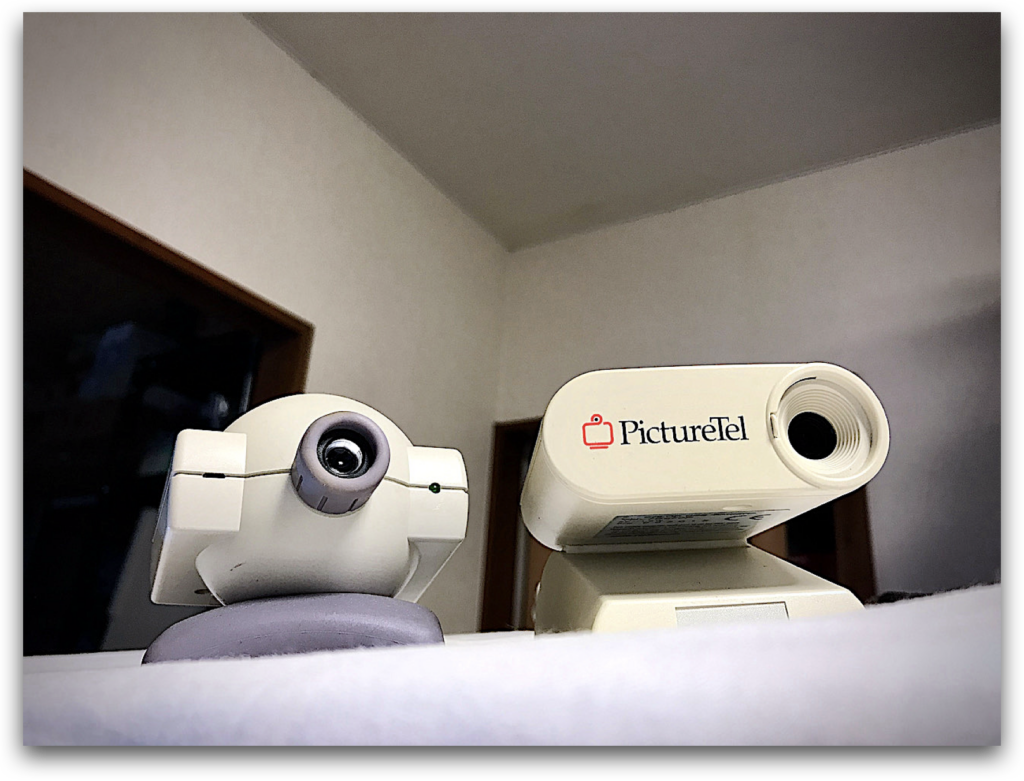
Cameras known as “real-time cameras” or “live cameras”—which no one considers particularly special these days—are one of the devices inextricably linked to the history of the Internet. That is why they are called “network cameras” and are treated differently from still cameras. This is a well-known story, but most people probably don’t know about it anymore. In 1991, there was a coffee pot in the Trojan Room at the University of Cambridge’s Faculty of Engineering. The camera filming that pot is said to be the world’s first live camera. What was it doing? It was capturing footage of the coffee in the pot gradually decreasing each time someone drank some, and occasionally being refilled. It continuously streamed this footage. In today’s terms, it was a “coffee pot monitoring camera.” Whether there was any real significance to this is beside the point. It was also the world’s first experiment in real-time streaming. Reportedly, this camera remained in place until August 2001. While this was a live stream that lasted about 10 years, when you consider that it happened 25 years ago, perhaps we haven’t made much progress since then. The photo shows part of an early webcam that I own.
090
ルーペ
Lupe
多くの人は多分それほど使わない虫めがねの話だ。専門職や観察研究する場所では使われているだろうけど、普段の出番は少ないはず。だから、どこかにしまってあるけど、いざというときにはなかなか見つからないものの一つだろう。写真の右上のルーペーは撮った写真を確認したり、おもに物のチェック等に使われる一般的な物だ。手前の薄いルーペは携帯用で赤いケースに入れて持ち歩くもの。旅行先などで必要になったときに使う。虫めがねで見ると大きく拡大して物を見ることが出来るのは、誰でも知っているが、実際、拡大して見たものの姿は意外と新鮮だったりする。まさに虫の目線だ。こんな形や色が入っているんだ、からはじまりココはこうなっていたんだとか、意外に雑な作りだったりと、発見することも多くある。だからといって虫眼鏡だけで行動するわけにはいかないが。近視眼的と悪口を言われそうだが、小さな物の世界にも別な世界が間違いなくある。
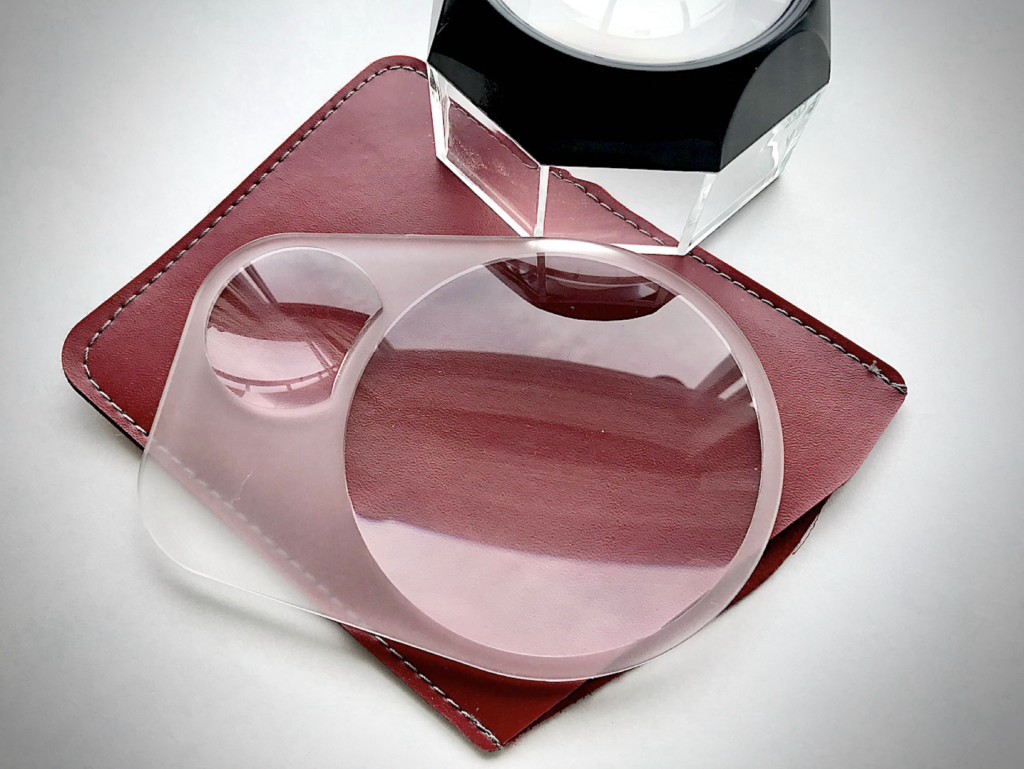
This is about magnifying glasses, which most people probably don’t use very often. While they’re likely used by professionals and in research settings, they rarely come in handy in everyday life. That’s why they’re usually tucked away somewhere—and yet, when you really need one, they’re often hard to find. The magnifying glass in the upper right of the photo is a common type used mainly for checking photos or inspecting objects. The thin magnifying glass in the foreground is a portable one that I carry around in a red case. I use it when I need it while traveling or elsewhere. Everyone knows that a magnifying glass lets you see things greatly enlarged, but actually, the appearance of objects when magnified can be surprisingly fresh. It’s truly a bug’s-eye view. You start by noticing things like, “Oh, it has this shape and color,” and then realize, “Oh, this part is like this,” or “It’s actually surprisingly poorly made”—there are many discoveries to be made. That said, I can’t go about my daily life relying solely on a magnifying glass. People might accuse me of being short-sighted, but there’s undoubtedly a whole other world in the realm of tiny things.
089
尿検査
urinalysis
先日、下腹部にしこりが出来て、泌尿器科を受診した。病院では早速「尿検査」が待っていた。少しの尿で体の中のことがいろいろ分かるらしい。すごい情報量があるそうだ。食べ物や体の中で作られるもの、あるいはいらなくなった老廃物など、まさに今日の体の状態がリアルタイム的に測れるのだろう。数字ばかりが診断の目安ではないだろうけど、医者はパソコンの画面に表示される様々な尿からの数字をチェックしている。最近の情報では、便器に測定センサーが付けられ、リアルタイムで健康状態が分かるという研究が進んでいるそうだが、そうなるとトイレに入るのが怖いやら不安になるやらで、出るものもの出なくなりそうだ。血液と同じに体の重要情報には変わりがないのだが。この先、トイレにもまた第二、第三の大きな革命が起こるのかも知れない。
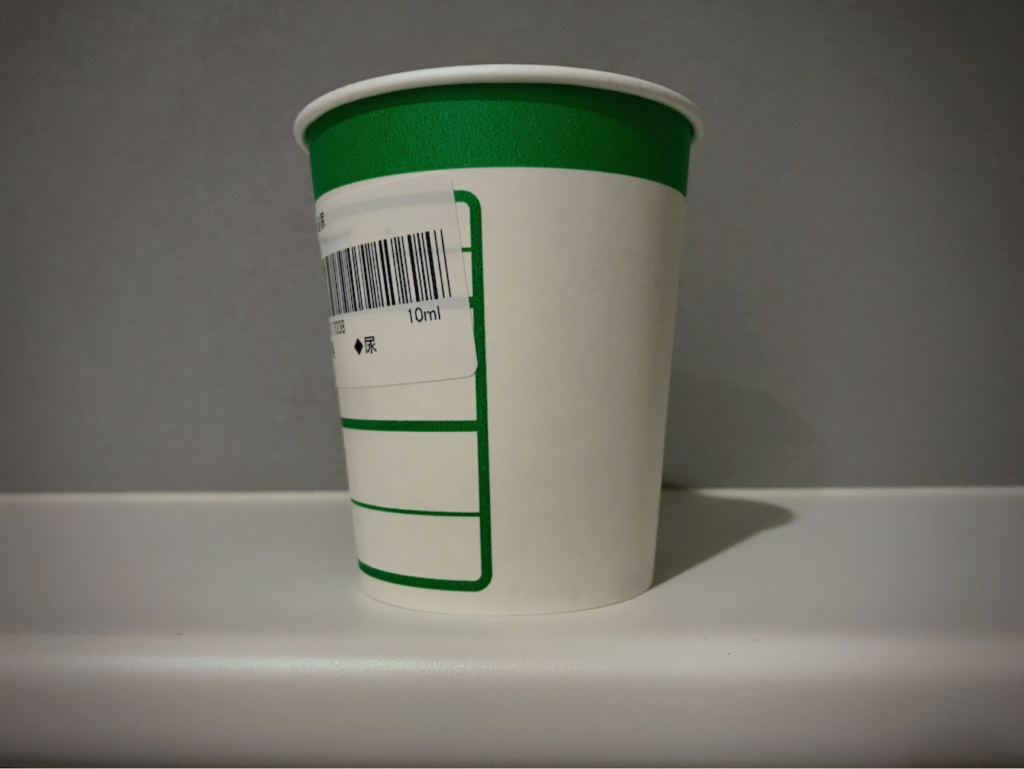
The other day, I noticed a lump in my lower abdomen, so I went to see a urologist. At the hospital, a “urinalysis” was waiting for me right away. Apparently, just a small amount of urine can reveal all sorts of things about what’s going on inside the body. I hear it provides an incredible amount of information. From the food we eat and the substances our bodies produce to waste products we no longer need—it seems we can measure the body’s current condition in real time. While numbers alone probably aren’t the only basis for a diagnosis, the doctor was checking the various figures from my urine displayed on the computer screen. According to recent reports, research is underway to install measurement sensors in toilets that can provide real-time health data. But if that happens, I’d be so scared and anxious about going to the bathroom that I might not even be able to go. Of course, just like blood, this information remains a vital indicator of the body’s condition. Perhaps in the future, we’ll see a second or even a third major revolution in the world of toilets.
088
ステープラー
Stapler
文具のブームが起こってからしばらく時が経つが、身近なものへの関心は依然続いているようにみえる。特にデジタル機器が増える中、その片隅でひっそりと生き残っているアナログ文具は、逆にそのアナログ的な存在感が増しているのかも知れない。残されたアナログ文具の一つ一つに、今度はこだわりの芽が移ったのだろうか。万年筆も人気と聞く。ザックリとした紙にインクの臭いがして、デジタル文具にはない魅了があるのだろう。写真はステープラーだ。ホチキスというブランド名でも呼ばれる古くから使われてきたシンプルなアナログ事務機器。電子メールの世界には登場しないものの一つだが、いざ紙の出番と言うときには欠かせない文具だろう。こだわりはステープラーにも色々あるだろうけど、意外な特徴としてはこの写真のステープラーはフラットクリンチ型と呼ばれるもので、綴じたときの針の形が平らになる。よくあるステープラーは針が山形になり、たくさん重ねると閉じた部分だけが膨れ上がる。針が平らだと綴じた紙を積み上げたとき厚くならないメリットがある。些細なことだが大切な小技と言えよう。アナログ文具にはこうした一見分からないが気の利いた機能が隠されているものだ。
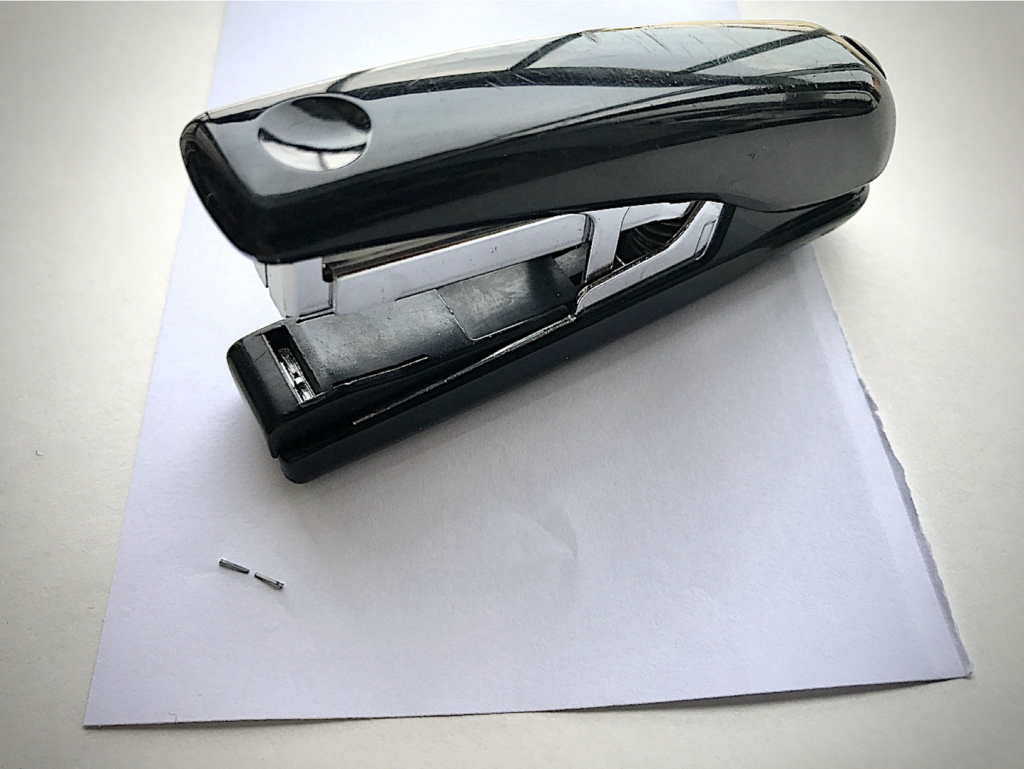
It’s been a while since the stationery boom began, but interest in everyday items seems to be holding strong. Especially as digital devices become more prevalent, analog stationery—quietly surviving in the shadows—may actually be gaining a stronger sense of presence. Could it be that a newfound appreciation for quality has now taken root in each of these remaining analog stationery items? I hear fountain pens are popular, too. The scent of ink on rough paper must hold a charm that digital stationery simply cannot match. The photo shows a stapler—a simple, analog office tool that has been in use for a long time, also known by the brand name “Hochikisu.” It’s one of those items that has no place in the world of email, but it’s an indispensable piece of stationery when paper is called upon. While there are likely many ways to be particular about staplers, one unexpected feature of the stapler in this photo is that it’s what’s called a “flat-clinch” type, meaning the staples lie flat when the papers are bound. With ordinary staplers, the staples form a V-shape, and when many sheets are stacked, only the stapled section bulges out. The advantage of flat staples is that the stack of stapled papers doesn’t become bulky. It may seem like a minor detail, but it’s an important little trick. Analog stationery often hides thoughtful features like this—ones that aren’t immediately obvious.
087
数字
Numbers
私たちは一日の内で何度「数字」を目にするのだろうか。もちろん数えた人はいないと思うが、かなりの回数があることだけは分かる。たとえばこのコラムにも数字は書いてある。お金も数字の代表だが、意外と表示されている数ではなく、形や色などで使うことが多いだろう。数字は概念であることは分かっている。自分にとって意味がある数字と意味がない数字もある。単なる目印の数字もあるだろう。写真の数字は部屋番号だ。だから足したり引いたりする数ではないが、目印としては大切だ。まったく同じ数字があることも自分たちは知っている。しかし、同じ数字でも意味は全然違う場合も多い。多いというか同じ数字に出合うことはそれほど多くないのかも知れない。前を走る車のナンバーが自分の知っている意味のある数字と同じだったら、何となく不思議な感覚になることも。偶然だと知っていても何となくそこに別な「意味」を想像してしまう。その数字には関係ないのに…。
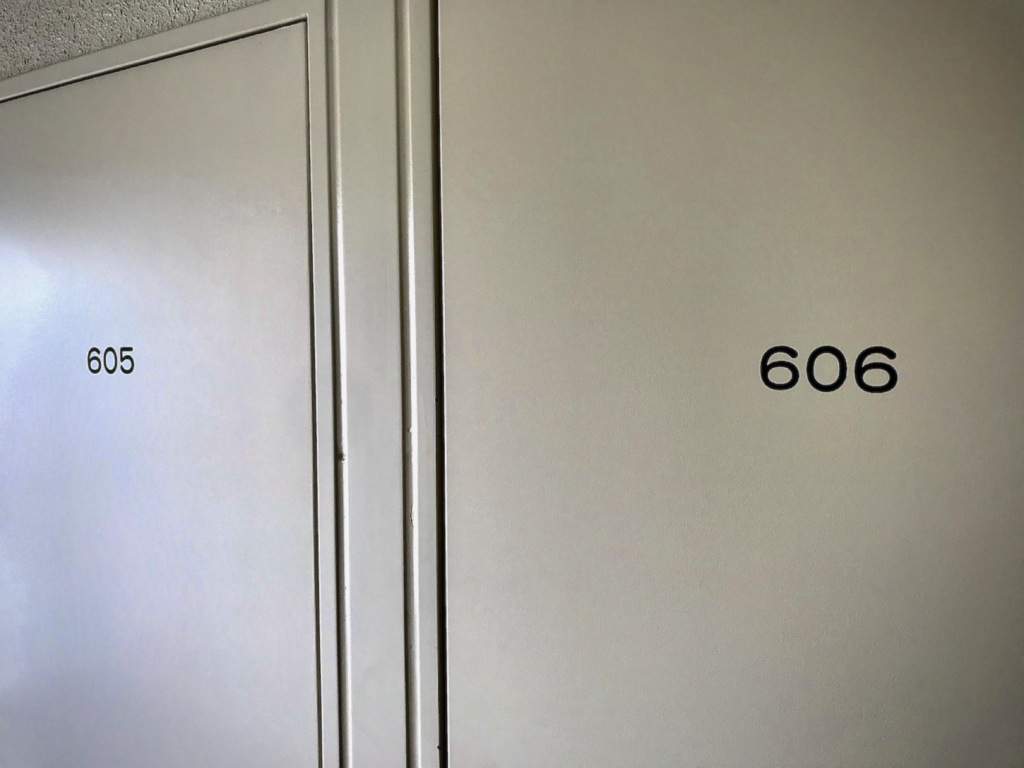
How many times a day do we actually see “numbers”? Of course, I don’t think anyone has actually counted them, but we know for sure that it happens quite often. For example, there are numbers written in this column as well. Money is a prime example of numbers, but surprisingly, we often use it based on its shape or color rather than the actual figures displayed. We know that numbers are concepts. Some numbers hold meaning for us, while others do not. There are also numbers that serve merely as markers. The numbers in the photo are room numbers. So, while they aren’t numbers you’d add or subtract, they’re important as markers. We also know that there are numbers that are exactly the same. However, even when the numbers are the same, their meanings are often completely different. Or rather, perhaps we don’t actually encounter the same numbers that often. If the license plate number of the car in front of you happens to match a number that holds special meaning for you, it can give you a somewhat strange feeling. Even though you know it’s just a coincidence, you can’t help but imagine some other “meaning” behind it—even though that number has nothing to do with it…
086
柵を食う白樺
A birch tree eating the fence
タイトルは怪談めいてはいるが、事実だ。たまに通る道沿いにある金属製のフェンスをしっかりと抱え込み、まるで樹木の中心に飲み込んでしまった姿の白樺の木がある。写真がその姿だ。もちろん、急にこの姿になったわけではなく、長い木の成長とともに飲み込んでいったのだろうけど、何とも不思議な光景だ。その姿は、色んなストーリーを想像させる。例えばこの柵が大好きで、柵を支える一部になりたかったのだとか、逆に自分の伸びようとしていた場所に人が設置した柵が面白くなくて、迂回して成長することをやめ、まさに食ってやろうとその柵を飲み込む姿で成長した…なんていくつかの物語でも出来そうだ。ただ、何となく悲しい雰囲気も少しあるのも事実だ。この先、柵が取り壊されるときこの木はいったどうなるのかなど、想像は尽きないが、ともかく個性的な成長を遂げている白樺であることは間違いない。
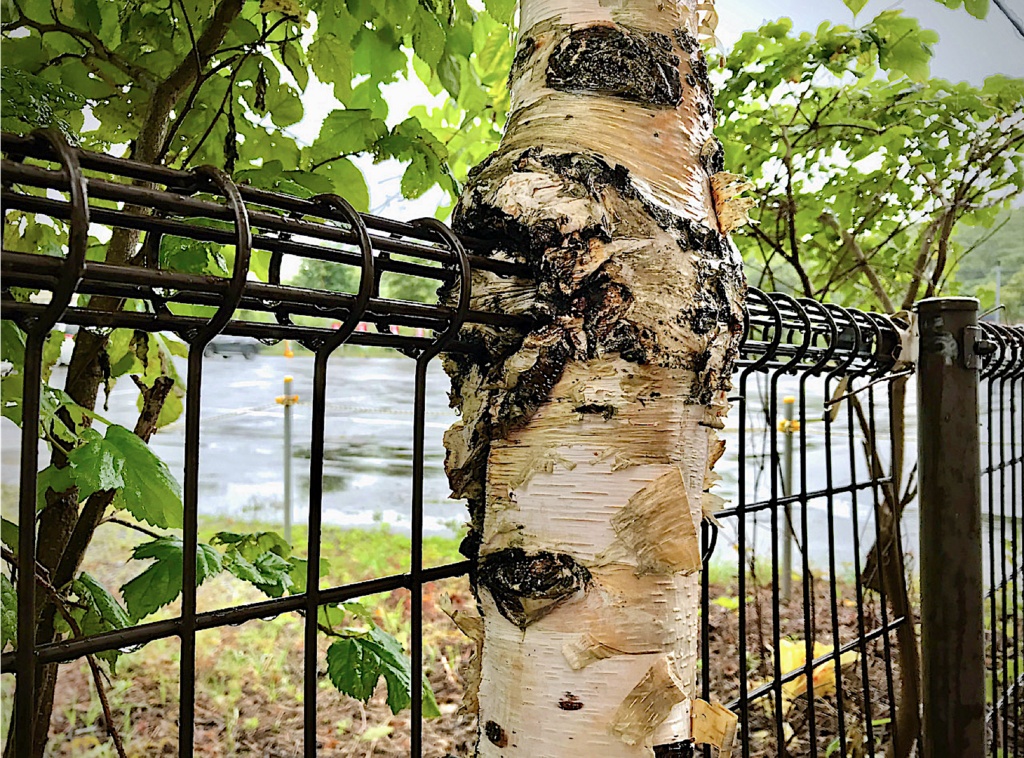
The title may sound like a ghost story, but it’s true. Along a road I occasionally travel, there’s a birch tree that has firmly wrapped itself around a metal fence, as if it had swallowed the fence right into its very core. The photo shows exactly that. Of course, it didn’t suddenly end up like this—it likely gradually enveloped the fence as the tree grew over time—but it’s a truly mysterious sight. Its appearance sparks all sorts of stories. For example, perhaps the tree loved this fence so much that it wanted to become part of what supports it; or, conversely, maybe it didn’t like the fence that people had put up right where it was trying to grow, so it stopped growing in that direction, took a detour, and grew in a way that seemed to say, “I’ll just swallow this fence whole!”… There are certainly several stories one could come up with. However, it’s also true that there’s a slightly sad atmosphere about it. I can’t help but wonder what will become of this tree when the fence is eventually torn down—my imagination runs wild—but there’s no doubt that this is a birch tree that has grown in a truly unique way.
085
ハワイ産焼酎
Hawaiian Shochu
味には、生まれたその土地や風土や自然の味がすると、昔聞いたことがある。であれば、このハワイで作られた焼酎はハワイの自然の味がするはずである。果たして…。まだ飲んではいない。しかしそもそもハワイの風土や自然に触れていなければ、比べるすべもないだろうけど。採れた鮭を海からの冷たい風で干した寒風干し鮭は、きっと潮風や海の香りを運んでくれるのかも知れない。たとえ、そうではなくとも、食べるときには情景が浮かんだ方がきっとウマく感じることができるというものだ。写真の浪花のオーナーは九州で修行し、ハワイに渡って現地の芋で苦労して作ったという。ノースショアにあるこの酒蔵はその名の通りビッグウェーブで有名なサーフスポットだ。波頭が飛び散り、まるで花が咲いたようにも見える11月のオアフ島。何度か行った場所だが、あの豪快な波の姿がこの焼酎にはきっと似合うのだろう。何度も言うがまだ飲んではいないけど…。
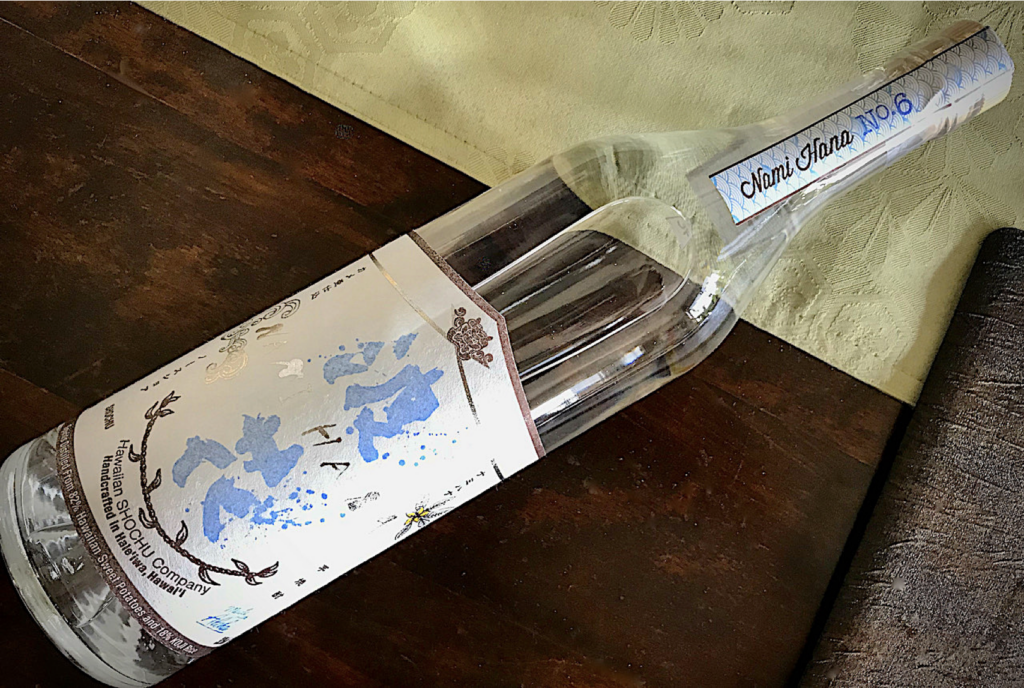
I once heard that food carries the taste of the land where it was born, its climate, and its natural surroundings. If that’s the case, this shochu made in Hawaii should have the taste of Hawaii’s nature. I wonder… I haven’t tried it yet. But then again, if I haven’t actually experienced Hawaii’s climate and nature firsthand, I probably wouldn’t have anything to compare it to anyway. Salmon dried in the cold sea breeze—known as “kanpū-boshi” salmon—might just carry the scent of the sea breeze and the ocean with it. Even if that isn’t the case, imagining that scene while eating it will surely make it taste even better. The owner of Naniwa, pictured here, trained in Kyushu and then moved to Hawaii, where he reportedly went through a lot of trouble to make this using local sweet potatoes. As the name suggests, this distillery on the North Shore is a surf spot famous for its big waves. In November on Oahu, the crashing waves look just like blooming flowers. I’ve been there a few times, and I’m sure the sight of those powerful waves would be a perfect match for this shochu. As I’ve said many times, I haven’t actually tried it yet, though…
084
アンプ
amplifier
世の中にアンプと呼べるものがどれくらいあるだろうか。アンプリファイアー、つまり増幅器だ。電源回路だったり音声回路だったりとにかく信号をさらに増幅させる装置の総称だが、観念的な使い方として、大げさに誇張した情報や、ほら話も含まれるかもしれないが、一般的には信号回路上のことだろう。レコード針の振動からひろった小さな音源の信号を、大きなスピーカーの振動板を動かすとき、やはりアンプがなくてはならない。拡声器もそうだ。選挙などが近づくと久しぶりに拡声器からの声を聞く。実はイヤホンや身近な電話機などにもたくさん使われている。写真のアンプはヘッドホン用のアンプで何台ものヘッドホンを使うときに使われる。本当は1台でいいのだが、何となく機械の佇まいが落ち着くので置いてある。何も増幅はしない代わりに落ち着いた空間のイメージを増幅しているのかも知れない。少し変わった使い方だが…。
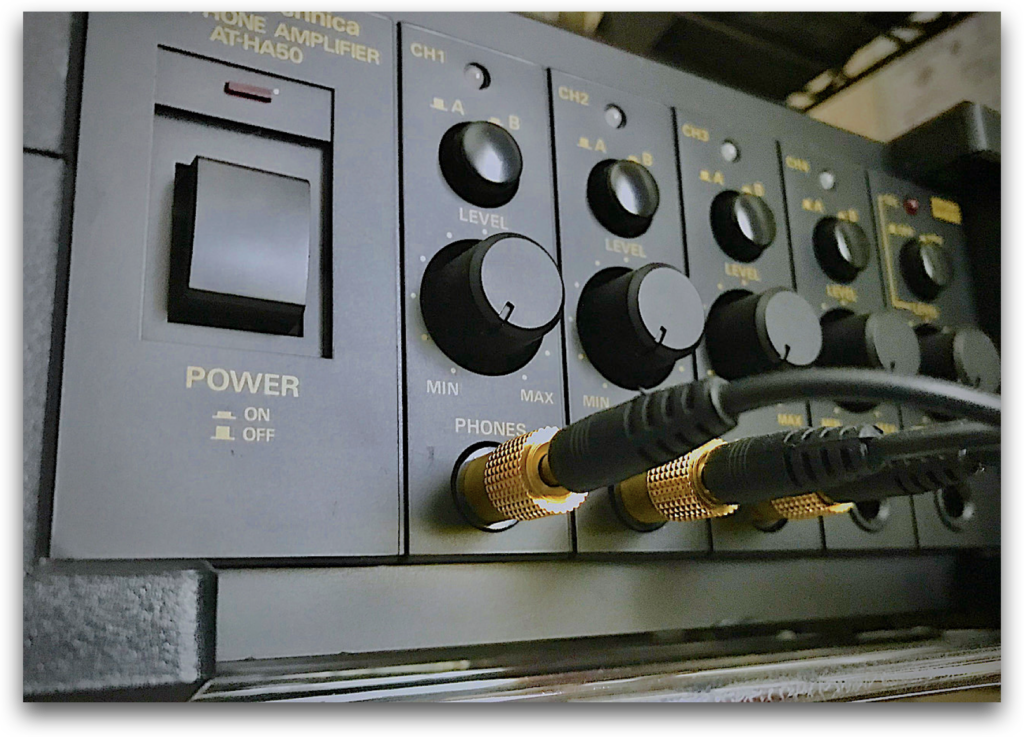
wonder how many devices out there can truly be called “amps.” An “amplifier,” that is. It’s a general term for devices that amplify signals—whether they’re power circuits or audio circuits—but in a figurative sense, it might also include exaggerated information or tall tales, though generally it refers to signal circuits. When converting the faint signal picked up from the vibrations of a record needle into sound powerful enough to move the diaphragm of a large speaker, an amplifier is absolutely essential. The same goes for megaphones. As elections and the like approach, I hear voices coming from megaphones for the first time in a while. In fact, amplifiers are used extensively in earphones and everyday telephones as well. The amplifier in the photo is a headphone amplifier used when connecting multiple pairs of headphones. Technically, one unit would suffice, but I keep it there because the machine’s presence somehow brings a sense of calm. Perhaps, rather than actually amplifying anything, it amplifies the image of a serene space. It’s a slightly unusual use, though…
083
カーナビ
Car Navigation System
以前、クルマを運転するということは、道を憶えなくてはならないことと同じだった。どちらかと言うと道路を憶えることの方が難しかった。運転は、一度覚えたら応用で済むが、道はそういうわけにはいかない。同じ道だけで済まないのだ。たとえ同じ目的地でも走るルートは様々。混み合っているときなど、違うルートをいくつか知っているドライバーの方が目的地に確実に着ける。よくタクシーのドライバーはスゴイと思ったものだ。しかし今は全く状況が変わってしまった。音声入力で行き先や寄りたいポイントを入力すれば、勝手にルートを案内してくれる。渋滞も時間差でちゃんと教えてくれたりもする。次に来る大きな変化は、間違いなく自動運転車だろう。でも、自分で走る楽しみだけは、なくなってほしくないが。最近は道路情報が常に更新されるiPhoneなどでナビゲートするクルマも多い。写真のカーナビは、旅行用として数年前から使っている。内蔵のマイクロSDカードには北米大陸のデータが入っているのでアメリカでのレンタカー旅には欠かせない。現地のクルマにも最近は装備されているが、これは日本語が使えて便利だ。こいつとの旅の思い出は多くの写真に今も残る。
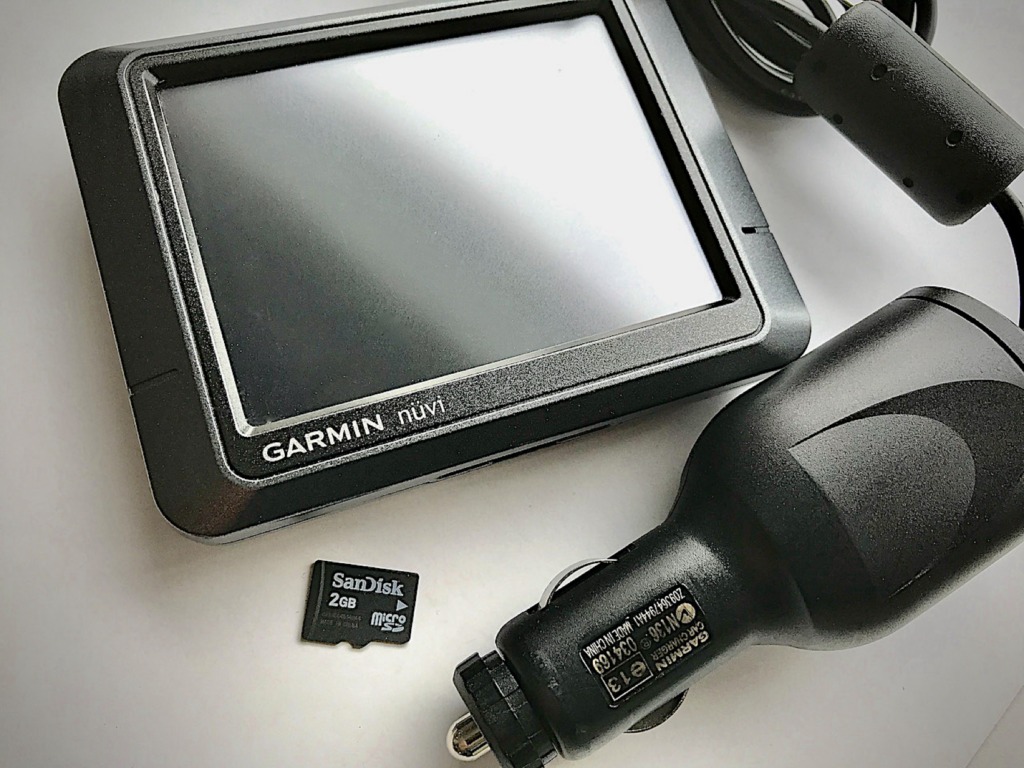
In the past, driving a car meant you had to memorize the roads. If anything, memorizing the roads was the harder part. Once you learn how to drive, you can apply that knowledge to different situations, but that’s not the case with roads. You can’t just stick to the same route. Even if you’re heading to the same destination, there are countless possible routes. When traffic is heavy, for example, drivers who know several alternative routes are more likely to reach their destination reliably. I used to think taxi drivers were amazing. But now, the situation has completely changed. You simply use voice commands to enter your destination or points of interest, and the system automatically guides you along the best route. It even provides real-time traffic updates. The next major change will undoubtedly be self-driving cars. Still, I hope the joy of driving yourself never goes away. These days, many cars use navigation systems like iPhones, which constantly update road information. The car navigation system in the photo is one I’ve been using for travel for several years now. It has data for the North American continent stored on its built-in microSD card, so it’s indispensable for my road trips in the U.S. While local cars are now equipped with similar systems, this one is convenient because it supports Japanese. Memories of my travels with this device are still preserved in many photos.
082
iPod mini
Pod mini
20代の人は、iPodの名前を知っているだろうか。テープに変わる音源としてハードディスクが採用され、数千曲をポケットの中に持ち運べるという、音楽の聴き方を根本から変えた発明だった。生の音楽からレコードへと変わったように、同じくらいの衝撃があったが、時代が流れ、今はオンラインが音源の位置づけに変わっている。しかし音源そのものを持ち運ぶとなると、オンラインはやはり難しくなってくると思う。分かりやすく言うと単体での自己再生能力があるのかということだ。そもそも楽器自体は音を出すものとして存在しているが、音楽となると、音が出ればいいだけではなくそれが音楽として成立することが必要になる。人の体も楽器なら声の出し方が、音楽を作るように。なんだか小難しい話になったが、要は音楽をもっと簡単に聞ける環境という話だ。24年前、無人惑星探査機ボイジャーが地球の音源として金色のレコード盤に様々の言語や曲を記録して、未知の生命体へのメッセージとして打ち上げた。今その音源は太陽系を離れ、何十億年の旅をしている。
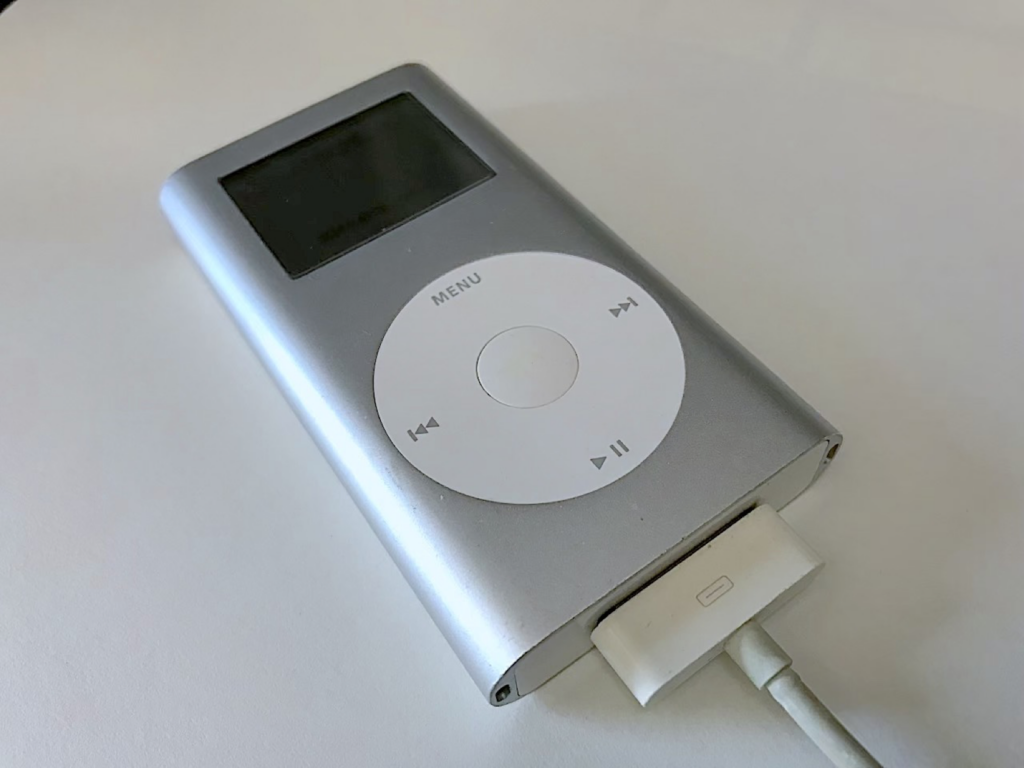
Do people in their 20s even know what an iPod is? It was an invention that fundamentally changed the way we listen to music—by replacing cassette tapes with hard drives, allowing us to carry thousands of songs in our pockets. It had an impact comparable to the shift from live music to records, but as time has passed, online platforms have now taken the place of physical media. However, when it comes to carrying the music itself, I think online options still fall short. To put it simply, the question is whether it has the ability to play itself independently. Musical instruments, after all, exist to produce sound, but when it comes to music, it’s not enough for sound to simply be produced—it must also function as music. If the human body were an instrument, the way we produce sound would be akin to creating music. This might sound a bit complicated, but the point is simply to create an environment where music can be enjoyed more easily. Twenty-four years ago, the unmanned planetary probe Voyager launched a golden record containing various languages and songs as a message to unknown life forms, representing Earth’s musical heritage. Today, that recording has left the solar system and is on a journey spanning billions of years.
081
クリップ
clip
バッグ・クロージャーというクリップをご存知だろうか。名前は知らないが、見ると誰もが一度は見たものだ。パンの袋を閉じている小さなプラスチックの留め具のこと。アメリカで特許をとっている。でも一番有名なクリップと言えば、ゼムクリップだろう。一本の針金をクルッと曲げただけの構造で1890年頃の発明だそうだが、意外に特許はないそうだ。その後色々なものが開発されたが、結局はゼムクリップが一番シンプルで使いやすいということだろう。ただそうは言っても他にも色々なクリップも考えられている。写真のものは、私が使っているもので、丸い渦巻き型だ。やはりこれもゼムクリップには負けるが、何となくおしゃれなクリップの一つだろう。クリップの歴史はけっこう古そうだ。最近は、クリップやステプラーなどの金属を使わず、直接紙と紙を閉じる方法もエコばやりで登場している。どのクリップもあくまでも脇役としてあるが、チョットした箸休め的に添えるのも楽しいものだ。映画のサバイバルシーンなどでは、最後に鍵穴を開ける小さくて重要な脇役としても登場するが…。
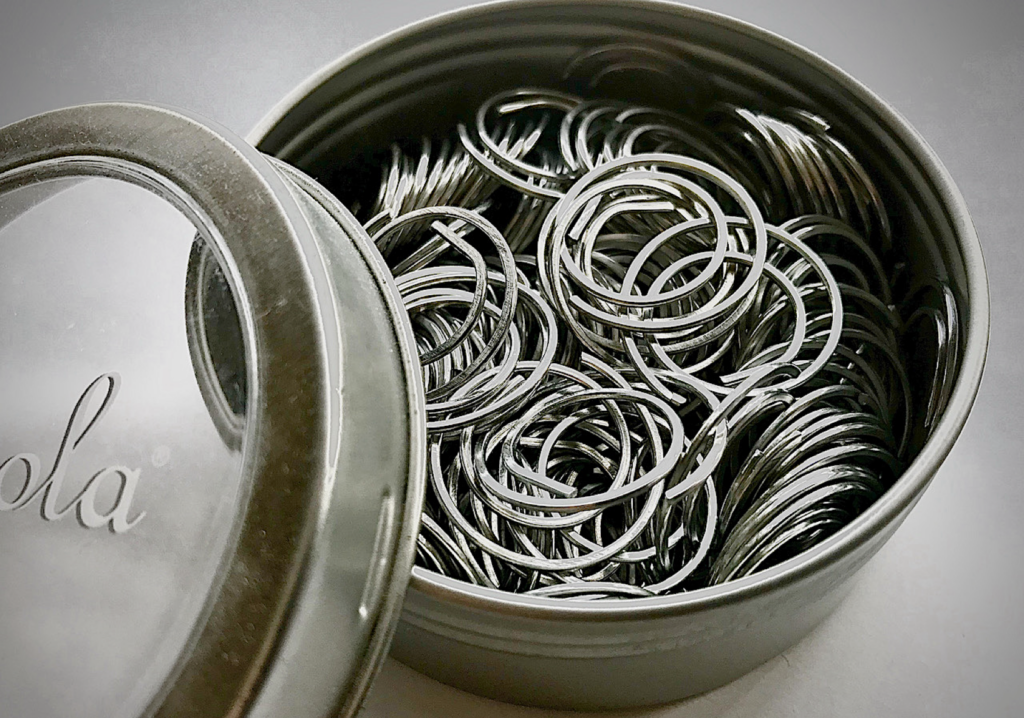
Have you ever heard of a “bag closure” clip? You may not know the name, but everyone has seen one at least once. It’s that small plastic fastener used to seal bread bags. It’s patented in the United States. But when it comes to the most famous clip, it’s got to be the paper clip. It’s said to have been invented around 1890 with a design that’s simply a single piece of wire bent into a loop, yet surprisingly, it’s not patented. Various other types have been developed since then, but in the end, the paper clip is probably the simplest and easiest to use. That said, many other types of clips have also been devised. The one in the photo is the one I use—it’s a round, spiral shape. While it still can’t quite measure up to the paper clip, it’s one of those clips that feels a bit stylish. The history of clips seems to go back quite a long way. Recently, with the rise of the eco-friendly trend, methods for binding sheets of paper together directly—without using metal clips or staplers—have emerged. While all clips are, after all, merely supporting characters, it’s fun to include them as a little interlude. In movie survival scenes, for example, they even appear as small but crucial supporting characters that open a keyhole at the very end…
080
封印
Seal
今やアナログとさえも呼ばれない手紙の話だ。メールなどとカタカナで呼ばないでもらいたい。紙の手紙は個人の間ではかなり減ってきているのだろう。SNSや携帯メールで、特別な用途でもなければ使われなくなっている。それ故、特別な時を演出するのには良いかもしれない。封書などには必ず封印がされる。よく「緘(かん)」という文字で封書が封印されているのを見たことがあるが、文字どおりしっかり私が閉じましたよ、誰にも開けられていませんという証に押されている印だ。〆とかと書くのでもかまわないのだが、アナログだけにそこはこだわりたいものだ。私は「雙魚」という封緘印を使っている。中国の古い詩からの言葉だ。ある種の遊び的クイズの意味を込めて印を押している。何だろう…と受け取った人が気がついてくれたらうれしいが。他にもきれいな文字や絵柄もあって、つい手紙を送ってみたくなる魅力がある。
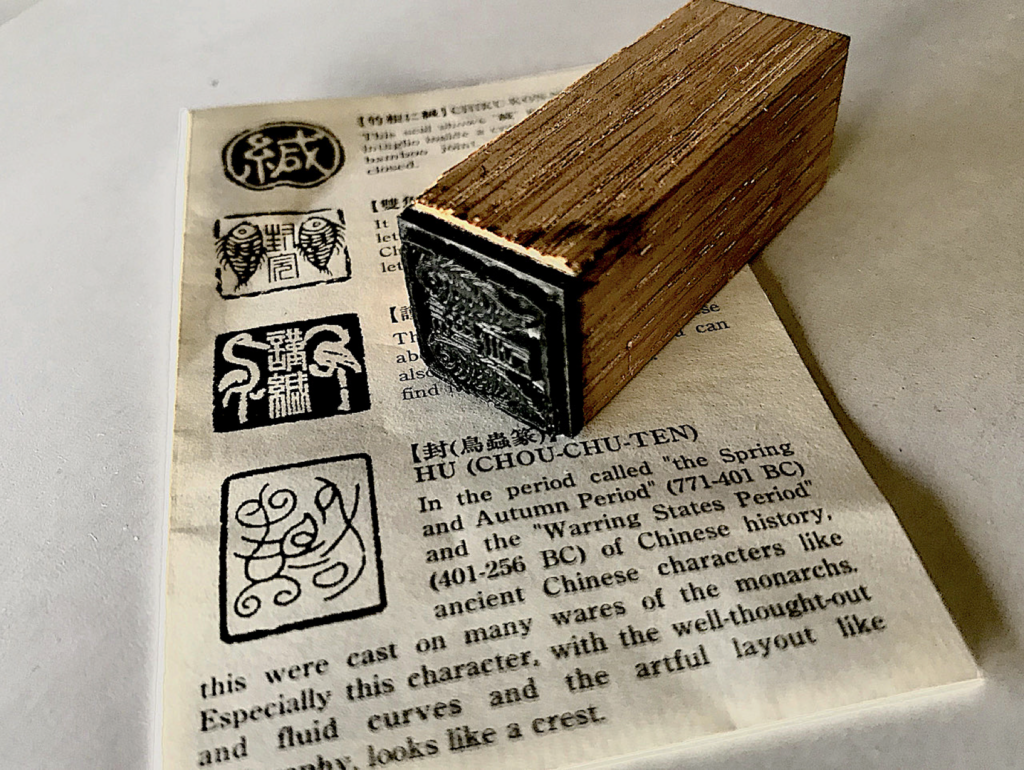
This is about letters—the kind that aren’t even called “analog” anymore. I’d prefer it if people didn’t refer to them using terms like “email” in katakana. The number of paper letters exchanged between individuals has likely declined significantly. Unless it’s for a special purpose, people rarely use them anymore—preferring social media or mobile messaging instead. That’s precisely why they might be a great way to create a sense of occasion. Sealed envelopes always have a seal. I’ve often seen the character “緘” (kan) stamped on them; as the character suggests, it’s a mark that says, “I’ve sealed this securely myself—no one else has opened it.” It’s fine to write “〆” or something similar, but since this is an “analog” practice, I like to be particular about that detail. I use a seal stamp that reads “雙魚.” It’s a phrase from an ancient Chinese poem. I stamp it with a sense of playful mystery. I’d be happy if the recipient noticed it and wondered, “What could this mean…?” There are other beautiful characters and designs as well, and they have a charm that makes you want to send a letter just for the sake of it.
079
ベルト
belt
よく考えてみると、おかしな題目だ。いったいベルトで何が書けるのか、私にも分からないが、とりあえずベルトで書いてみることにする。男のベルトはそれほど種類は多くはないだろう。だろうというのはあくまでも基本としての機能、つまりズボンなどをしっかり固定して動きやすさと機能性を追求し、かつファッション製のあるベルトが基本だと思う。私の使っているベルトは10本くらいだろうか。一般の男のベルトとしては多いのかも知れない。実はベルトの種類は数多くある。ドレスベルト、スタッズベルト、二つ穴ベルト(ダブルピンベルト、ギャリソンベルト)、ウェスタンベルト、メッシュベルト、カービングベルト、ゴムベルト、リングベルト(サーシング・ベルト)、リボンベルト、サッシュベルト、タイベルト、チェーンベルト、ハイウェストベルト、サム・ブラウン・ベルト。いかがだろうか、別に字数を稼ぐためではない。すべて説明できるだろうか。これ以外にも軍用や工事現場など専門的に使われるベルトはさらに多彩だ。参った。
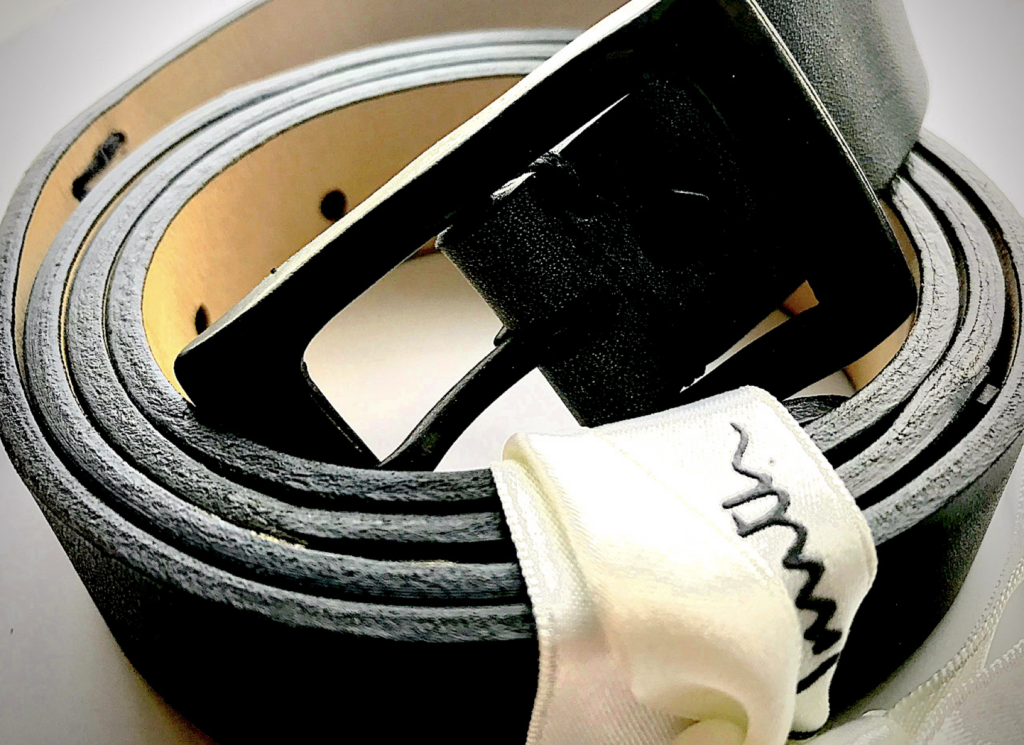
Come to think of it, this is a strange topic. I’m not even sure what I can write about belts, but I’ll give it a try anyway. There probably aren’t that many different types of men’s belts. When I say “probably,” I’m referring strictly to their basic function—that is, belts designed to securely hold up pants while prioritizing ease of movement and functionality, and which also have a certain fashion appeal. I think I own about 10 belts. That might be a lot for the average man. Actually, there are many different types of belts. Dress belts, studded belts, two-hole belts (double-pin belts, garrison belts), Western belts, mesh belts, carving belts, elastic belts, ring belts (sashing belts), ribbon belts, sash belts, tie belts, chain belts, high-waist belts, and Sam Brown belts. What do you think? I’m not just listing these to pad out the word count. Can I even explain them all? Beyond these, there’s an even wider variety of belts used for specialized purposes, such as in the military or on construction sites. I’m stumped.
078
三脚
a Tripod
写真を撮ろうとする人が必ず通る道に、三脚問題がある。三角関係ではない。コンパクトカメラやスマートフォンで写真を撮るときも、どこかに寄りかかったり、手を柱などに支えて撮った経験はあるだろう。つまり手ブレを解決する方法だ。固定できたらもっとキレイに撮れたと失敗を悔やんだ人も多いはずだ。そんなときの味方が三脚。しかし三脚は重いし、持ち歩くのもけっこう邪魔になるもの。よく、軽さをうたった製品やコンパクトさを強調したモデルもあることはあるが、やはりそれなりの安定感と大きさは必要となる。「撮れば撮るほどそう思うようになる」と、長年撮ってきた先輩たちのアドバイスがある。やはり覚悟しなければならない。写真を撮ることは実はラクではないのだ。体力と面倒くささに耐えてこそ、写真の道は開けるのだろう。そもそも三脚は、戦場で敵に狙いを定めるために安定感が必要だったことから生まれたと聞く。足場の悪い戦場をどんな場所でも安定した三本の足でしっかり銃口を安定させる。まさにタフな体力は撮影には欠かせない。
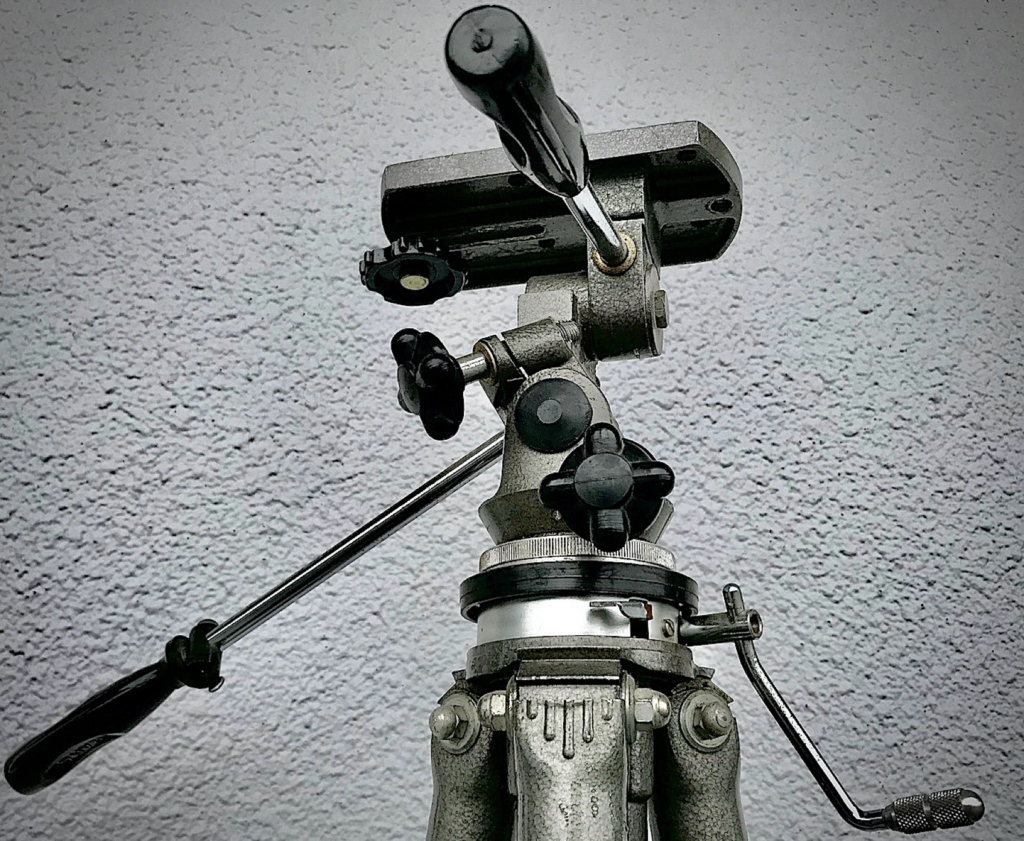
There’s a common challenge that anyone trying to take photos inevitably faces: the tripod problem. No, it’s not a love triangle. Even when taking photos with a compact camera or smartphone, you’ve probably had the experience of leaning against something or bracing your hand against a pillar or similar surface. In other words, it’s a way to prevent camera shake. Many people have surely regretted a failed shot, thinking, “If only I’d been able to steady it, the photo would have turned out much better.” A tripod is your ally in such situations. However, tripods are heavy and can be quite cumbersome to carry around. While there are certainly products that tout their lightness or models that emphasize their compactness, a certain level of stability and size is still necessary. “The more you shoot, the more you’ll come to realize this,” is the advice from veteran photographers who’ve been shooting for years. You really do have to be prepared for this. Taking photos is actually not easy. It’s only by enduring the physical strain and the hassle that the path to photography opens up. I’ve heard that tripods originated on the battlefield, where stability was needed to aim at the enemy. On uneven battlefields, three sturdy legs kept the muzzle steady no matter the terrain. Indeed, tough physical stamina is indispensable for photography.
077
散歩
a walkway
年齢や興味にもよるが、今の時代は歩くことが勧められている。元々、歩くということは、意識にもせず、どちらかというと仕方なくか、仕事などで、しょうがなく歩いたものだ。長距離などは疲れることを避けて、乗り物に乗ったりもする。それがどう変わったのか、万歩計などという小道具も出てきて、まさに歩くことは良いことだ的な風が吹きまくっている。テレビなどでも有名人や憧れのスターなどが、やれ健康だとかスタイルをキープするために一日2時間は歩きます…などと、歩くことへの宣伝効果は大きくなってきている。まるで歩きたくないのは罪になるような雰囲気すらある。そもそも散歩というものは、中国の三国時代に貴族などに流行った、滋養強壮薬のほてりを冷ますために、歩いたたという話から、散歩という言葉が生まれたといわれる。薬による体の熱を散発する歩きから散歩となったという説。けっこう不純な話でもある。しかし散歩といえば哲学の道がよく知られているように、歩きながらの思索には効果がありそうだが、歩く距離ばかり自慢する話にはちょっとついて行けない。
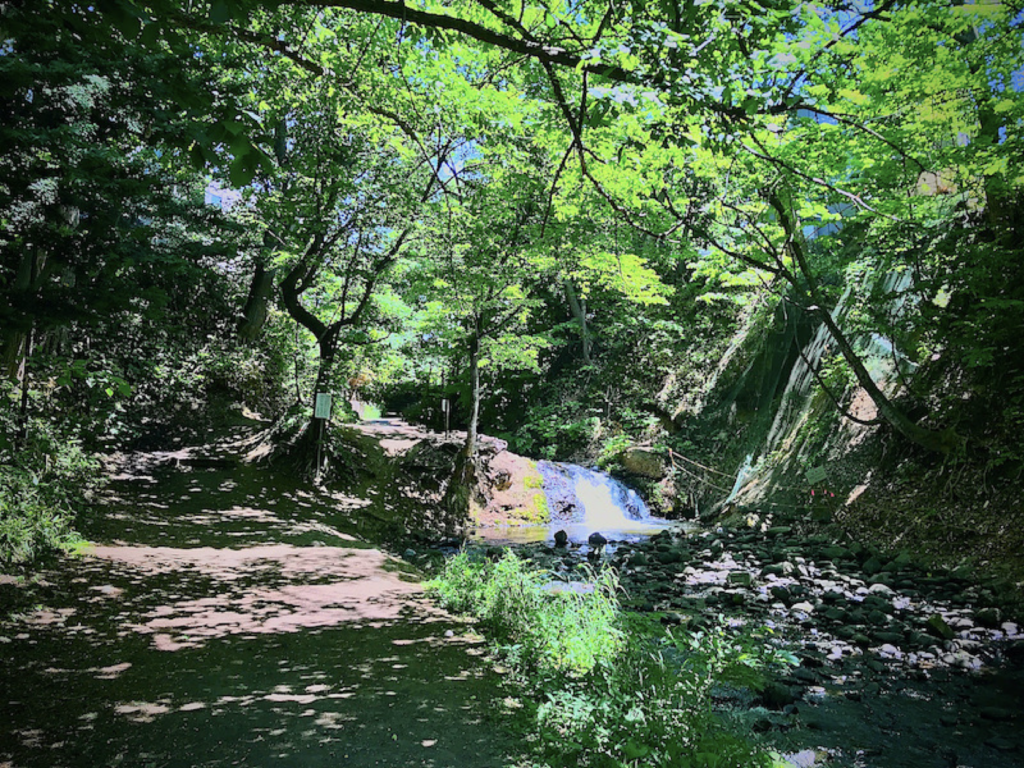
Although it depends on your age and interests, walking is widely recommended these days. Originally, walking was something we did without even thinking about it—more out of necessity, such as for work, rather than by choice. To avoid getting tired, we’d often take a vehicle for long distances. But things have changed: gadgets like pedometers have appeared, and there’s a strong trend suggesting that walking is, in fact, a good thing. On TV and elsewhere, celebrities and idols are saying things like, “I walk two hours a day to stay healthy or keep in shape…” and the promotional impact of walking is growing significantly. There’s even an atmosphere that makes it seem almost like a sin not to want to walk. The word “stroll” is said to have originated from a story during China’s Three Kingdoms period, when it became popular among the nobility to walk in order to cool down the heat generated by tonic medicines. The theory is that “stroll” evolved from the act of walking to dispel the body’s heat caused by medication. It’s actually a rather impure origin story. However, as is well known with the “Philosopher’s Path,” walking while reflecting seems to be effective; yet, I can’t quite get on board with people who just brag about the distance they’ve walked.
076
コースター
coaster
英語ではcoaster、ドイツ語圏ではビアデッケル、(ビールの蓋)とウィキペディアにはあるが、簡単な説明の他は何も書いていない。それだけ取るに足らないものということか。日本語ではコップ敷きやコップ受け、グラスマットなどと呼ばれる。ただ、暑い飲み物の時など、安全とテーブルにシミをつけないなど、立派な役割もある。写真はスターバックスの純正のコースターだ。もちろん販売されているものでタダではもらえない。どういうわけか、スターバックスの店内では出てこないが。右のゴム製のものは、今は販売していなく、少し古いものだ。こうした他に紙製のコースターは世界中にコレクターも多い。初めは飲みに入った店の記念くらいでもらうことも多いだろうけど、だんだんその絵柄や店の雰囲気など、思い出代わりに溜まってくることもあるのだろう。お互いにトレードしたりと、コレクター道はしっかりあるらしい。ワインではあまり使った例を見ないが、オンザロックやカクテルには所作も含めて必須だ。こんな存在のものだが、酒の席での話題にきっと役に立っているのだろう。
Wikipedia states that it’s called a “coaster” in English and a “Bierdeckel” (beer lid) in German-speaking countries, but aside from a brief explanation, there’s nothing else written about it. Does that mean it’s considered such a trivial item? In Japanese, it’s called a “cup mat,” “cup holder,” or “glass mat.” However, it does serve an important purpose—such as ensuring safety and preventing stains on the table when drinking hot beverages. The photo shows an authentic Starbucks coaster. Of course, it’s sold in stores—you can’t get one for free. For some reason, though, they’re never served with drinks inside Starbucks stores. The rubber one on the right is a slightly older model that’s no longer sold. In addition to these, paper coasters have many collectors all over the world. At first, people probably collect them simply as souvenirs from the places they visit for a drink, but over time, they likely accumulate as mementos of the designs and the atmosphere of those establishments. It seems there’s a thriving collector’s scene, with people even trading them with one another. While you don’t see them used much with wine, they’re essential—including as part of the ritual—for drinks served on the rocks or cocktails. Though they may seem like a small thing, they surely serve as a useful conversation starter at drinking gatherings.
075
マイク
microphone
英語圏ではマイクと呼ばず、マイクロフォンと発音するそうだ。マイク何々と人名でも頻繁に使うのでマイクだけでは混乱するのだろう。でも日本ではマイクロフォンと長ったらしくは呼ばない。やはりマイクだ。そのマイクが最近になってまた人気が出ている。カラオケや挨拶程度だった使い道が、リモートワークやユーチューバーなどの登場で一躍電気店の前面に並ぶようになった。パソコン内蔵やスマートフォンにもマイクは付いているが音が悪い。映像の違いより、音声の質の違いの方が気になることが多いものだ。写真のマイクはコンデンサー型と言って私が使っているものだが、しっかりした自然な音で録音できる。残念なのは自分の声があまりにもヒドい声質だということか。なんとか話し方を考えてはいるが、マイクの性能が良いだけに、あとで聞き直す度に自分の声がイヤになってくる。
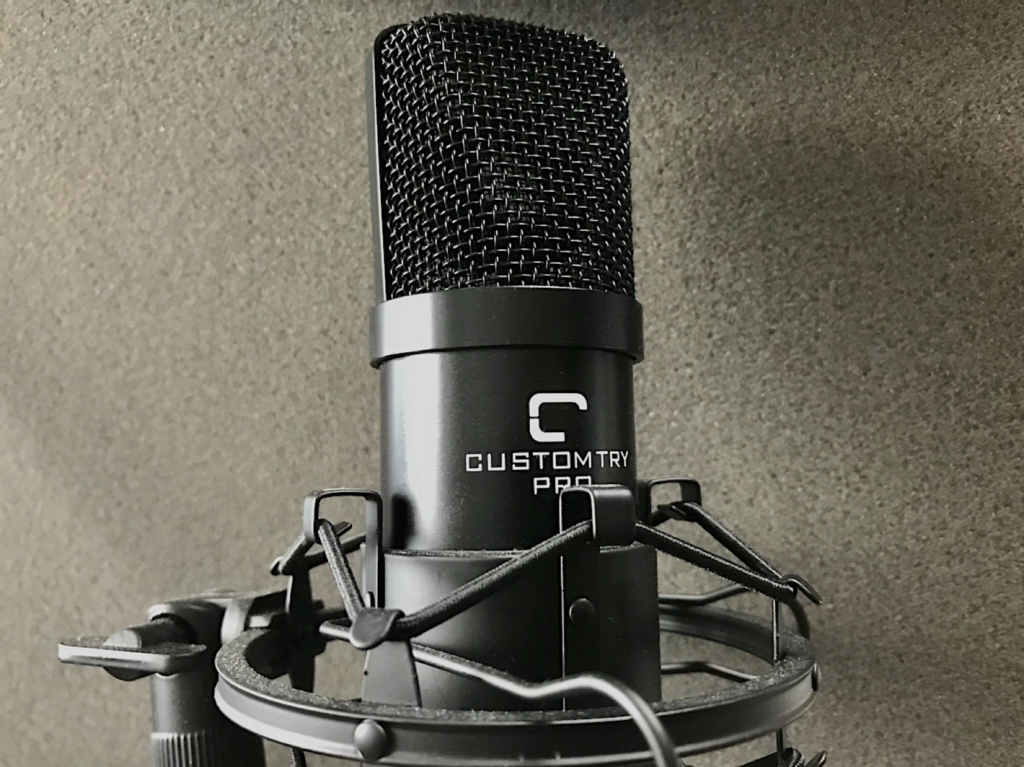
Apparently, in English-speaking countries, they don’t call it “Mike”—they pronounce it “microphone.” Since “Mike” is also frequently used as a first name, using just “Mike” would probably cause confusion. But in Japan, we don’t call it the long-winded “microphone.” It’s still just “Mike.” And that “Mike” has been gaining popularity again recently. While it used to be limited to karaoke and casual greetings, the rise of remote work and YouTubers has suddenly propelled it to the front of electronics store displays. While computers and smartphones come with built-in microphones, the sound quality is poor. More often than not, the difference in audio quality is more noticeable than the difference in video quality. The microphone pictured here is a condenser microphone—the one I use—and it captures sound clearly and naturally. The only downside is that my own voice has such a terrible timbre. I’m trying my best to adjust the way I speak, but precisely because the microphone is so high-quality, I end up hating the sound of my own voice every time I listen back to the recording.
074
凌霄花
Trumpet Creeper
「ノウゼンカズラ」たぶん。この花の名前を読める人は、花通なのだろう。漢字だけではなかなか読めない。植物と出合っても、名前を知らないと、何も分からない。どの種なのかとか、野菜か果物かとか珍しいものなのか、そうでもないのかとか。だから写真で後から調べるしかない。でも意外とそれが王道なのかもしれないが。写真のノウゼンカズラは夏から秋にかけて赤系の花をつける木だ。気根という幹などから伸びた根を伸ばして他の樹木や塀などに付着して伸びていく。中国原産で平安時代から日本では見られるらしい。私はあまり見たことはないが、ご存知だろうか。英語圏では花の形がトランペットに似ていることからトランペット・ヴァイン、トランペット・フラワーなどと呼ばれる。そういえばラッパに似た黄色い花の名が、エンゼルトランペットと呼ばれるのを聞いたことがあった。花言葉「名誉」「評判」だそうで、いかにもファンファーレ的な意味合いだ。
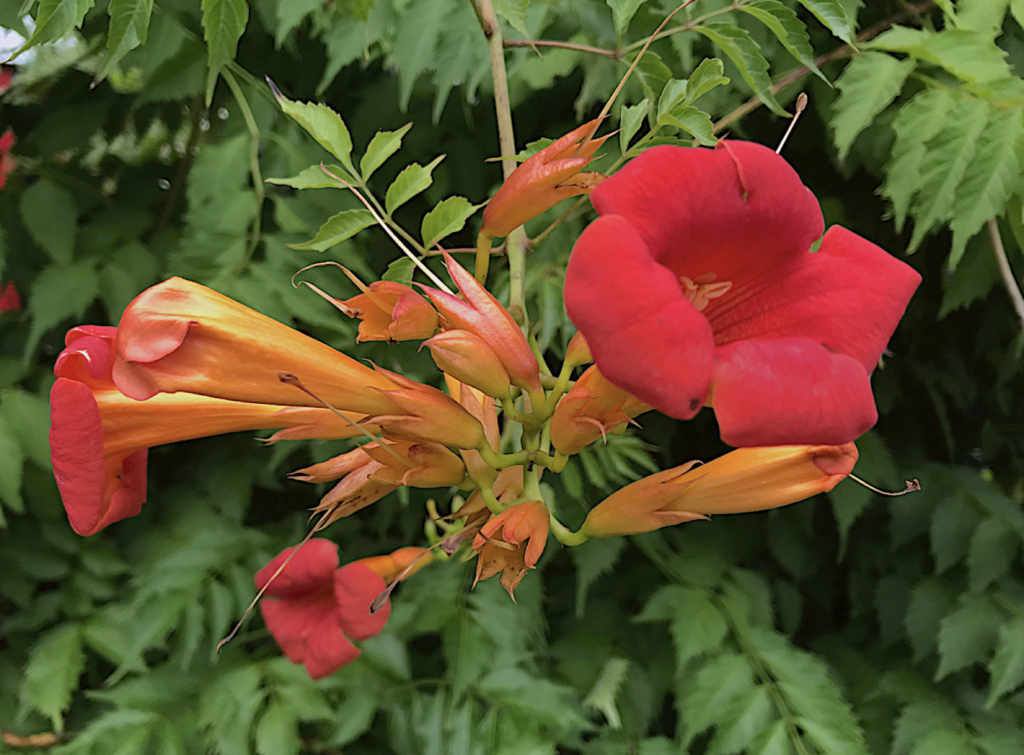
“Nozenkazura.” I suppose anyone who can read the name of this flower must be quite the flower connoisseur. It’s not easy to figure out just from the kanji. Even when you come across a plant, if you don’t know its name, you can’t really understand anything about it—what species it is, whether it’s a vegetable or a fruit, or whether it’s rare or not. So you have no choice but to look it up later using a photo. But surprisingly, that might actually be the standard approach. The Trumpet Vine pictured here is a tree that blooms with reddish flowers from summer through fall. It extends aerial roots—roots that grow from the trunk—to cling to other trees or fences as it grows. Native to China, it’s apparently been found in Japan since the Heian period. I haven’t seen it very often myself—do you happen to know it? In English-speaking countries, it’s called “trumpet vine” or “trumpet flower” because the shape of its blossoms resembles a trumpet. Come to think of it, I’ve heard that a yellow flower resembling a trumpet is called an “angel’s trumpet.” Its floral meanings are said to be “honor” and “reputation”—which certainly has a fanfare-like connotation.
073
食用ほおずき
Golden Berry
スーパーフードのひとつだそう。体内の活性酸素の発生を防ぐベーターカロテン、脂肪肝を防ぐイノシトール、動脈硬化を予防するビタミンA、免疫力アップのバイオフラボノイドなど、多くの優れた栄養素を含むと言われている、まさに万能薬のサプリみたいだ。古代インカの頃から食べられている食用ほおずきは、別名ストロベリートマトとも呼ばれるナス科ホオズキ属の植物。サプリの広告のような文章になったが、きょう畑でとれた写真の実を初めて食べた。甘くて美味しい味。食べたとき、この味はどこかで食べた味だなーと思ったが、その時はなかなか思い出せなかった。しばらくしてマンゴーのような味かなと気付いた。それと後味にナッツの風味もあった。たしかに、小さなトマトのような形だが、その味は予想をはるかに超えていた。収穫量はまだ少なく、あまり見かけないが、きっとこれからブレイクするのかも知れない。
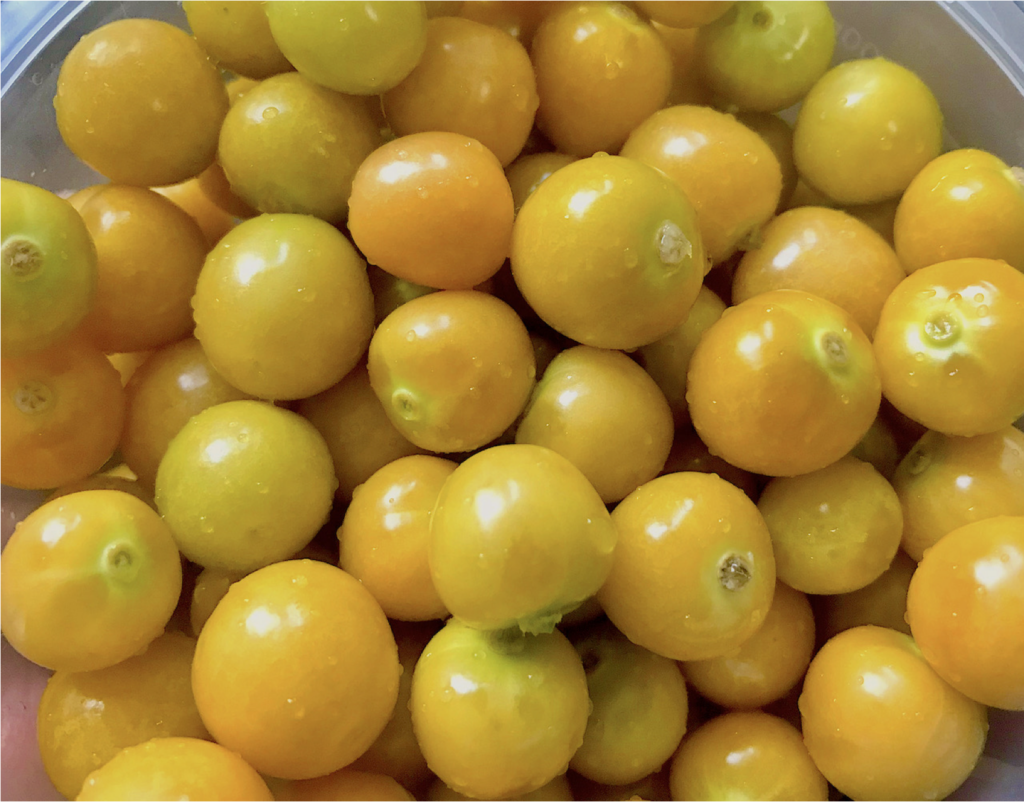
I hear it’s considered a superfood. It’s said to contain many excellent nutrients—such as beta-carotene, which helps prevent the formation of free radicals in the body; inositol, which helps prevent fatty liver; vitamin A, which helps prevent arteriosclerosis; and bioflavonoids, which boost immunity—making it seem like a true “cure-all” supplement. Edible ground cherries, which have been consumed since the time of the ancient Incas, are plants in the Solanaceae family, genus Physalis, and are also known as “strawberry tomatoes.” This might sound like an advertisement for a supplement, but today I tried the fruit pictured here—which I picked from my garden—for the first time. It was sweet and delicious. When I tasted it, I thought, “I’ve had this flavor somewhere before,” but I couldn’t quite place it at first. After a while, I realized it tasted a bit like mango. There was also a nutty aftertaste. While it’s true that it’s shaped like a small tomato, its flavor far exceeded my expectations. The harvest is still small, and you don’t see them very often, but they might just be on the verge of becoming the next big thing.
072
畳の目
Tatami Weave
茶人にとっての座標は、畳の目だという。知らなかった。何となく茶碗の置く位置や差し出す所作から、何かを基準にしているのだろうとは思っていたが、それが畳の目だった。400年前から決められた作法という。畳の一目はおおよそ1.5ミリ。ふためで3ミリ、そうやって測るのだというが、体型の違いや道具などのサイズで少しは変わってくるのか、それとも許容範囲があるのかは、門外漢としては恥ずかしながら分からない。畳は植物素材でシックハウスの問題も少なく、近年も若い建築主にも人気だと聞いた。自然素材の環境での子育てや癒やしブームが再び畳業界を支えているのかも知れない。畳の大きさで部屋の広さを表すのも、日本独特かも知れない。ただ少し調べると、畳の一畳と広さの「帖」とは同じ音だが違うようだ。京間、江戸間、格式によって縁の色が違うなど、作法やしきたりを調べると畳の奥深さがよく分かる。
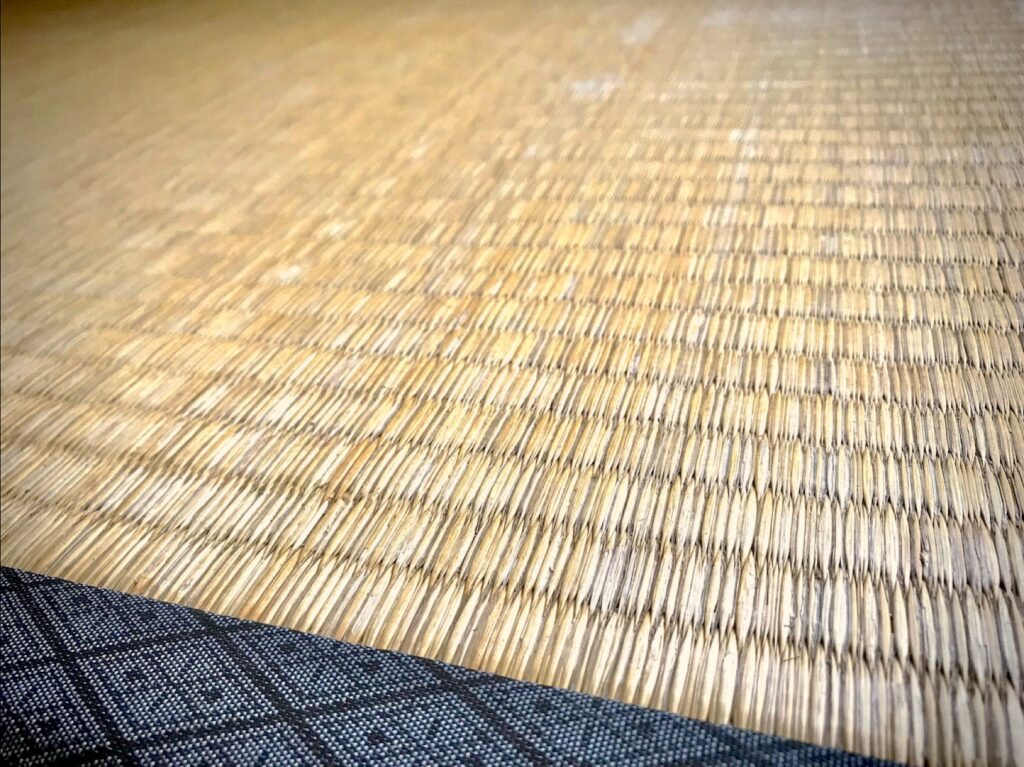
I’ve heard that for tea masters, the grid lines of the tatami mats serve as their reference points. I didn’t know that. I’d vaguely suspected—based on where they place the tea bowls and the way they present them—that they must be using some kind of reference, but I didn’t realize it was the tatami grid. Apparently, this etiquette has been established for 400 years. One tatami grid line is roughly 1.5 millimeters. They say you measure it in “futa-me” (three tatami grid lines), but as a layperson, I’m ashamed to admit I don’t know if the measurement varies slightly depending on a person’s build or the size of the utensils, or if there’s a certain margin of error. I’ve heard that tatami mats, made from plant-based materials, pose fewer health risks associated with “sick building syndrome” and have remained popular even among young homeowners in recent years. Perhaps the trend toward raising children in natural environments and the “healing” boom are once again supporting the tatami industry. Expressing room size in terms of tatami mats may also be unique to Japan. However, a quick search reveals that while “tatami” (one mat) and “jo” (a unit of area) share the same pronunciation, they are distinct terms. When you look into the etiquette and customs—such as the differences in border colors based on the “Kyoma” and “Edoma” standards and the level of formality—you truly come to appreciate the depth and complexity of tatami.
071
変形野菜
Misshapen Vegetables
友人の畑でとれたキュウリだが、なぜか蜷局を巻いている。こうなると普通のキュウリではなく別な生き物にも見えてくるから不思議だ。野菜も生き物なのに…。パレイドリア(英: Pareidolia)とは心理現象のひとつで、あるパターンの形を別なものに想像してしまう現象(前出)。まさに植物なのに動物的なイメージといったところだろう。よく知られるのはダイコンやナスだ。人の体に似た形に育った大根やナスはインスタグラムやSNSなどでも話題になる。よくもここまで似たものだと感心するが、ダイコンはダイコンだ。フランスで一時期、奇形野菜を排除する動きがあったが、栄養価が同じなのに形で廃棄判断することへの弊害が指摘され、中止された。数年前からは逆に不細工な果物と野菜を買おうというキャンペーンも登場している。海外ではコンテストも行われるくらい話題になりがちなこれらの野菜だが、ヒトの勝手な想像の世界に振り回されている。
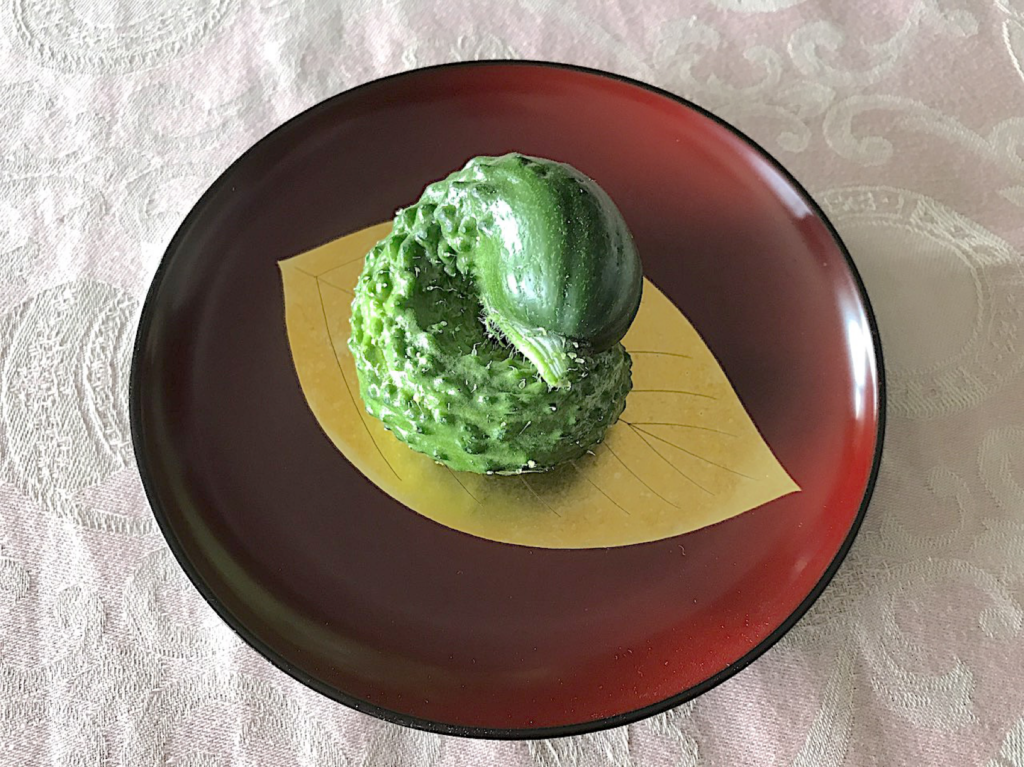
These cucumbers were harvested from a friend’s garden, but for some reason, they’re curled up. It’s strange—when they look like this, they don’t seem like ordinary cucumbers anymore, but rather like some other kind of creature. Even though vegetables are living things… Pareidolia is a psychological phenomenon in which we unconsciously interpret certain patterns as something else (as mentioned earlier). In this case, it’s a plant that evokes an animal-like image. Radishes and eggplants are well-known examples. Radishes and eggplants that grow into shapes resembling the human body often become a hot topic on Instagram and other social media. It’s impressive how similar they can look, but a daikon is still just a daikon. In France, there was a movement for a time to weed out misshapen vegetables, but it was discontinued after critics pointed out the harm in discarding them based on appearance alone, even though their nutritional value was the same. In contrast, campaigns encouraging people to buy “ugly” fruits and vegetables have emerged in recent years. While these vegetables often become such a hot topic overseas that contests are even held, they’re really just being swayed by the whims of human imagination.
070
マキリ
makiri
マキリとは、マタギやアイヌなどが使う小刀のことだ。写真のものは、平取町立二風谷アイヌ文化博物館に展示してある女性用のマキリ。重要有形民族文化財指定のものだが、函館の函館市北方民族資料館でも数多く展示してあるのを見た覚えがある。印象的なのはその木製の鞘の彫刻だ。様々な模様が彫ってあり、二つと同じものが無いくらい多彩な文様がある。簡単な説明によると、個人のものを見分けるのに役立つそうだ。写真の女性用のマキリはひもが付いていて、おそらく腰の帯などに挟んで下げていたものと思われる。刀身そのものは展示が少ないので、分からないが、おそらく日常生活の中で大切に使われていたことと想像できる。肉や野菜を処理したり、野生の植物採取、布や糸などの切断など、現在のナイフと同じように便利な道具だったろう。どの時代にアイヌに鉄器が伝わったのか、私はまだ分からないが、和人と交易があった頃、ニシンやサケを捌くのに必要だったなどと言われるが、歴史を調べると、また別の興味がわいてくる。小さな道具ではあるけれど、その魅力と存在は大きい。
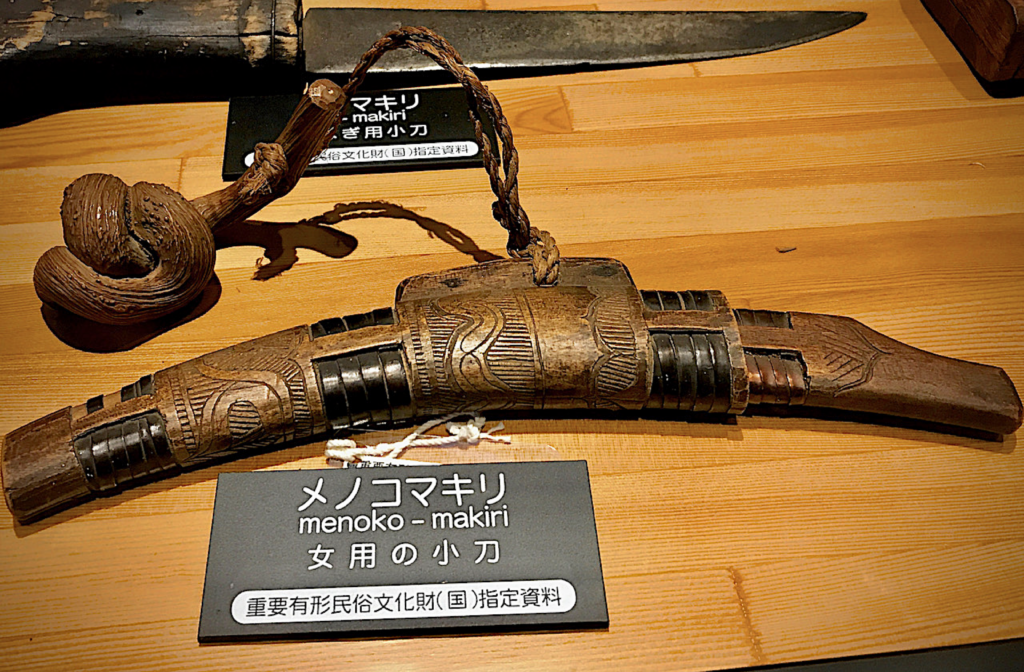
A “makiri” is a small knife used by the Matagi and the Ainu, among others. The one pictured here is a women’s makiri on display at the Nibutani Ainu Cultural Museum in Biratori Town. Although it has been designated as an Important Tangible Folk Cultural Property, I recall seeing many of them on display at the Hakodate Museum of Northern Peoples in Hakodate as well. What’s particularly striking is the carving on its wooden sheath. Various patterns are carved into it, and the designs are so diverse that no two are alike. According to a brief explanation, this apparently helped owners distinguish their personal knives. The women’s makiri pictured here has a cord attached, so it was likely tucked into a waist sash or similar item and worn hanging down. Since the blades themselves are rarely displayed, it’s hard to say for certain, but one can imagine they were cherished and used carefully in daily life. It must have been a convenient tool, much like modern knives, used for processing meat and vegetables, gathering wild plants, and cutting fabric and thread. I still don’t know exactly when iron tools were introduced to the Ainu, but it’s said that they were necessary for filleting herring and salmon during the period of trade with the Japanese. As I delve into the history, I find myself becoming even more intrigued. Although it is a small tool, its charm and significance are immense.
069
卵かけご飯
Rice with Raw Egg
新鮮な卵が手に入ったときは、やってみたいのがこの卵かけご飯だ。目にも鮮やかな黄身と炊きたての白いご飯にとろーっとかかる白身。これぞ日本人の朝のゴールデン朝食と言えるだろう。昔は家庭でも庭や納屋でニワトリを飼っていて、鮮度の良い卵が手に入ったが、最近は郊外の卵専門の店くらいでしか手に入らない。もちろんニワトリを飼って毎朝卵を手に入れるというのもアリだが、今はニワトリを飼うのに自治体の許可が必要なほど、難しい環境になっているらしい。日本人は生卵を平気で食べるが、海外ではこの食べ方は、異様な目で見られる。生の食材を使うときは海外では勇気がいるものだ。でも、最近では海外でもマグロなど「サシミ」文化が少しづつ広がっていて、そのうち和食レストランがある海外のホテルでも、ブレックファーストメニュに「卵かけご飯」が載るかもしれない。その時の注文は「Eggs on rice」って言うのだろうか。
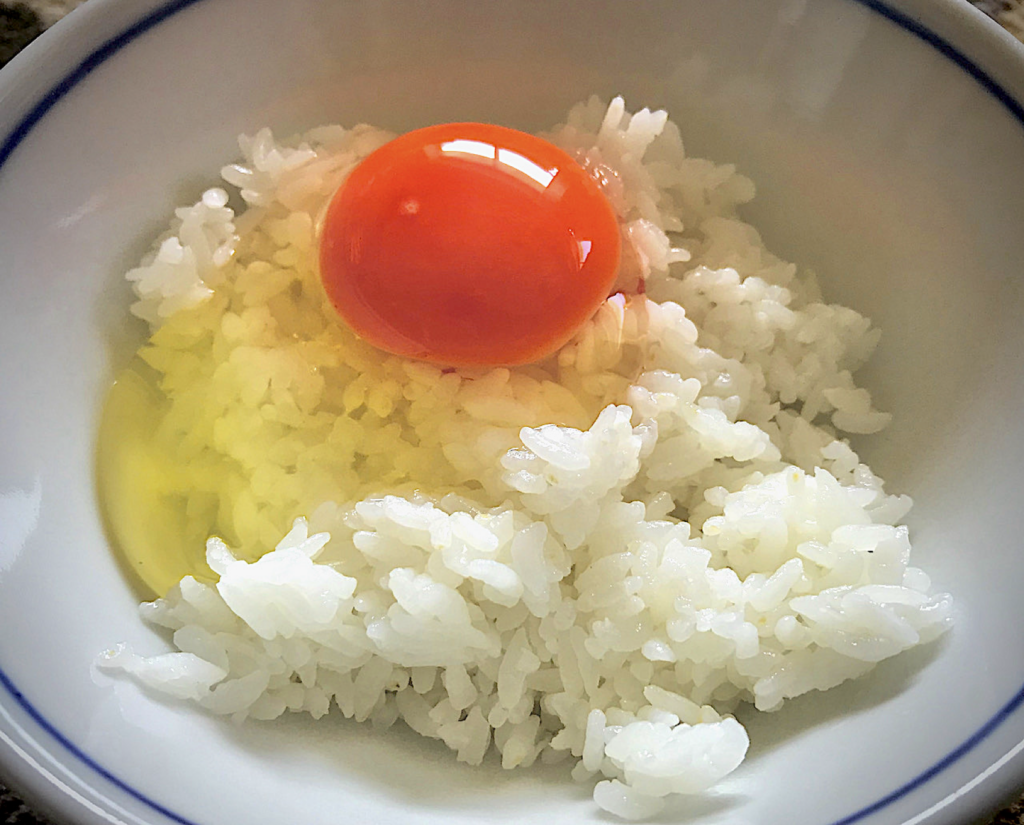
Whenever I get my hands on fresh eggs, I can’t resist making this dish: rice topped with raw egg. The vibrant yellow yolk and the white egg white that drips smoothly over freshly cooked white rice—this is truly the quintessential Japanese breakfast. In the past, families used to keep chickens in their backyards or barns, so they could easily get fresh eggs, but these days, you can only find them at specialty egg shops in the suburbs. Of course, keeping chickens and getting fresh eggs every morning is an option, but it seems the regulations have become so strict that you now need permission from the local government just to keep chickens. Japanese people eat raw eggs without a second thought, but overseas, this practice is viewed with some surprise. It takes courage to eat raw foods abroad. However, the “sashimi” culture—including dishes like tuna—has been gradually spreading overseas as well, and before long, “tamagokake gohan” might even appear on the breakfast menus of overseas hotels with Japanese restaurants. I wonder if people will order it as “Eggs on rice” when that happens.
068
デイライト
DRL
何かが起こらなければ、変えようとしないのは日本人の特性なのだろうか。ちょっと先を想像すればいろんなシチュエーションが浮かぶはずなのだが…。クルマの運転免許更新などの時、よく指導教官から「だろう運転」ではなく「かも知れない運転」を心がけて欲しい、と言われることがある。この、かも知れないという発想が、少し先を連想することだと思う。今回はクルマのヘッドライトの話だ。最近はなくなったが、以前は「ライト消し忘れてますよー」的な合図を対向車からもらったことがある。私は意識して10年以上前からヘッドライトは昼間もつけて走っている。デイライトの正式名称は「デイタイム・ランニング・ランプ」(DRL)というそうだ。日本でも道路運送車両の保安基準が変わったことで「昼間走行灯」と呼ばれる装置が新車から義務づけされた。あまり知られていないが。私がデイライトを始めたきっかけは、海外を走った時、半数ほどのクルマが昼間でもライトを点灯して走っていたのを見たことだった。あとで調べると、その効果で交通事故が減ったそうだ。良いことは早めに始めた方がいいのだが、日本ではどうだろう。
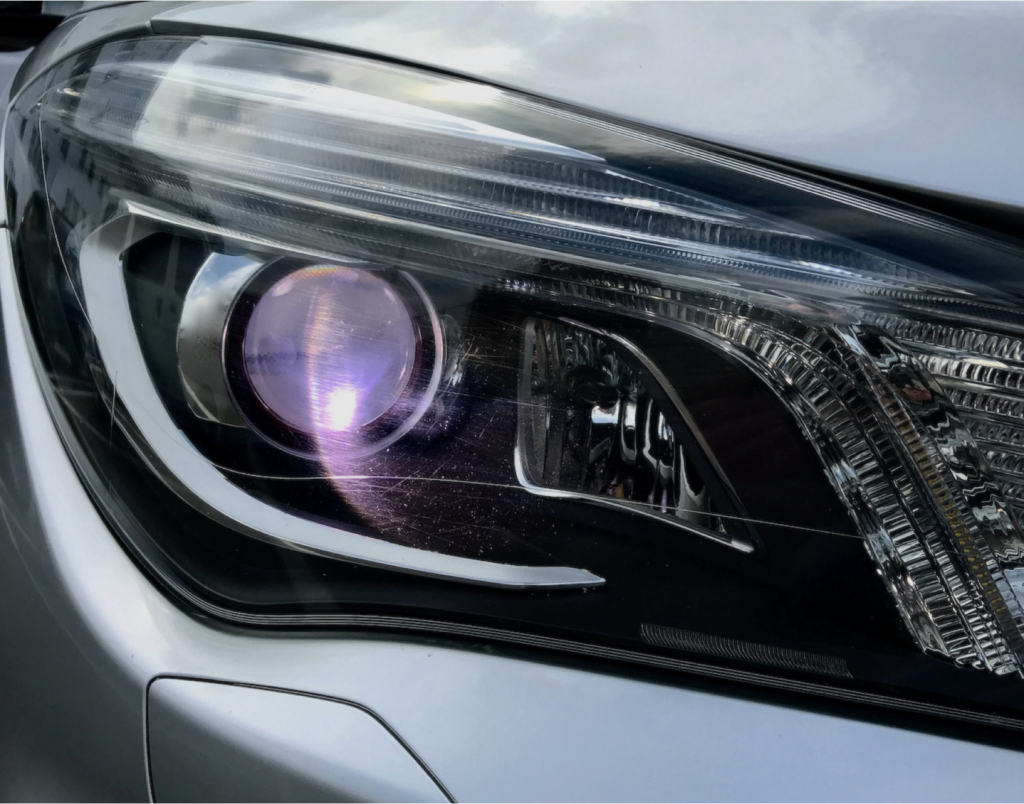
IIs it a characteristic of Japanese people that they won’t try to change things unless something actually happens? If they just imagined what might happen a little further down the road, all sorts of scenarios should come to mind… When renewing a driver’s license, for example, driving instructors often tell students to try to drive with the mindset of “it might happen” rather than “it probably will happen.” I think this “it might happen” mindset is exactly what it means to anticipate what might happen a little further down the road. This time, I’d like to talk about car headlights. It doesn’t happen much anymore, but I used to get signals from oncoming drivers, like, “You forgot to turn off your headlights!” I’ve been consciously driving with my headlights on even during the day for over 10 years. Apparently, the official name for daytime running lights is “Daytime Running Lamps” (DRL). In Japan, too, changes to the Road Vehicle Safety Standards have made “daytime running lights” mandatory on new cars—though this isn’t widely known. What prompted me to start using daytime running lights was seeing that about half the cars I encountered while driving abroad had their lights on even during the day. When I looked into it later, I found that this practice had actually led to a reduction in traffic accidents. It’s always best to adopt good habits early on, but I wonder how this is going in Japan.
067
アプリケーション
Applications
この言葉を初めて聞いたのはいつ頃だろう。多くの人はおそらく数年前ではないだろうか。ちょうどスマートフォンが登場したころだと思うが、今では「アプリ」で通じる。誰もがアプリと呼ぶが、正確にはアプリケーションソフトウェアだ。コンピュータープログラムと言う方がより正確だろう。日本語で「応用」という意味のこの言葉は、コンピュータを操作するプログラムとして発展してきた。裏方的なその役割は音楽で言えば楽譜、演劇や映画で言えば脚本にあたるだろう。デジタル信号の巨大な組み合わせがメモリに書かれているものだ。インターフェイスではその存在すら意識されないが、まさしくそれなしではPCもスマートフォンもネットワークまでも動かない影の主役と言えよう。多くのアプリケーションソフトの中で、身近なものはゲームかも知れない。また、ビジネスソフトやワープロソフト、グラフィックソフトなどもその代表だ。写真のCDはアドビの有名なソフトウェアで1990年にMacintosh用に初めて発売され、35年以上もバイジョンアップを重ねながら使われ続けている。キラーアプリケーションと呼ばれるこのアプリは、もはやレジェンドと呼べるだろう。
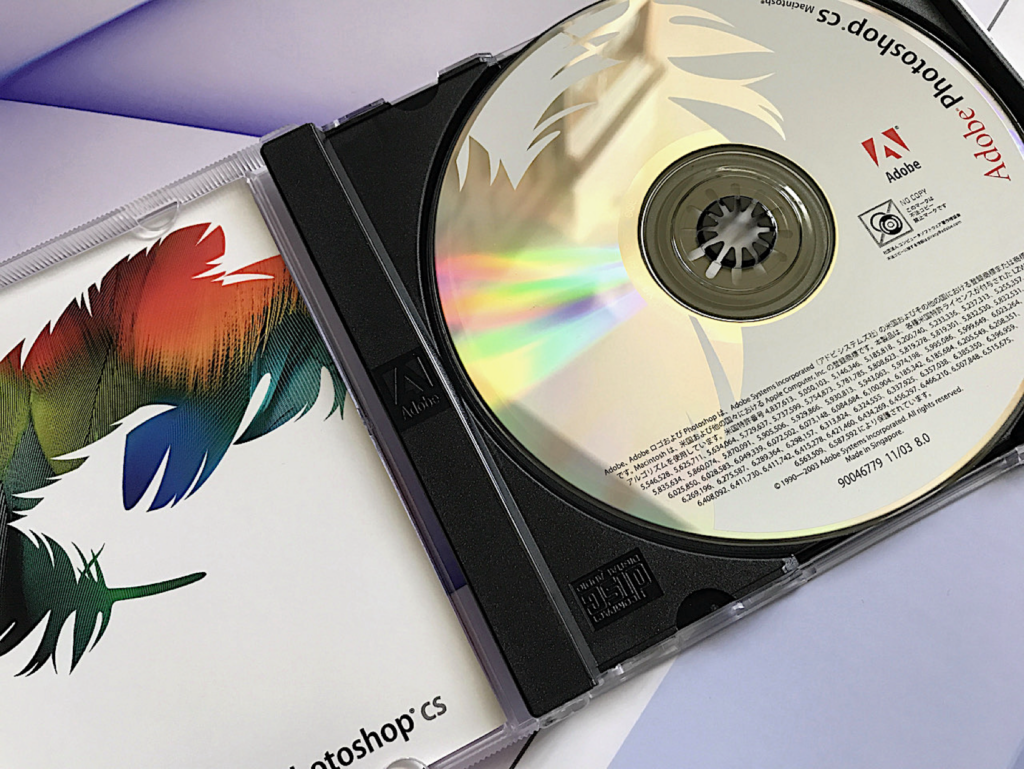
I wonder when I first heard this term. For most people, it was probably a few years ago. I think it was right around the time smartphones first appeared, but nowadays, “app” is the term everyone uses. Everyone calls them “apps,” but strictly speaking, they are application software. It would be more accurate to call them computer programs. This term, which means “application” in Japanese, has evolved to refer to programs that control computers. Their behind-the-scenes role is akin to sheet music in music or a script in theater and film. They consist of vast combinations of digital signals stored in memory. While their existence goes unnoticed through the user interface, they are truly the unsung heroes without whom PCs, smartphones, and even networks would not function. Among the many types of application software, games are perhaps the most familiar to us. Business software, word processing software, and graphics software are also prime examples. Photoshop—Adobe’s famous software—was first released for the Macintosh in 1990 and has continued to be used for over 35 years, undergoing numerous updates along the way. This application, often referred to as a “killer app,” can now truly be called a legend.
066
忘れられた聖火
the Olympic Flame
今から5年前に、かつてないほどの悲惨な五輪が、望まれないうちに開催された。実施そのものが問われただけでなく、その意義や目的や趣旨自体が揺らいでいた。あなたはもう忘れただろうか。そういえばあったな、と思うくらい忘れられている、そんなものだった。しかしスポーツに罪はない、と言いたいところだが、そもそもスポーツの起源は「暇つぶし」だとか。貴族階級の気分転換として誕生したものだとも歴史研究者は言う。もちろん、五輪憲章にもあるが、勝つことが一番でもない。しかし日本国内の放送などを見た限り、国別のメダル数の争いに見える。国の期待を背負うからこそ勝てなかった時に「土下座」しなければすまなかったり、銀メダルでも、申し訳ないと頭を下げる光景が見られる。気分転換どころではない、何か得体の知れない魔術にとりつかれているようにも見え、スポーツする無条件の喜びやら、心地よさは無く、ただ順位と記録としての数字がもてはやされている。苦しい中から努力して出場してきた選手たちには申し訳ないが、悲しい光景が繰り広げられた。そんな五輪ももう忘れられようとしている。
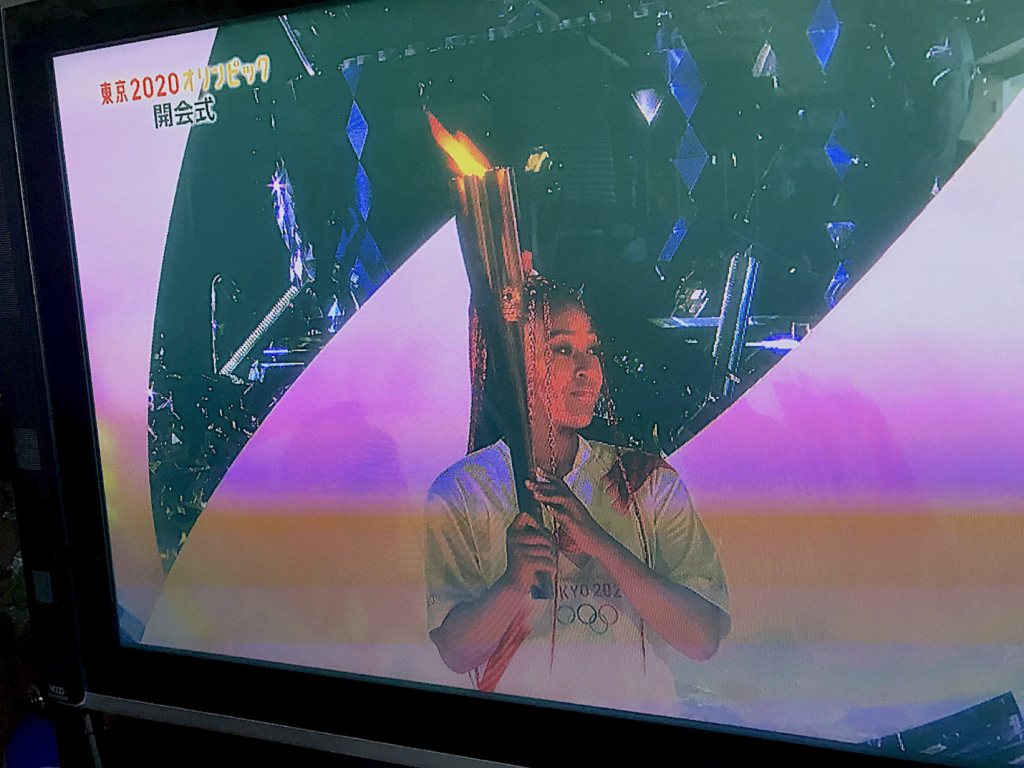
Five years ago, an Olympic Games of unprecedented tragedy was held against everyone’s wishes. Not only was the very holding of the Games called into question, but its significance, purpose, and underlying spirit were also called into question. Have you already forgotten about it? It’s been forgotten to the point where you might just think, “Oh, right, that happened.” I’d like to say that sports are not to blame, but after all, the origins of sports are said to lie in “passing the time.” Historical researchers also say it originated as a pastime for the aristocracy. Of course, as stated in the Olympic Charter, winning isn’t the be-all and end-all. Yet, judging from broadcasts in Japan, it appears to be nothing more than a competition for the highest medal count by country. Precisely because athletes carry the weight of their nation’s expectations, they feel compelled to “kneel in apology” when they fail to win, and we see scenes where even silver medalists bow their heads in contrition. This is far from a mere diversion; it looks as if they’ve been possessed by some unidentifiable magic. There’s no trace of the unconditional joy or sense of well-being that comes from participating in sports—only the numbers representing rankings and records are being glorified. I feel sorry for the athletes who worked so hard through hardship to compete, but a sad spectacle unfolded. Even such an Olympics is already beginning to fade from memory.
065
8ミリフィルムカメラ
8mm Film Camera
カメラの話題が続くが、1970年に開催された大坂万国博覧会の需要を見越して、富士フイルムが同じ年、発売した機種が写真のカメラだ。よく今の人が間違えるのは、8ミリビデオではなく、8ミリフィルムカメラだということ。つまりアナログフィルムに撮影する動画カメラということ。何だか、ややこしい言い方だが、しかたがない。その中には8ミリデジタルビデオカメラも別物としてあった。とにかく、すべて今はなくなったカメラたちということだ。撮影された動画を見る時は、長い8ミリ幅のプラスティック素材のフィルムが、カタカタと音を出しながら、リールからリールへ巻きとられ、途中で後ろから光が入って遠くのスクリーンへ動画を映すという、どこにもデジタルのかけらもない、映像投影システム。そのフィルム撮影をするためのカメラ。説明だけで疲れるが、この方式の方が原理を知るのは早いと思う。コマ送り、動画の尺、長回し、作品毎の一巻など、デジタル時代でもフィルムから連想する言葉も多く残る。
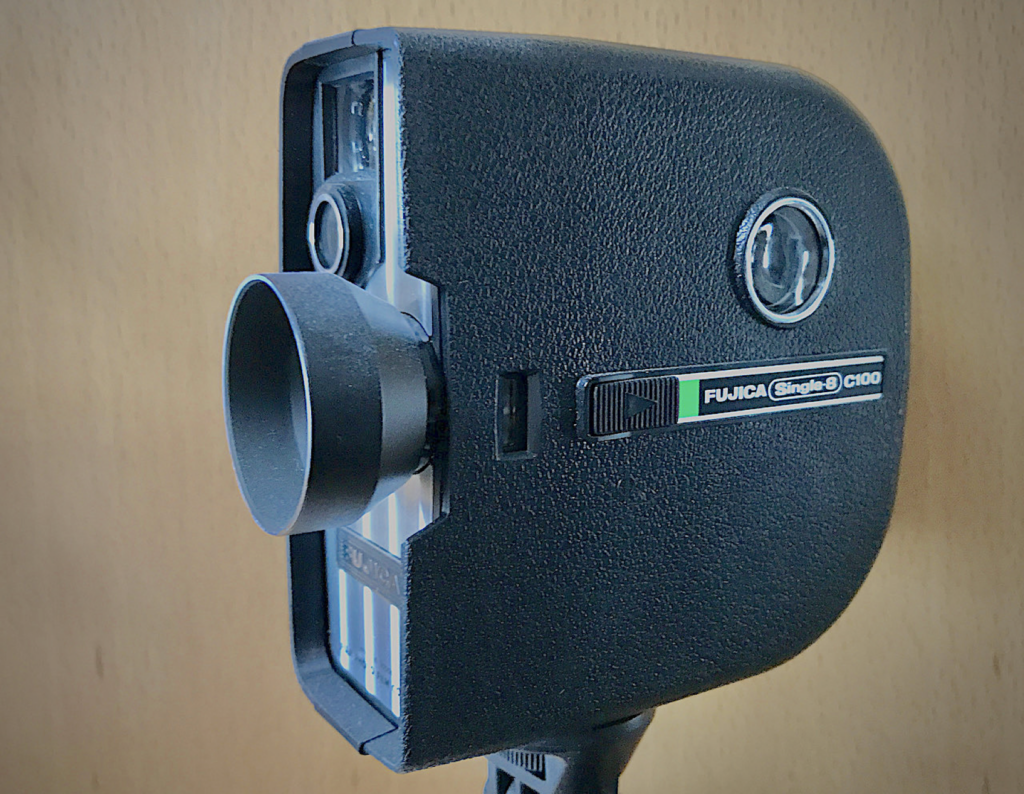
Anticipating demand for the 1970 Osaka World Exposition, Fujifilm released the camera pictured here that same year. A common misconception among people today is that this is an 8mm video camera, when in fact it is an 8mm film camera—that is, a video camera that records onto analog film. It’s a bit of a convoluted way of putting it, but there’s no helping it. There were also 8mm digital video cameras, which were a separate category. In any case, all of these cameras are now obsolete. When watching the recorded footage, a long strip of 8mm-wide plastic film would be wound from one reel to the other with a clattering sound, and light would enter from behind to project the video onto a screen in the distance—a film projection system without a single trace of digital technology. This was the camera used to shoot that film. Just explaining it is exhausting, but I think this method makes it easier to grasp the underlying principle. Terms like “frame-by-frame,” “running time,” “long take,” and “one reel per film” remain—even in the digital age, many words still evoke associations with film.
064
携帯電話専用カメラ
docomo camesse petit
今から26年前、ドコモの携帯電話は3,000万契約まで増加していた。モバイル通信などというコトバが流行りだした頃だ。今までの音声通話から、テキストや画像が通信機器に乗る時代を迎えていた。当時普及していたデジタルカメラで撮った写真はPCを経由して画像を取り込み、PCメールに添付の形で送り合っていた。ドコモとしては何とかテキストや画像送信を直接、携帯電話で実現できないかと考え、写真のような端末を発売する。「撮った写真をそのままメール」という、今ではあたりまえを目指した。名付けて「ドコモ携帯電話用メール通信専用デジカメ」だ。ドコモがカメラを作ったのだ。カラー液晶、タッチパネル、本体内蔵メモリなど努力の跡がみえる。ではなぜ、すべて一体化した電話にしなかったかが疑問だが、もし作ったら携帯の枠をはみ出した大きなものになったかも知れない。写真の機器は今はなき携帯関連のレガシーとして持っているものだ。ちょうどこの頃、iモードも始まっていたが、そのiモードは今年3月、ひっそりとサービスを終了した。すべて変わってゆく。
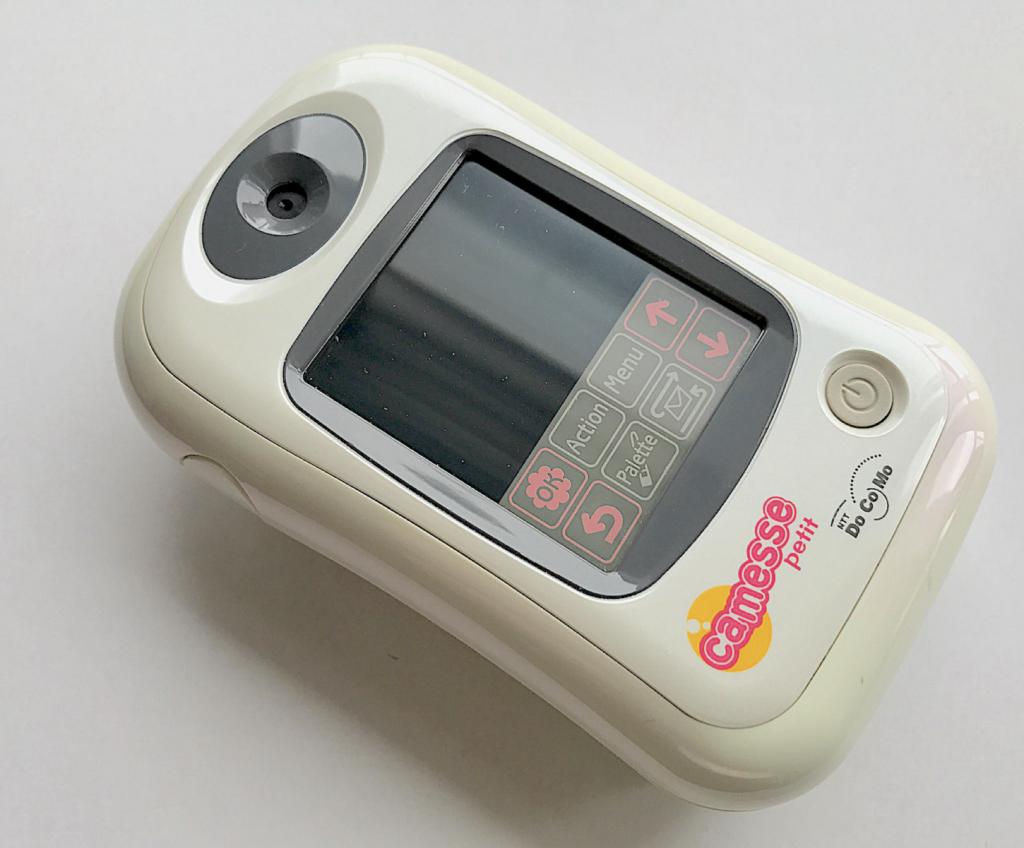
Twenty-six years ago, the number of Docomo mobile phone subscribers had reached 30 million. This was around the time the term “mobile communications” was becoming popular. We were entering an era where text and images were being transmitted via communication devices, moving beyond the voice calls of the past. At the time, photos taken with the digital cameras that were widely available were imported onto PCs and sent back and forth as attachments to email. Docomo wondered if there was a way to enable the direct transmission of text and images directly from mobile phones, and so it released a device that looked like a camera. They aimed for what is now taken for granted: “sending photos via email right after taking them.” It was dubbed the “Digital Camera Dedicated to Email Communication for DoCoMo Mobile Phones.” DoCoMo actually made a camera. You can see the evidence of their efforts in features like the color LCD screen, touch panel, and built-in memory. One might wonder why they didn’t simply make it an all-in-one phone, but if they had, it might have ended up being too large to fit within the typical mobile phone form factor. I still have the device pictured here as a relic of the now-defunct mobile phone era. Around this same time, i-mode was also launched, but that service quietly came to an end this past March. Everything is constantly changing.
063
盆の入り
The Start of Obon
今年は8月13日だったそうで、正式には盂蘭盆会と言う。亡くなった人たちの魂があの世からこの世に帰ってくる時期になると昔から教えられてきた。墓や仏壇に手を合わせ、霊をお迎えをする。元々の話は、釈迦の弟子の目連が、亡き母が餓鬼道で逆さ吊りにされて苦しんでいることを神通力で知る。そして釈迦にそのことを話すと、夏の修行が終わった後に供物をささげ供養すれば母を救える、との逸話からだそうだ。サンスクリット語の「ウラバンナ」が逆さ吊りの意味だった。それが盂蘭盆(うらぼん)になったという。日本では飛鳥時代からこの風習がはじまったらしい。現在は、子どもの夏休みや夏期休暇などと合わせて、人々が集まるきっかけでもあるが。きのう私の家の墓と妻の実家の墓には、そっと手を合わせてきたが、あちこちで争いが絶えない不安な世に先祖様は帰らない方がいいかもしれない、とも思った。
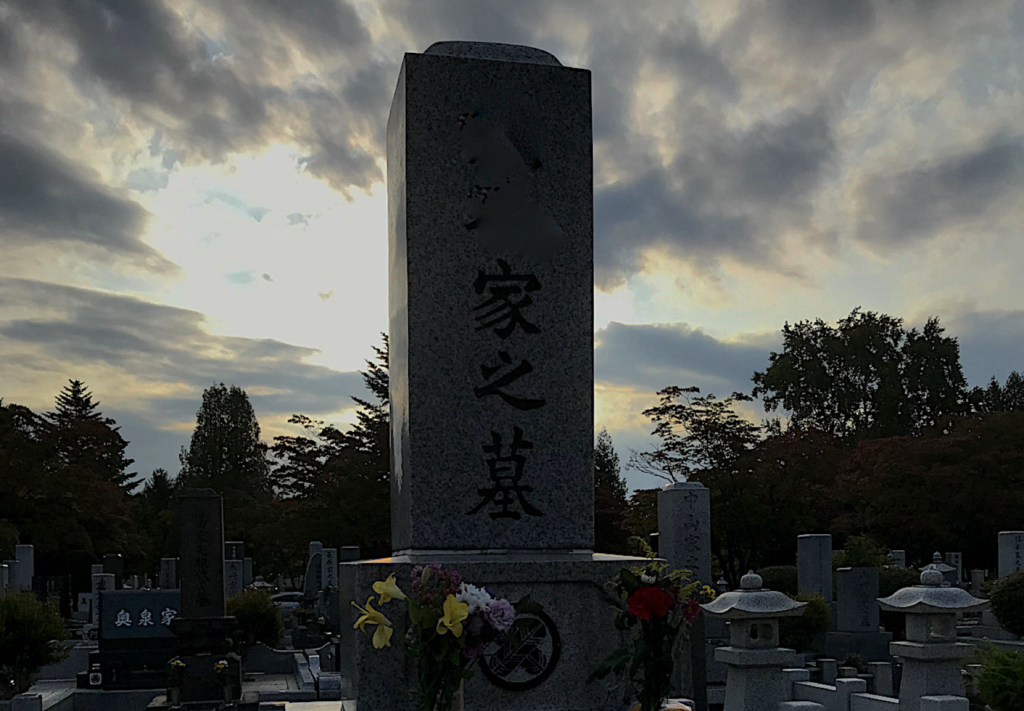
I’ve heard that this year it fell on August 13, and the official name is Urabon. It has long been taught that this is the time when the souls of the deceased return from the afterlife to this world. People clasp their hands in prayer at graves and Buddhist altars to welcome the spirits. The original story goes that Māra, a disciple of Shakyamuni, used his supernatural powers to discover that his deceased mother was suffering while suspended upside down in the realm of hungry ghosts. When he told Shakyamuni about this, he was told that if he made offerings and performed a memorial service after the summer retreat ended, he could save his mother—and this is the origin of the story. The Sanskrit word “Urabanna” meant “hanging upside down,” and it is said that this evolved into the term “Urabon.” In Japan, this custom seems to have begun during the Asuka period. Today, it also serves as an occasion for people to gather, coinciding with children’s summer vacation and other summer holidays. Yesterday, I quietly offered a prayer at the family grave at my home and at my wife’s family grave, but I also thought that in this unsettling world, where conflicts never cease, perhaps it would be better for our ancestors not to return.
062
スプレッドシート
spreadsheet
日本語ではこの呼び名より「表計算ソフト」の方が通りが良いと思う。あるいはマイクロソフトの「エクセル」と言えば分かりやすい。ビジネス現場でエクセルに触れない人はいないくらいの代表的なプログラムといえよう。マイクロソフトを代表するソフトウェアで、ウィンドウズマシン専用と言っていいアプリケーションだ。ただ、実は初めエクセルは、Mac用として誕生したことはあまり知られていない。1985年9月のことだ。当時売れていたアップルIIのキラーアプリとして人気に。2年後にはノウハウを生かしウィンドウズ版が登場する。当時のPCの代表的なソフトは、図形描画、表計算、データベースなど3つの機能がパッケージされたものが多かった。その後、表計算などに特化したソフトに進化する。写真のアップルワークスはワープロ、ドロー、ペイント、表計算、データベース、プレゼンテーションの6つの機能がまとめられ、教育現場も視野に入れていた。やがてその流れはグラフィックやプレゼンに優れたソフトの誕生へと繋がっていく。
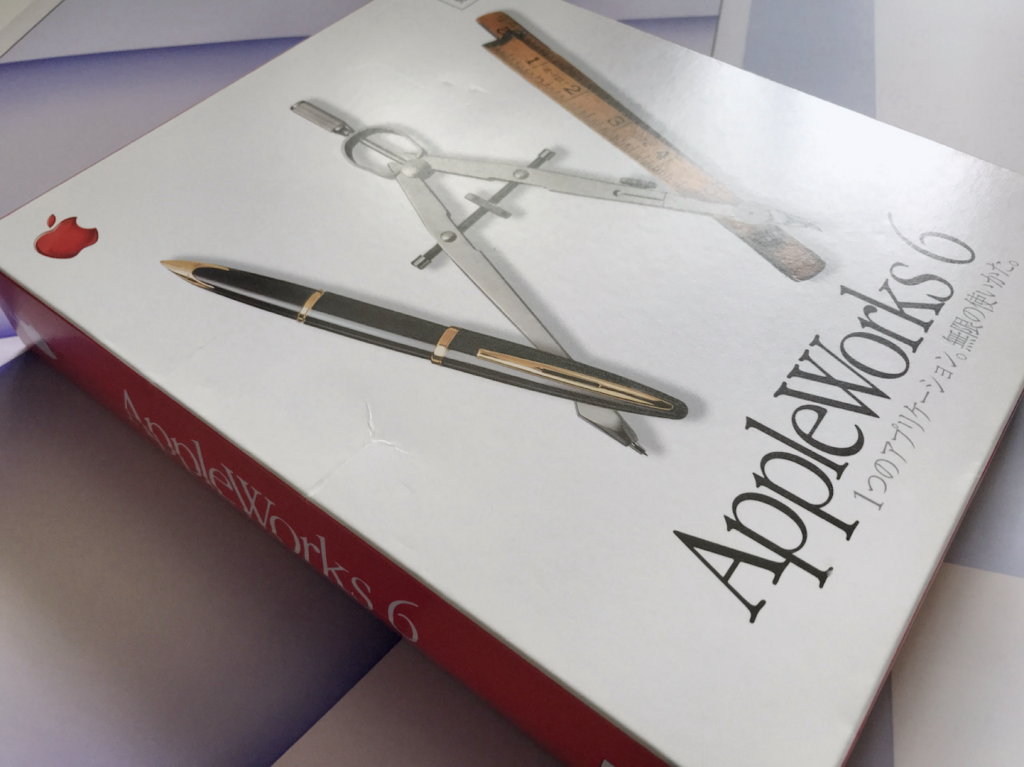
In Japanese, I think the term “spreadsheet software” is more commonly used than this specific name. Or, to put it simply, “Microsoft Excel” is the term everyone understands. It’s such an iconic program that there’s hardly anyone in the business world who hasn’t used Excel. It’s Microsoft’s flagship software and can be considered an application exclusively for Windows machines. However, it’s not widely known that Excel was actually first developed for the Mac. It was September 1985. It became popular as a “killer app” for the Apple II, which was selling well at the time. Two years later, leveraging that know-how, a Windows version was released. At that time, many of the leading PC software packages combined three functions: graphics, spreadsheets, and databases. Later, the software evolved to specialize in areas such as spreadsheets. AppleWorks, shown in the photo, combined six functions—word processing, drawing, painting, spreadsheets, databases, and presentations—and was designed with the educational market in mind. Eventually, this trend led to the emergence of software that excelled in graphics and presentations.
061
ブランド
a brand
好き嫌いから始まって、結局値段が高いと言う流れで、しまいには商品が選択肢から外れてしまうブランド品の話だ。さらにおまけも付いて、失敗談や、果ては持っている人たちへの苦情まで広がる。言い換えればやはり話題が豊富と言えようか。ブランドとは何か…などと、よく解説記事や初心者への説明が書かれていることもあるが、実際はよく分からない。言えるのは使い手が試される品物だということか。シャネルNo.5で有名なココシャネルが、大戦中にナチスのスパイ活動を手助けしていたとか、かならずしも有名ブランドには聞こえのいい歴史ばかりがあるわけではない。商品、あるいはサービスでのブランド価値は、負の歴史を含めて、差別化の歴史だ。良くも悪くも長い時間の中で熟成され、世に出てきたものだろう。例え生まれがどうであっても、商品価値が変わるわけではないと思うが、どうだろうか。最近ではユニクロ製品も中国の人権問題まで絡む難しい環境になっている。品物に罪はないが。

This is the story of luxury brands—it starts with personal preferences, moves on to complaints about high prices, and ultimately results in the product being ruled out as an option. On top of that, it’s accompanied by stories of failed purchases and even complaints directed at the people who own them. In other words, there’s certainly no shortage of things to talk about. While you often see explanatory articles or guides for beginners discussing “what a brand is,” the reality is that it’s hard to pin down. Perhaps the only thing that can be said is that these are products that put the user to the test. Take Coco Chanel, famous for Chanel No. 5—it’s said she aided Nazi espionage efforts during the war. Not all famous brands have a history that sounds entirely positive. The brand value of a product or service is a history of differentiation—one that includes its negative aspects as well. For better or worse, these are things that have matured over a long period of time before coming to market. I don’t think the value of the product itself changes regardless of its origins, but what do you think? Recently, Uniqlo products have also found themselves in a difficult situation, entangled with human rights issues in China. The products themselves are not to blame, though.
060
手袋
gloves
季節外れの話題だが、書いておく。今から10数年前くらいだろうか。何となく冬になると車のハンドルを握る指先が冷たく感じた。動きも少しぎこちない。北国育ちの私は、それまで雪を直接触る意外は手袋をはめたことはない。子どもの頃から寒さには強いと自覚していたし、実際手先が冷たくて我慢が出来なかったことはなかった。しかし年齢なのか皮膚の耐性が落ちたのか分からないが、冷たく感じることが多くなった。冬の関東などでは雪はないが風が冷たく、二三日滞在していると、手袋とマフラーが欲しくなることがあった。そんなことで、しばらくして写真にある皮の手袋を使い始めた。かなり使い込んできているが、自分の手の形にほぼなっていて、まるでもう一枚の皮膚のようだ。皮が破けて穴でも空いたら取り替えようと思うがまだ大丈夫みたいだ。この手袋をつけてハンドルを握ると、以外にしっくり安定する。ドライバーズグローブというわけでしばらくは冬のドライブには欠かせない。
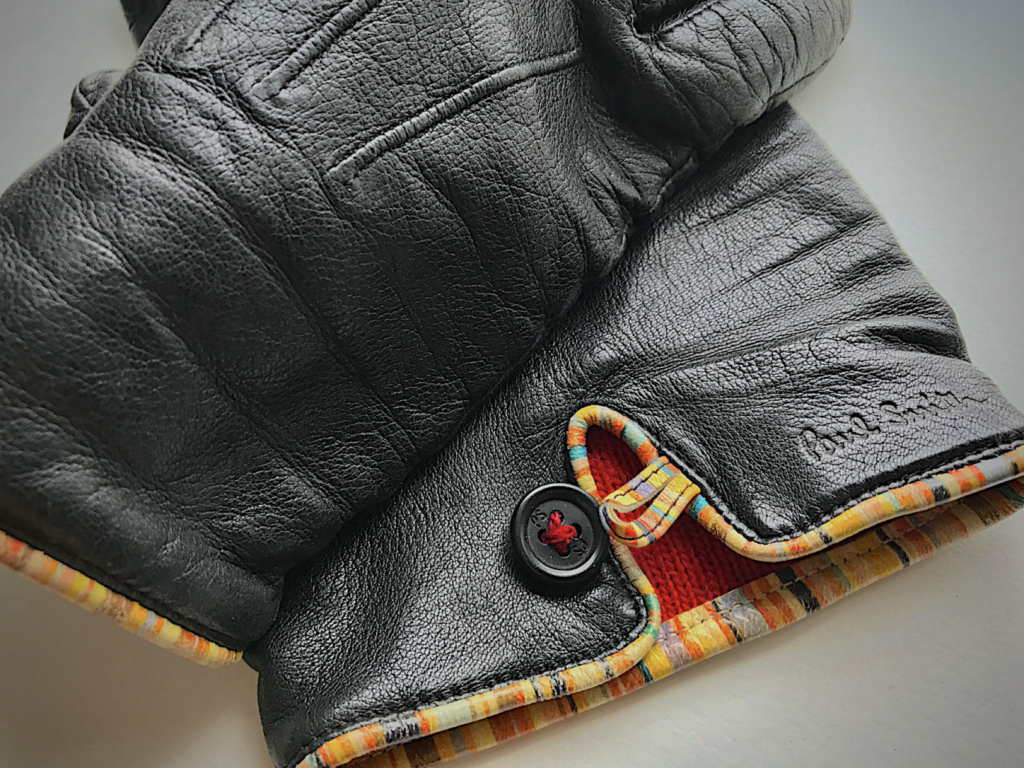
This is a bit out of season, but I’ll write about it anyway. It was probably a little over ten years ago. For some reason, whenever winter came around, my fingertips would feel cold when I gripped the steering wheel. My movements felt a little stiff, too. Having grown up in the north, I’d never worn gloves before—except when touching snow directly. Ever since I was a child, I’d considered myself resistant to the cold, and in fact, I’d never been unable to tolerate cold fingertips. However—whether due to age or a decline in my skin’s tolerance, I’m not sure—I started feeling the cold more often. In the Kanto region during winter, there’s no snow, but the wind is cold, and after staying there for two or three days, I’d sometimes find myself wanting gloves and a scarf. That’s why, after a while, I started using the leather gloves shown in the photo. I’ve worn them quite a bit, and they’ve molded almost perfectly to the shape of my hands—it’s as if they’re a second layer of skin. I plan to replace them if the leather tears or develops a hole, but they seem to be holding up just fine for now. When I grip the steering wheel with these gloves on, they feel surprisingly comfortable and secure. Since they’re driving gloves, they’ll be indispensable for winter drives for a while.
059
インスタントカメラ
Instant camera
自分ではポラロイドという言葉の方が馴染みがあるのだが、その名も知らない世代が多くなってきている。ただ、ポラロイド風な写真は若者にも受けているようだ。デジタル写真にはない表現や質感、一回限りのショットなど、話題があるのだろう。写真はストックしてあった富士フイルムのインスタマチック用のフィルムだ。経験があるかもしれないがポラロイド写真はとにかくあっという間にフィルムが足りなくなる。いい気になってパシャパシャ撮っていると30枚くらいはあっという間だ。ゲームセンターで積んであったコインが見る見る間になくなるのと同じで、とにかく枚数が足りなくなる。そこで気がつくのは、つまりワンショットの重みがデジカメとは違うということ。だからこのフィルムが特別なのか。その時のその景色や表情がその場で残る。まるで時間をスライスして目の前に差し出す感覚。たとえその一枚の写真がブレていようとも。大切なのは写っているその時間なのだ。
Personally, I’m more familiar with the term “Polaroid,” but there are increasingly more people who don’t even know the name. That said, Polaroid-style photos seem to be popular with young people. I suppose it’s because they offer a unique style and texture that digital photos lack, along with the appeal of one-time-only shots. The photos were taken with some Fujifilm Instamatic film I had in stock. As you may have experienced, with Polaroid photos, you run out of film in the blink of an eye. If you get carried away snapping away, you’ll go through about 30 shots in the blink of an eye. Just like watching a pile of coins at an arcade disappear before your eyes, you simply run out of shots. That’s when you realize that each shot carries a weight different from that of a digital camera. Is that what makes this film so special? It captures that specific scene and expression right there, right then. It feels as if a slice of time has been cut out and presented right before your eyes—even if that single photo is blurry. What matters is the moment captured in the frame.
058
ミニカー
Miniature Cars
写真のトラクターのミニチュアは1970年代にドイツ・ジク社が発売した亜鉛合金製のミニカーだ。すでにビンテージカーと言ってもいいだろう。乗れないが…。ドイツ・ジク社自体は1921年創業なので、さらに古く100年の歴史があり、今も新製品を発売している。ミニカーはイギリスで始まったと言われ、有名なマッチボックスの歴史によると、ダ亜鉛合金製品を作っていた父親の娘が「学校に持って行けるおもちゃはマッチ箱に入る大きさなの」と言ったことがきっかけになり父親が作ったとか。その後、このミニカーの魅力は世界中に広がっていった。日本製も人気だ。写真のミニカーに話は戻るが、ドイツのミニカーは農業機械など、作業車が多いという。根っからの働き者のお国柄だったのだろうか。このミニカーの実物モデルは今はもう残っていないかもしれないが、7センチにも満たないミニカーを眺め、なんとなくその時代と、ドイツの農園風景、汗する人々が働く姿までもが、想像できそうな気がする。実はミニカーの魅力はそこか。
The miniature tractor pictured here is a zinc alloy model car released by the German company Zik in the 1970s. It’s safe to say it’s already a vintage car—even if you can’t actually drive it… Zik itself was founded in 1921, so it has an even longer history spanning 100 years, and the company continues to release new products to this day. It is said that die-cast model cars originated in the UK. According to the history of the famous Matchbox brand, the idea came about when the daughter of a father who made zinc alloy products remarked, “The only toys I can take to school are ones that fit inside a matchbox,” prompting her father to create them. Since then, the appeal of these model cars has spread throughout the world. Japanese-made models are also popular. Returning to the die-cast cars in the photo, German models are said to feature many work vehicles, such as agricultural machinery. Perhaps this reflects the country’s inherent hard-working spirit. While the actual vehicles these die-cast cars are modeled after may no longer exist, gazing at these models—each less than 7 centimeters in size—I feel I can somehow imagine that era, the scenery of German farms, and even the sight of people working up a sweat. Perhaps that is the true appeal of die-cast cars.
057
単眼鏡
monocle
monocleと英語表記は、正確ではないかもしれないが、要は望遠鏡の両眼タイプではなく片目のものだ。なぜ両眼の望遠鏡ではないのかというと、やや使い方が違う。一部だけをよく見て確認したり、またポケットに入る小型に出来るなどが、その理由だと思う。その昔は双眼鏡ではなく単眼鏡だった。でも、余計なことだが天体望遠鏡はなぜ双眼鏡ではないのかという疑問がある。これはクイズ的な疑問かもしれない。小さな天体は二つの視野で見ても立体的ではないからか。いや、そんなことはない、天体も立体なはずだ。誰か教えて欲しい。写真の単眼鏡は、衝動買いのもので、別に使い道があって探したものではない。偶然店頭で見かけ、そのスタイルと作りに惚れてしまった。プラスチックの安物ではなく、革張りのケースまで付いて、ポケットの中でもゴツゴツしない。つまり持ち主にも優しいつくりになっている。これをポケットからそっと出して使うのはステージ鑑賞や展覧会会場あたりだろうけど、ちょっと大人の小道具だと思う。
The English term “monocle” might not be entirely accurate, but essentially, it refers to a single-eyed device rather than a binocular telescope. The reason it isn’t a binocular telescope is that it’s used slightly differently. I think the reasons include the ability to focus closely on a specific area and the fact that it can be made small enough to fit in a pocket. Long ago, people used monoculars instead of binoculars. But, as a side note, I wonder why astronomical telescopes aren’t binoculars. This might be more of a trivia question. Is it because small celestial objects don’t appear three-dimensional even when viewed through two fields of view? No, that can’t be it—celestial objects should be three-dimensional too. I’d love for someone to explain this to me. The monocular in the photo was an impulse buy—I wasn’t specifically looking for one for any particular purpose. I happened to spot it in a store and fell in love with its style and craftsmanship. It’s not a cheap plastic model; it even comes with a leather-lined case and doesn’t feel bulky in your pocket. In other words, it’s designed with the user in mind. While I’d probably only gently pull this out of my pocket to use it at a concert or an art exhibition, I think it’s a rather sophisticated accessory for a grown-up.
056
ロディア
RHODIA
メモブロックと呼ばれる、メモ用紙の話だ。ロディアと聞いて「あれね!」と答える人は文具に詳しい人ということだろう、たぶん。それほどスタンダードなこのメモ用紙は、1900年代からフランスで使われてきた。今時、紙なんてアナログ文具と思うなかれ。それは間違いだ。なぜかというと使ってみるとすぐ分かる。電池もいらず、落としてもふんずけても壊れない一枚の紙が、そこに残されている内容によっては、世界をも変えてきたかも知れないのだ。紙はほぼ永遠かも。日本にも数多くの優れた紙の文化があるが、このメモブロックは長い間、様々な人たちのポケットや鞄に入れられ、数々の記憶を助け記録をとどめる役割をはたしてきた。写真は私が長年使っている、ロディアの中でも一番小さいサイズのメモだ。ポケットの隅であちこち揺れて角が崩れるので、革製の立派なホルダーに納まっている。15年以上前のものだ。何度も言うが、電池もいらず、ふんずけても壊れない、くしゃくしゃになっても何とか読め、ちぎって人にも渡せる優れものだ。ただ火と水には弱いが…。
This is about a type of notepad called a “memo block.” If you hear “Rhodia” and say, “Oh, that one!” you’re probably someone who knows a thing or two about stationery. This notepad, which has become such a standard item, has been in use in France since the 1900s. Don’t assume that paper is just “old-fashioned” stationery these days. That’s a mistake. You’ll understand why as soon as you try it. A single sheet of paper—which requires no batteries and won’t break even if dropped or stepped on—may have even changed the world, depending on what’s written on it. Paper might be practically eternal. While Japan also has a rich culture of fine paper, this memo pad has long been carried in the pockets and bags of all kinds of people, serving to preserve memories and record moments. The photo shows the smallest size Rhodia notepad I’ve been using for many years. Since it tends to shift around in the corner of my pocket and the corners get crumpled, I keep it in a nice leather holder. I’ve had it for over 15 years. As I’ve said many times, it’s a wonderful item that requires no batteries, won’t break even if you step on it, remains legible even when crumpled, and can be torn off and handed to others. It’s just vulnerable to fire and water, though…
055
ウォーキング
walking
ウォーキングは散歩とは違う…とよく言われたものだ。似たような動作の違いを言い合ってもあまり意味がないように思えるが。歩くことはよく、人間の進化の過程と例えられる。生まれながらに立って歩いたのはお釈迦様くらいで、新生児はまだ立つことすら出来ない。子ども時代には走ることは苦にならず、どこまでも走ったり歩いたり出来ると思えたほどだ。年齢と共に、というかクルマや色々な乗り物に乗るようになり衰えたと言う方が合っているかも知れないが、歩くことが出来なくなるものだ。皮肉なことに歩くことが出来なくなってから、歩くことの大切さに気付く。写真の森を今日歩いてきた。歩けることの大切さを実感しながらの小一時間。歩く目線での自然のうつろいなど目からの刺激が心地良い。人は最初から歩けるわけではなく、最後も歩けなくなるのも人生なのだろう。何かそこには運命的なものがありそうな気もする。
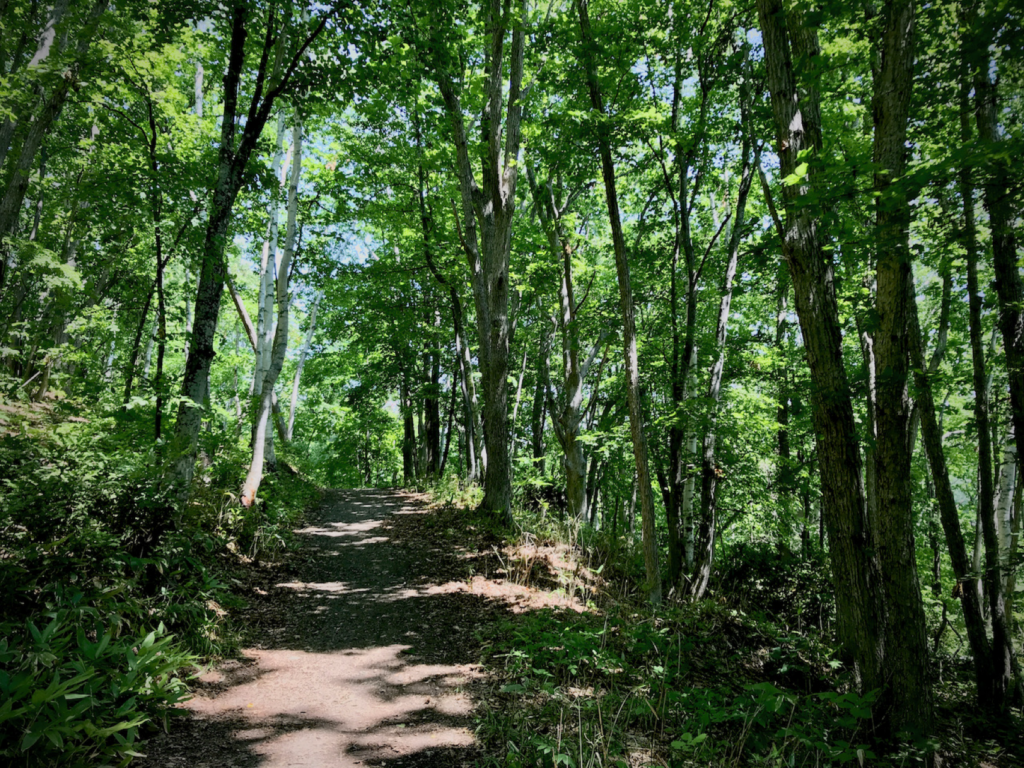
People often say that walking is different from taking a stroll… Though it seems pointless to argue over the differences in such similar movements. Walking is often likened to the process of human evolution. The only person who could stand and walk from birth was the Buddha; newborns can’t even stand yet. As children, running wasn’t a struggle; we felt as though we could run or walk forever. As we age—or perhaps it’s more accurate to say that our ability has declined as we’ve started using cars and other forms of transportation—we eventually lose the ability to walk. Ironically, it’s only after we can no longer walk that we realize how important it is. Today, I walked through the forest pictured here. It was about an hour spent truly appreciating the importance of being able to walk. The visual stimulation of nature’s changing scenery from a walker’s perspective was deeply soothing. People aren’t born able to walk, and eventually losing the ability to walk is simply part of life. I can’t help but feel there’s something fateful about it.
054
EV
Electric Vehicle
欧州では、2035年までに自動車製造のほとんどが、電気自動車に切り替わるという。つまりこのあと10年間で新車はすべて電気自動車になることになる。今までは遠い先の話だったことが、まさにものすごい速度でクルマが変わる時代になった。そのうちとか将来は…的な考えはもはや時代遅れかも知れない。ハイブリッド車は今でもたくさん走ってはいるが、所詮ガソリン車だ。問題はガソリンを使わない、ガソリンスタンドは充電スタンドになり、ガソリン車を利用し続けるとなると、ガソリンを売っているスタンドを探さねば、という時代になるということだ。クルマのスタイルや見かけが変わらないからといって、実は根底から変化している。自動運転もその変化を加速させるだろう。私はもう少し運転を続けようと考えているが、ふと考えると次はEVに乗っているのかも知れない。写真はハワイで8年前に私が初めて乗ったテスラのEV。勿論、エンジン音は全くしなかったのを憶えている。
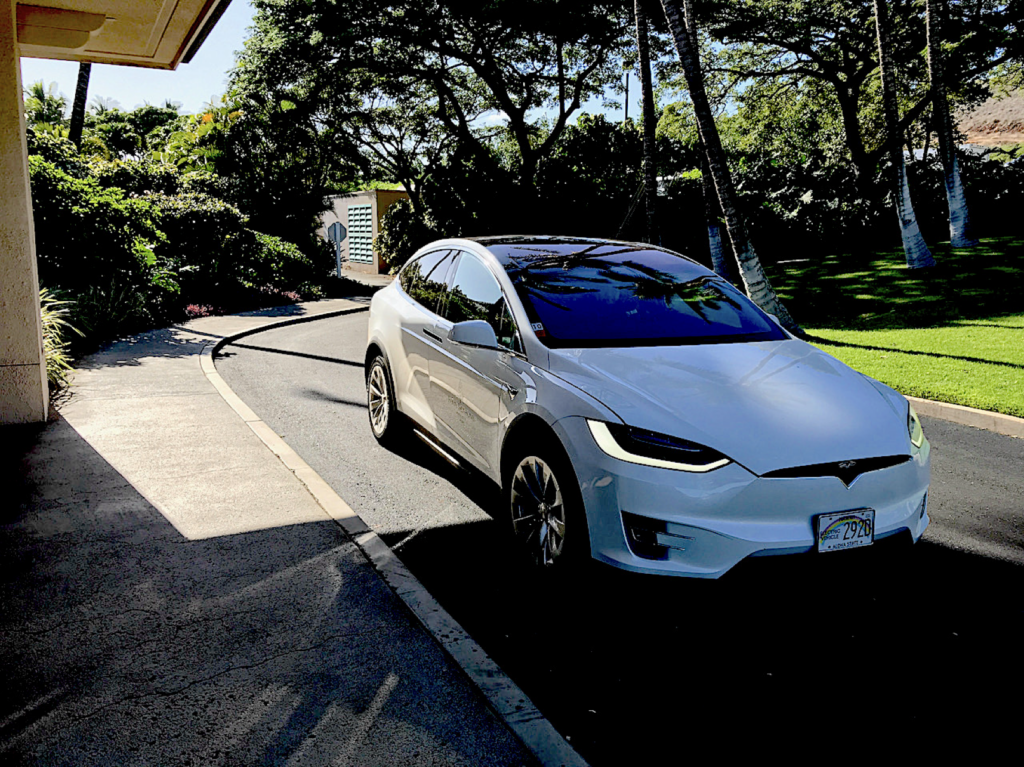
In Europe, it’s said that by 2035, nearly all automobile production will have shifted to electric vehicles. In other words, over the next 10 years, all new cars will be electric. What used to seem like a distant prospect has now become an era where cars are changing at an astonishing pace. Thinking in terms of “someday” or “in the future” may already be outdated. There are still plenty of hybrid cars on the road today, but at the end of the day, they’re still gasoline-powered vehicles. The issue is that we’re entering an era where gasoline won’t be used—gas stations will become charging stations—and if you continue to drive a gasoline-powered car, you’ll have to search for stations that actually sell gasoline. Just because the style and appearance of cars haven’t changed doesn’t mean they aren’t undergoing a fundamental transformation. Autonomous driving will likely accelerate this change as well. I plan to keep driving for a little while longer, but when I stop to think about it, I might very well be driving an EV next. The photo shows the Tesla EV I first rode in Hawaii eight years ago. Of course, I remember that it made absolutely no engine noise.
053
ブラウン管
cathode-ray tube
正式には、陰極線管と呼ぶそうだが、今でもCRTと呼ばれることがある。これは、陰極線管のcathode-ray tubeから由来する略語だ。ご存知の有名なYouTubeの名前はここから来ていて「あなたの陰極線管」てな訳だ。実際には数年前から廃棄処分が進み、どこの電気店でも姿を見ることはなくなった。今やレトロ品扱いになっている。発明者のカール・フェルディナント・ブラウンの名前がそのままブラウン管になったが、そろそろ液晶画面しか知らない世代が登場しつつあり、ブラウン管の向こう側に…などと言う言い方はこれからどう表現したら良いのか。単に画面の向こう側という、なんとも面白くない表現になるのかも。しかしYouTubeという名前の中には、きっと生き続けるだろうけど。
Officially, it’s called a cathode-ray tube, but it’s still sometimes referred to as a CRT. This is an abbreviation derived from “cathode-ray tube.” As you may know, the famous YouTube channel name comes from this—it basically translates to “Your Cathode-Ray Tube.” In reality, they’ve been phased out for several years now, and you no longer see them in any electronics stores. They’re now considered retro items. The name “CRT” comes directly from the inventor, Karl Ferdinand Braun, but with a generation that knows only LCD screens now emerging, I wonder how we’ll describe phrases like “on the other side of the CRT” from now on. It might just become the rather uninteresting expression “on the other side of the screen.” However, the name “YouTube” will surely live on.
052
カンバセーションピース
conversation piece
ほとんどの人が聞いたことがない言葉だと思う。思うと言っては失礼だろうか。きっと「それくらい知っているよ…」という人がいるかも知れないが。元々は美術用語だったそうだ。私もつい最近、アメリカのコロナ感染で苦しむ人の話題の放送の中で知った。それまで私が知っていた同じ意味の言葉は「トーキング・グッズ」だった。何となく和製英語っぽいが、つまり話題をつくるモノということだ。初対面での会話の時など、始めに何を話していいか分からないものだ。そんなとき、会話のきっかけを作ってくれる、いわば助け船的なモノたちのことを指す。ヨーロッパの貴族の社交界など会食の時、テーブルに乗っているちょっと変わった陶磁器が、会話の始まりだったなんてことも想像できる。珍しいモノやきれいなモノはどんな人も惹きつけるチカラがあるものだ。写真は陶器製の小さな小物入れだが、ワインとお皿を添えた小さな人物が蓋に飾られ、今にも何か言いたげなポーズで話題のきっかけを待っているようだ。
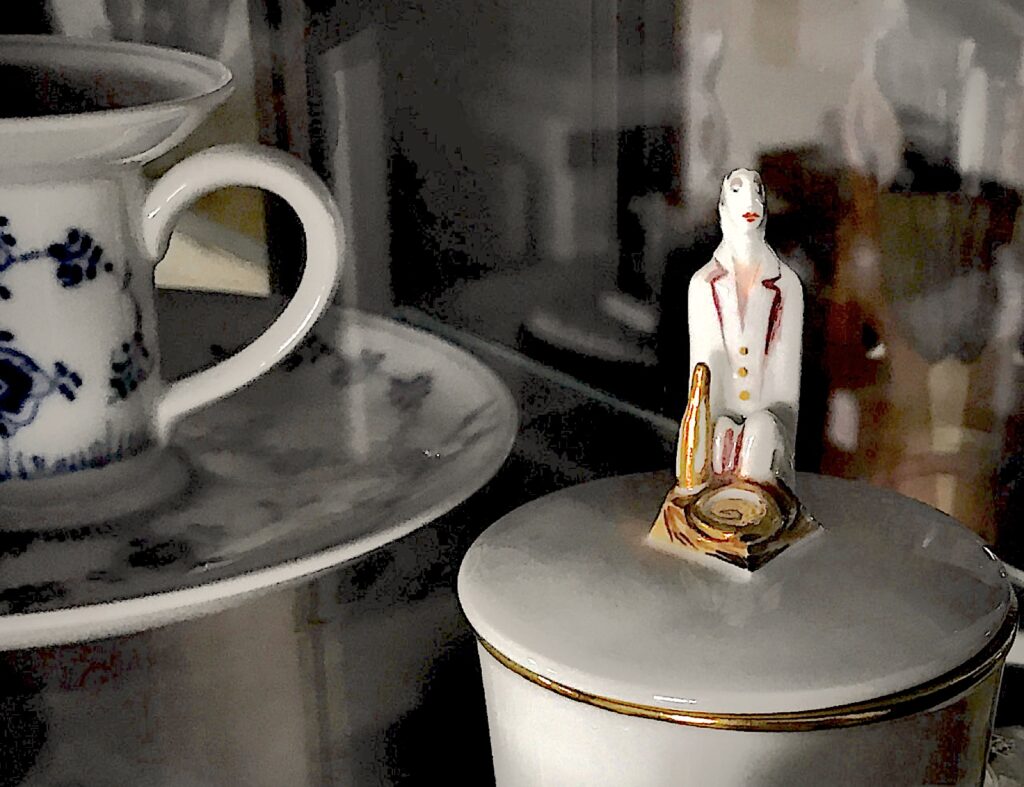
I think this is a term most people have never heard of. Is it rude of me to say that? There are probably some people who would say, “Of course I know that…” Apparently, it originally came from the world of art. I, too, only recently learned about it during a broadcast discussing people suffering from COVID-19 in the United States. Until then, the term I knew with the same meaning was “talking goods.” It sounds a bit like Japanese-style English, but it essentially refers to things that spark conversation. When having a conversation with someone for the first time, it’s often hard to know what to say at first. This term refers to those items that serve as a lifeline, so to speak, by providing a conversation starter. I can imagine that in European aristocratic social circles, during dinner parties, a slightly unusual piece of porcelain on the table might have served as the starting point for conversation. Unusual or beautiful objects have a way of drawing anyone in. The photo shows a small ceramic trinket box. A tiny figure, accompanied by a glass of wine and a plate, is adorned on the lid, striking a pose as if about to speak—as if waiting for a conversation starter.
051
GoPro
action camera
2002年頃から登場したこのカメラはすでに20年以上の歴史がある。一般にも知られるようになったGoProというカメラは初めはサーフィンを撮影するため創業者が考えたモノだった。生まれがスポーツに特化したカメラだったことから、その後スノーボードやマウンテンバイク、アクション性の高いスポーツ系用に進化していった。画質も年々上がり、テレビ放送にも十分耐えるものになってからは、今やこのカメラで撮影したテレビ番組や動画を見ない日はないくらいにプロの現場でも使われている。まさしく名前が目指すカメラになった。私もタイムラプスなどに使うが、一番印象的なのは、動画の目線がこのカメラの登場によって変わった、ということだろう。今までは体験者しか見られなかった、例えばスカイダイビングからの動画が、誰でも見られることだ。このカメラは、視線がそのまま動画になる強さを持っている。映像環境にこのカメラが果たした成果は大きい。これからはAIによる無人の動画が増え人間の視点をも超えていくことだろう。
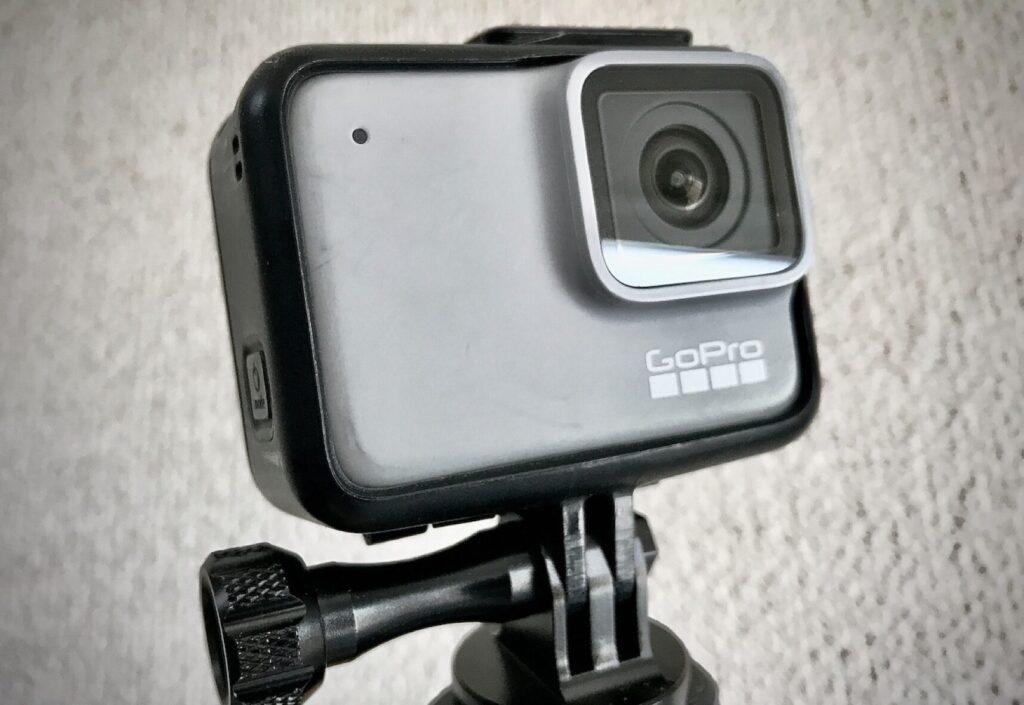
This camera, which first appeared around 2002, already has a history of more than 20 years. The GoPro—now widely recognized by the general public—was originally conceived by its founder as a way to film surfing. Since it was born as a camera specialized for sports, it subsequently evolved for use in snowboarding, mountain biking, and other high-action sports. Image quality has improved year by year, and now that it meets the standards required for television broadcasts, the camera is used extensively in professional settings—to the point where hardly a day goes by without seeing TV programs or videos shot with it. It has truly become the camera its name aspired to be. I use it for time-lapse photography myself, but what’s most striking is how the camera’s introduction has changed the perspective of video. Videos that were previously only accessible to those who experienced them firsthand—such as footage from skydiving—are now available to everyone. This camera has the power to turn a person’s line of sight directly into video. Its impact on the world of video has been immense. Going forward, we’ll likely see an increase in AI-driven, unmanned video production that goes beyond even the human perspective.
050
箸置き
Chopstick rests
食の文化が激しく変化している。たぶん食べること自体はそれほど変わってはいないと思うが、食べ方やら食事の周辺環境は激変している。昔から食事の時、個人のご飯茶碗がなくなったら、日本の食文化は、新たな時代に入るだろう、と思ってきた。うまく説明できないが、食卓で個人個人の食器の区別がなくなり、箸や主食の茶碗が共用されたとき、それまでの食文化は別な意味を持ち始めるだろうと。個食の時代とも言われる今だが、たとえ一人で食べる行為でも、食べ物に対しての感謝や作った人への気持ちを考えることは出来る。また、自分自身に対して食べるという行為をエサと区別できる最後の行為が食事というものなのだろう。食べることは生きることそのものだ。それでもただ生きるのか、そこに生き方や社会性や食を文化まで高めてきた先人の知恵や工夫を感じながら食べることは、それもまた人として生きることに繋がるのだろう。箸置きは食の作法から無言でそれを教えてくれている気がする。
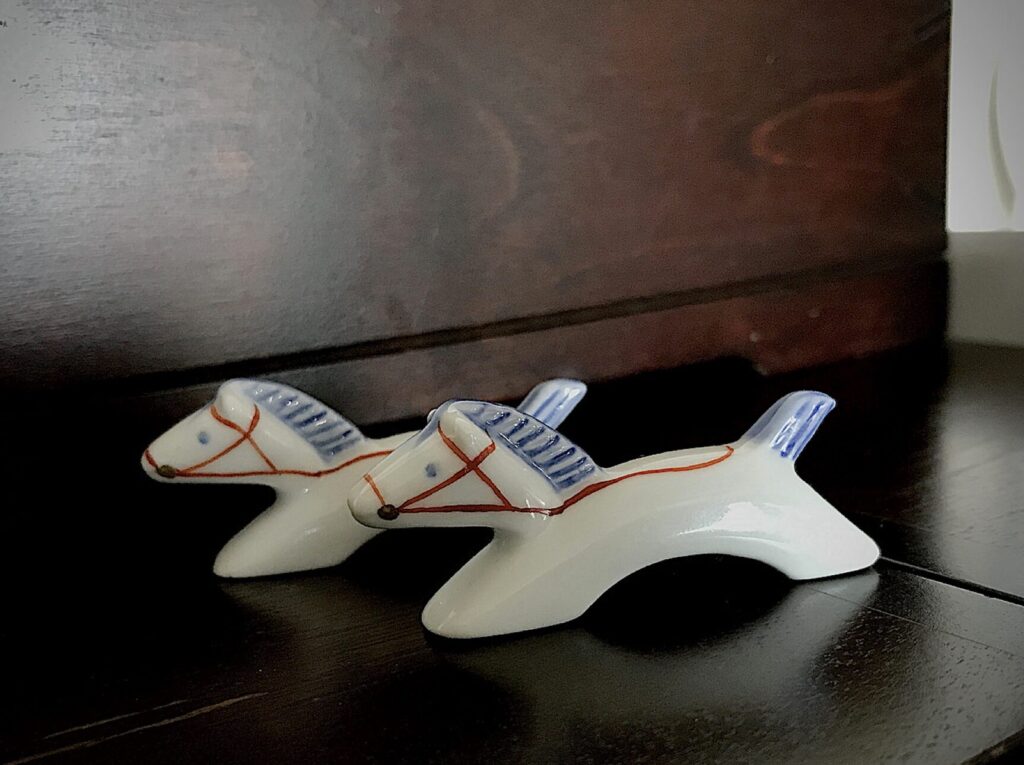
Food culture is undergoing rapid change. I don’t think the act of eating itself has changed that much, but the way we eat and the environment surrounding meals have undergone drastic changes. For a long time, I’ve believed that when individual rice bowls disappear from the dining table, Japanese food culture will enter a new era. I can’t explain it very well, but I feel that when the distinction between individual tableware at the dining table disappears—and chopsticks and rice bowls are shared—the food culture as we’ve known it will begin to take on a different meaning. We are now said to be in the “era of individual dining,” but even when eating alone, we can still feel gratitude for the food and think about the people who prepared it. Furthermore, a meal is likely the last act through which we can distinguish the act of eating from mere feeding. Eating is life itself. Yet, is it merely a matter of surviving? Or does eating—while appreciating the wisdom and ingenuity of our ancestors, who elevated our way of life, social interactions, and food to the level of culture—also connect us to what it means to live as human beings? I feel that chopstick rests silently teach us this very lesson through the etiquette of eating.
049
アップルグッズ
Apple Goods
なぜか、アップルグッズを集めてしまった。世界中にアップルやMacファンはたくさんいるが、その人たちがすべてアップルグッズを集めているかと言えばそうではない。やはりその中で一部の人たちだろう。中にはアップルファンではなくても持っている人もいるかも知れない。それくらいアップルグッズの人気は今でも高い。確かにアップル製品を買うと、今でもリンゴマークのシールが製品と一緒に箱に入っている。なぜシールなのかは、調べてはいないが、iPhoneでもAppleWatchでも、最近のM1チップのiMacでさえ、製品と一緒に同梱されている。昔、色んな製品にワッペンやらシール、しおりなどが販売促進用として入っていた時代があったが、これほどシェアをつかんでいる世界企業のアップルが今もシールを配っているのは、逆に面白いと言えよう。ただ、集めている人たちから言うとシールよりは、オールドMacあたりのビンテージっぽいグッズの方が人気は高い。ノスタルジーなのか、違った意味で新しいのかよく分からないが、コレクターは減ってはいない。
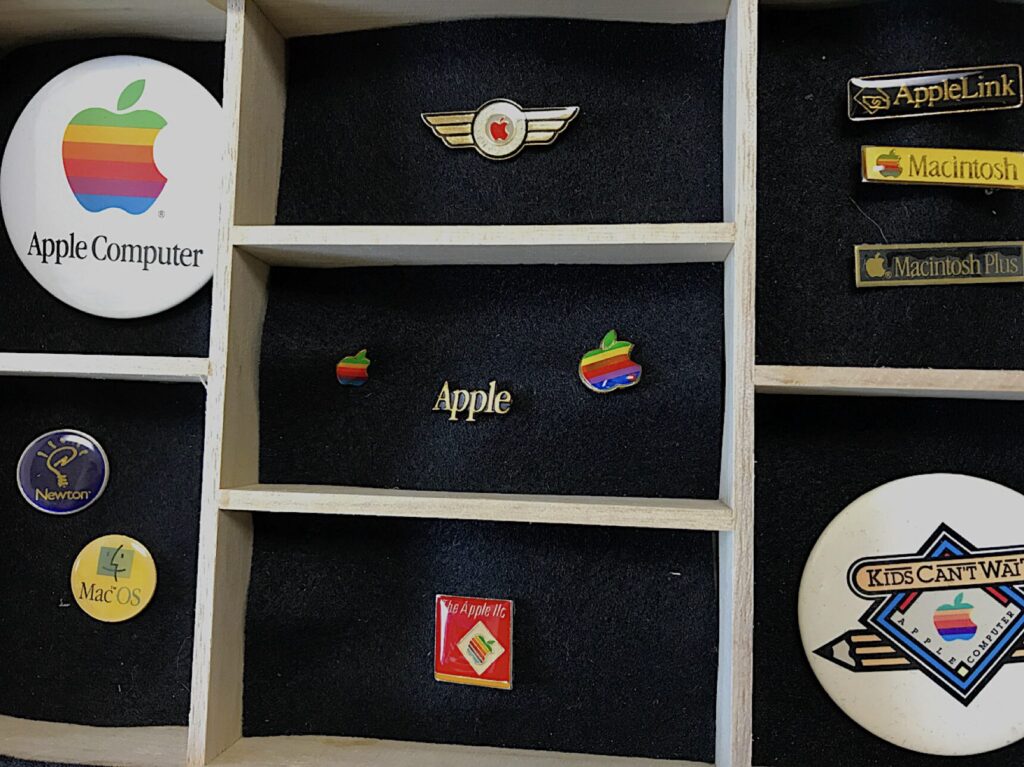
For some reason, I’ve ended up collecting Apple merchandise. While there are many Apple and Mac fans around the world, not all of them collect Apple merchandise. It’s probably just a subset of them. Some people might even own these items without being Apple fans at all. That’s how popular Apple merchandise still is today. Indeed, when you buy an Apple product, you’ll still find a sticker with the Apple logo inside the box along with the product. I haven’t looked into why they include stickers, but whether it’s an iPhone, an Apple Watch, or even the latest iMac with the M1 chip, they’re always included with the product. There was a time long ago when various products came with patches, stickers, bookmarks, and the like as promotional items, but it’s actually quite interesting that Apple—a global corporation with such a dominant market share—is still giving away stickers today. That said, from the perspective of collectors, vintage-style items like old Macs are more popular than stickers. Whether it’s nostalgia or something new in a different sense, I’m not entirely sure, but the number of collectors isn’t decreasing.
048
海辺のアート
Seaside Art
たまたま海岸を散歩する機会があった。何気なく打ち寄せる波に沿って海岸を歩いていると目の前に流木が作る形が現れた。ここが美術館ならまるでアート作品だ。偶然にしろ誰かがいたずら半分にせよ実に見事なインスタレーションだった。そこからしばらく歩くと他の場所にも様々な流木が作る形が見られ、あっという間に2キロ以上歩いてしまった。流木の肌は白く、硬く、長い年月を経て流れ着いたものに見える。どこから来たのか、またどれだけの時間を漂流していたのか、そんなことを考えながらのウォーキングの時間は、今までに経験したことの無い不思議な時間だった。流れ着くものが運んでくれる物語や時間は、想像力を豊かにしてくれる。昔、伊良湖岬の恋路ヶ浜を歩いたことがあったが、椰子の実を見つけることはできなかったが。
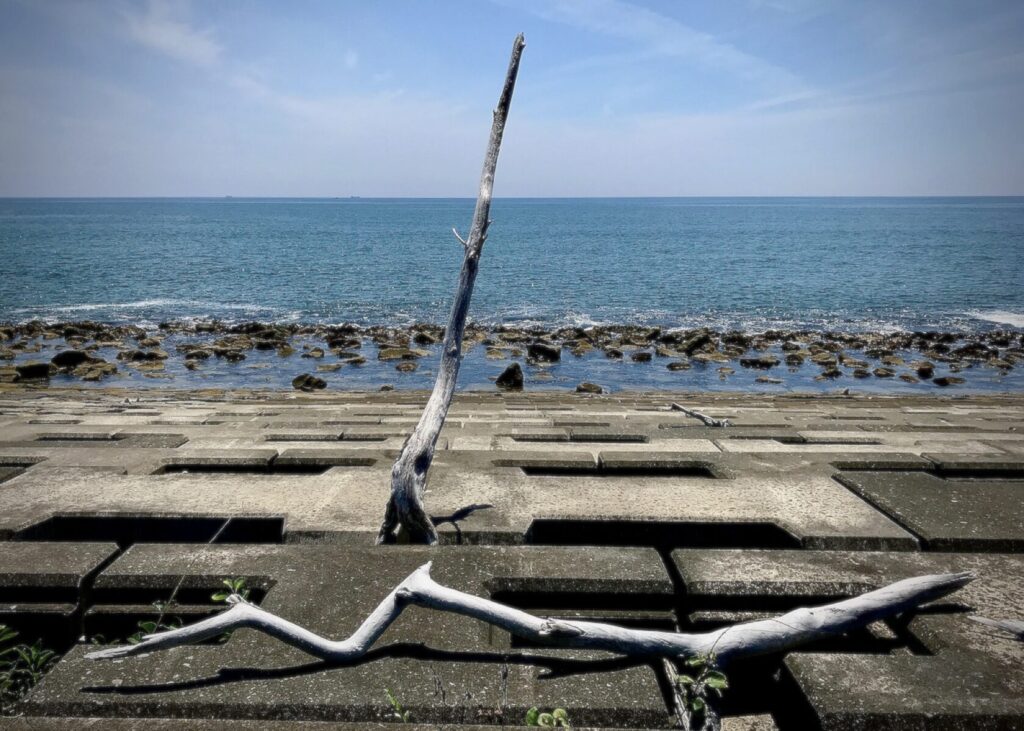
I happened to have the chance to take a walk along the beach. As I strolled along the shore, casually following the rhythm of the waves, a shape formed by driftwood appeared right before my eyes. If this were an art museum, it would look just like a work of art. Whether it was a coincidence or someone’s playful prank, it was a truly magnificent installation. After walking a little further, I saw various other shapes formed by driftwood in different spots, and before I knew it, I had walked over 2 kilometers. The driftwood’s surface was white and hard, looking as though it had drifted ashore over many long years. Pondering where it came from and how long it had been adrift, I found myself experiencing a mysterious sense of time unlike anything I’d ever felt before. The stories and the passage of time carried by these driftwood pieces truly enrich the imagination. I once walked along Koijigahama Beach at Cape Irago, though I didn’t manage to find any coconuts there.
047
ユニセフ募金
UNICEF Fundraising
ときどき買物に行く生協の売り場の片隅に「ユニセフ募金」というコーナーがある。使わなくなった服や食器、身の回りのもの、本類などが置かれていて、欲しい人は小銭を募金箱に入れる仕組みだ。私も通りかかったときに手に取ったりするが、先日そこで10年前に発行されたパソコンの便利なガイドブックという雑誌を見つけた。「iCloud使いこなしガイド(三才ブックス)」という雑誌だ。どちらかと言うと秋葉系のオタク雑誌をメインに発行している小さな出版社の本だが、1980年ころからというけっこう歴史は古く、当時のデジタル事情を調べるのにちょうどいい資料だ。写真はプーさんの玉乗りのおもちゃ。これも同じコーナーの隅に置かれていた。あちこち擦れていて、おそらく遊んだ後に使われなくなり、誰かが置いていったものだと思う。このコーナーは通常の売り場と違って、意外なモノが並んでいたりするのがけっこう面白い。
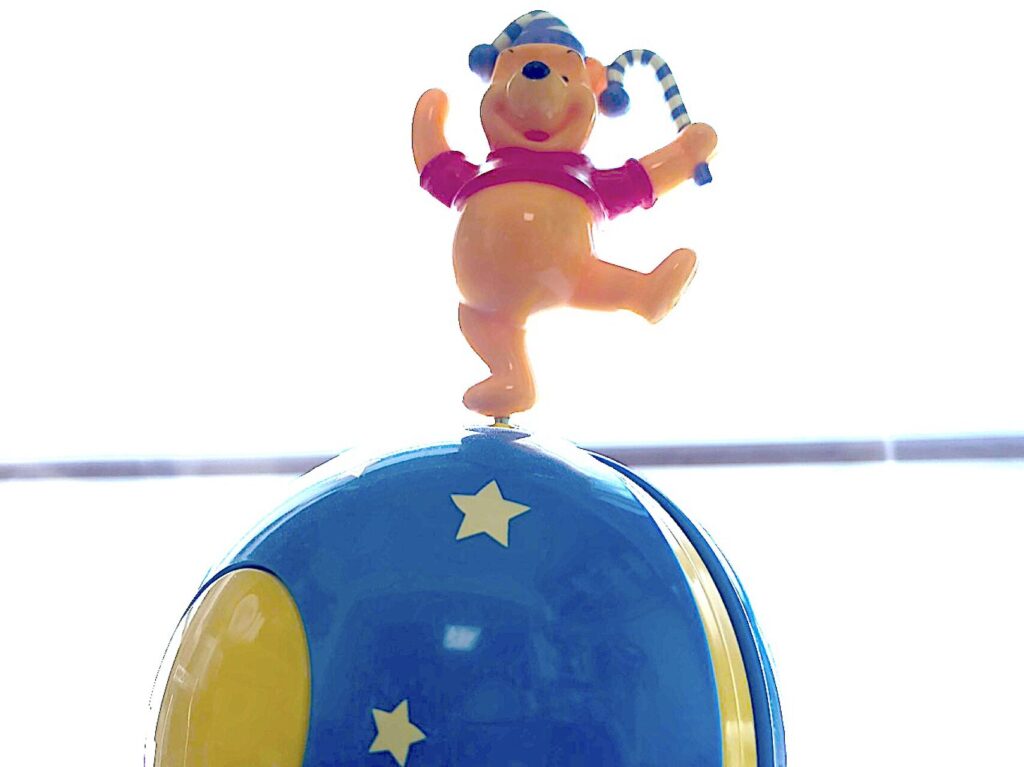
In a corner of the co-op where I occasionally go shopping, there’s a section called “UNICEF Donations.” It features items like unwanted clothes, tableware, personal belongings, and books, and the system works so that anyone who wants something simply drops some loose change into the donation box. I sometimes pick up items there when I’m passing by, and the other day I found a magazine published 10 years ago—a handy guidebook for computers. It’s called iCloud Mastery Guide (Sansai Books). It’s published by a small publisher that mainly puts out Akihabara-style otaku magazines, but it has quite a long history dating back to around 1980, making it a perfect resource for researching the digital landscape of that era. The photo shows a Winnie the Pooh ball-balancing toy. This was also placed in a corner of the same section. It’s scuffed in several places, so I imagine it was played with for a while before being abandoned and left there by someone. Unlike the regular sales floor, this section is quite interesting because you often find unexpected items lined up there.
046
シミュラクラ現象
simulacra
きっと誰でも経験していることだと思うが、日常の小さな出来事の中には興味深いものもある。例えば写真を見ていただこう。何気ないどこにでもあるような街の住宅街の風景だが、実は気がつかない人は多い。しかし、この小さな日常に潜む不思議に気がつくと。急に現実が現実として成立しなくなり、不思議の世界に入り込む。表題のミシュラクラ現象やパレイドリアと呼ばれる現象が有名だ。風景の中に顔を見つけたり、雲の形が動物に見えたりと、色々なものに見えてくる現象は意外と多い。昔から宗教的なチカラに結びついたり、予言や信仰にも登場している。人の脳が作り出すと言われるが、近年はコンピュータビジョンプログラムでディープドリームなども話題になった。AIの開発は実は自分たちの脳の解明に他ならない。人の脳が起こす様々な現象からAIはより人への進化を続けるのかも知れない。
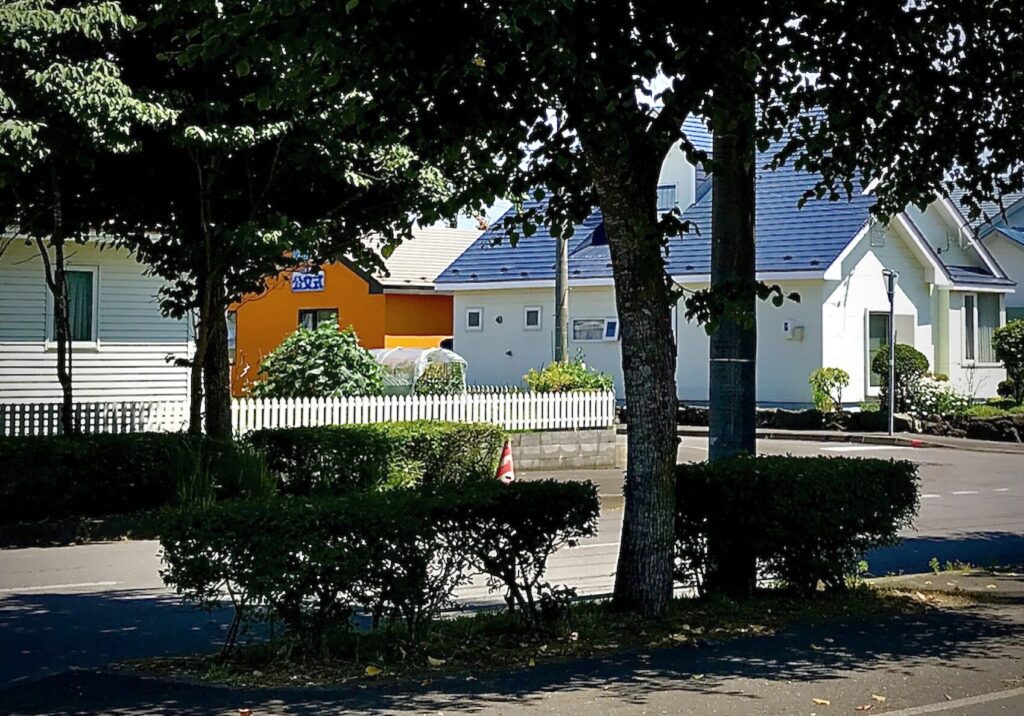
I’m sure everyone has experienced this, but there are some fascinating things hidden in the small events of everyday life. For example, take a look at this photo. It’s an ordinary, run-of-the-mill scene from a residential neighborhood, but many people actually fail to notice it. However, once you become aware of the mystery lurking in this small slice of everyday life, reality suddenly ceases to feel like reality, and you find yourself drawn into a world of wonder. Well-known examples of this include the Mishlakra phenomenon mentioned in the title and a phenomenon called pareidolia. There are surprisingly many instances where we perceive various things—such as spotting a face in a landscape or seeing an animal shape in a cloud. Since ancient times, these phenomena have been linked to religious powers and have appeared in prophecies and beliefs. While they are said to be created by the human brain, in recent years, computer vision programs like “DeepDream” have also garnered attention. The development of AI is, in fact, nothing less than an effort to unravel the mysteries of our own brains. Perhaps AI will continue to evolve toward becoming more human-like, drawing on the various phenomena generated by the human brain.
045
杖
cane
誕生日に欲しいものはと聞かれたので「杖」を買ってもらった。そう書くと「どこか悪いの?」と言う声が聞こえてくるが、別に普通に歩けると思う。ただ、そろそろ杖の使い方を覚えようかと思い、マイ杖を持とうと思っただけだ。でも世間の目から見ると、どこも悪くないのに杖を持つ、と言うことが不自然に思えるらしい。つまり、歩くのが難しい人が使うものと。杖とはそんなイメージが一般的になっているようだ。しかし、驚くなかれ、そんな考えは完全に否定されるほど杖の世界は、想像を超えている。権威の象徴として王が持つ杖、錫杖と言われる修行僧や修験者が使う杖、遍路道で使う金剛杖、登山の時の杖、マジシャンや魔術で用いられるケーンと呼ばれた杖、日本武術にも登場する杖術、ご存知、医療で利用される歩行杖、白杖、松葉杖、黒檀や象牙で装飾された礼装時の帽子と杖、RPGゲームの定番アイテムとしての「ワンド」「ロッド」と呼ばれる杖、なんとオーケストラの指揮者の「タクト」も杖が起源とか。日本でも明治、大正時代に杖を持つことが大流行したことがあった。どうだろう、まさに文字の記録以前から存在した、まさに人が使う道具のスタンダードだ。転ばぬ先の杖と先人も言い残している。転んでからは遅いのだ。
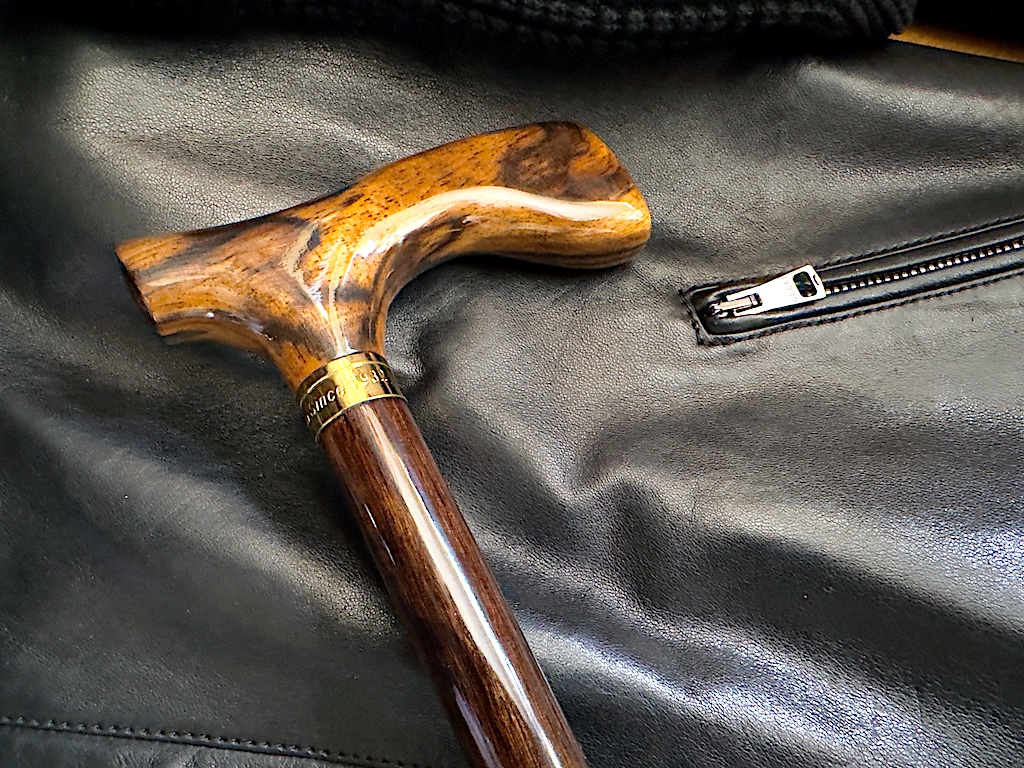
When asked what I wanted for my birthday, I asked for a “cane.” Writing that makes me imagine people asking, “Is something wrong with you?” but I actually think I can walk just fine. I just figured it was about time I learned how to use a cane, so I decided to get my own. However, from the public’s perspective, it seems unnatural to carry a cane when there’s nothing wrong with you. In other words, people generally think of canes as something used by those who have difficulty walking. That seems to be the common perception of canes. But, believe it or not, the world of canes is so vast that it completely defies such assumptions. There are the scepter-like canes held by kings as symbols of authority; the “shakujo” used by ascetic monks and Shugendo practitioners; the “kongō-zue” used on pilgrimage routes; hiking poles; the “cane” used by magicians and in magic tricks; the staff techniques featured in Japanese martial arts; and, of course, the walking canes and white canes used in medical settings, crutches; the hats and canes adorned with ebony or ivory worn with formal attire; the “wands” and “rods” that are staple items in RPG games; and, believe it or not, even the orchestra conductor’s “baton” is said to have originated from a cane. In Japan, too, carrying a cane was all the rage during the Meiji and Taisho eras. What do you think? It’s truly a standard tool used by humans, one that existed even before written records. As the old saying goes, “Better safe than sorry.” It’s too late once you’ve already fallen.
044
甘さ控えめ
mildly sweetened
いつの頃からか、控えめ表現が多くなった。高血圧の原因は塩分の取り過ぎ、または高血圧を加速するなど、塩分が敵視されてきたが、たぶんそれは事実なんだろうと思う。ただ一方で過度の心配から適切な必要塩分不足もささやかれている。一体自分たちはどちらへ向かうのだろうという疑問も出てくる。当然、適切な量を摂取すれば、という答えが返ってくるだろうけど、それが分からない。あるいはどこまで控えれば良いのかさえつかめないのが現状だ。そんな中で「控えめ」表現が効いてくる。写真のように甘さ控えめのお菓子が売られているのは日常になってはいるが、甘くないようかんは羊羹なんだろうか。何度か控えめと言われる商品を食べてはみたが、何となく中途半端な味だった。健康のために味覚文化も変わっていくのだろうか。そして健康にあまりよくない事はすべて消えてゆくのだろうか。
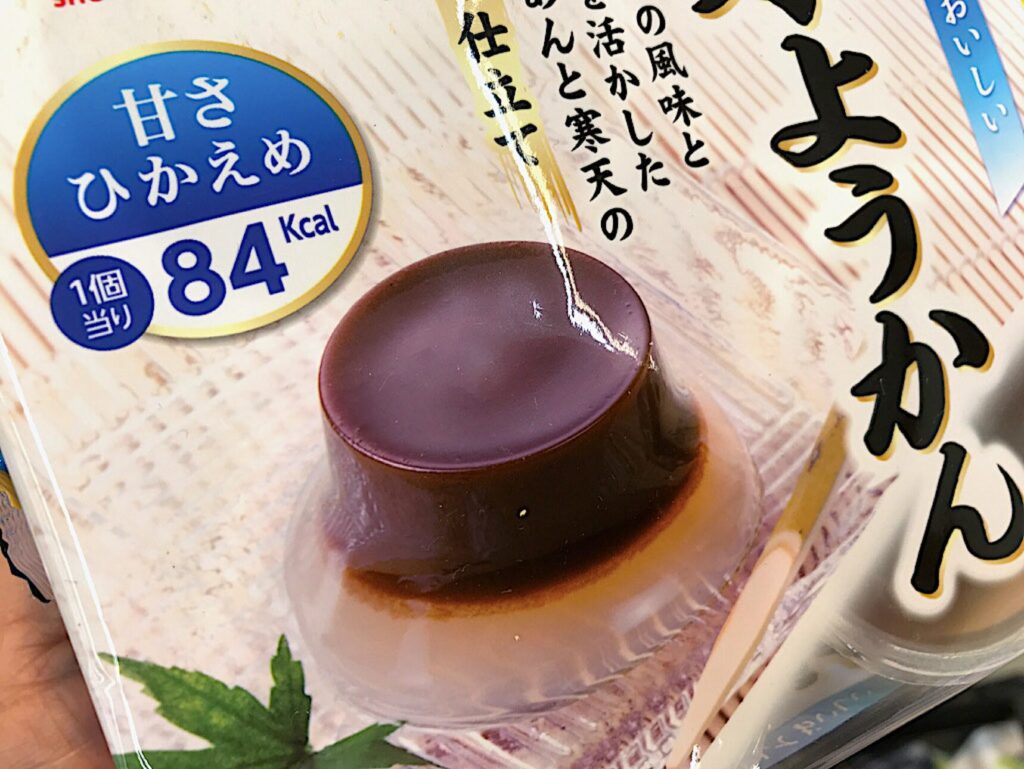
At some point, “moderate” became a common term. Salt has long been viewed as the enemy—cited as a cause of high blood pressure or as a factor that accelerates it—and I suppose that’s probably true. On the other hand, however, there are also concerns that excessive caution might be leading to a deficiency in the necessary amount of salt. This raises the question: Which direction should we actually be heading? Of course, the answer would likely be, “As long as you consume the appropriate amount,” but I don’t know what that is. In fact, the reality is that I can’t even grasp just how much I should cut back. In this context, the term “moderate” comes into play. While it’s become commonplace to see sweets labeled “moderately sweet” on store shelves, as shown in the photo, I wonder if a yōkan that isn’t sweet can still be called a yōkan. I’ve tried several products described as “moderate” a few times, but they all tasted somewhat half-hearted. Is our culinary culture changing for the sake of health? And will everything that isn’t particularly good for our health eventually disappear?
043
レコード
Record disc
針を落とす…という表現はもう使えないかも知れない。昔はあたりまえ。少し前まではそう言えば通じたが今はもう死語に近い。レコードがたどってきた歴史は、これからどう変わっていくのだろうか。新たな進化も、もしかすると始まり、付加価値として特別なアナログ音源が大切にされるのかも知れない。針がレコード盤に降りた瞬間の「ボッツ」という音。そして無音の間の「シュアー」っという音。本当はノイズと呼ばれ音楽ファンにとってはマイナスイメージだったものが、逆にレコードにしか出せない音となった。大事に思い出のレコードを持っている人も多いだろう。音をモノとして保存する、また音源に触れる魅力。茶道での所作に似たレコード再生は新たな視点でこれから見直されるのかもしれない。音楽を愛する心と共に。映画メカニックの中で、主役のジェイソン・ステイサム演じる凄腕の殺し屋アーサーが、隠れ家で大切にしているレコードプレーヤーがある。弟子のスティーヴには触らせない。その理由は…。興味がある方はご覧になっていただきたい。
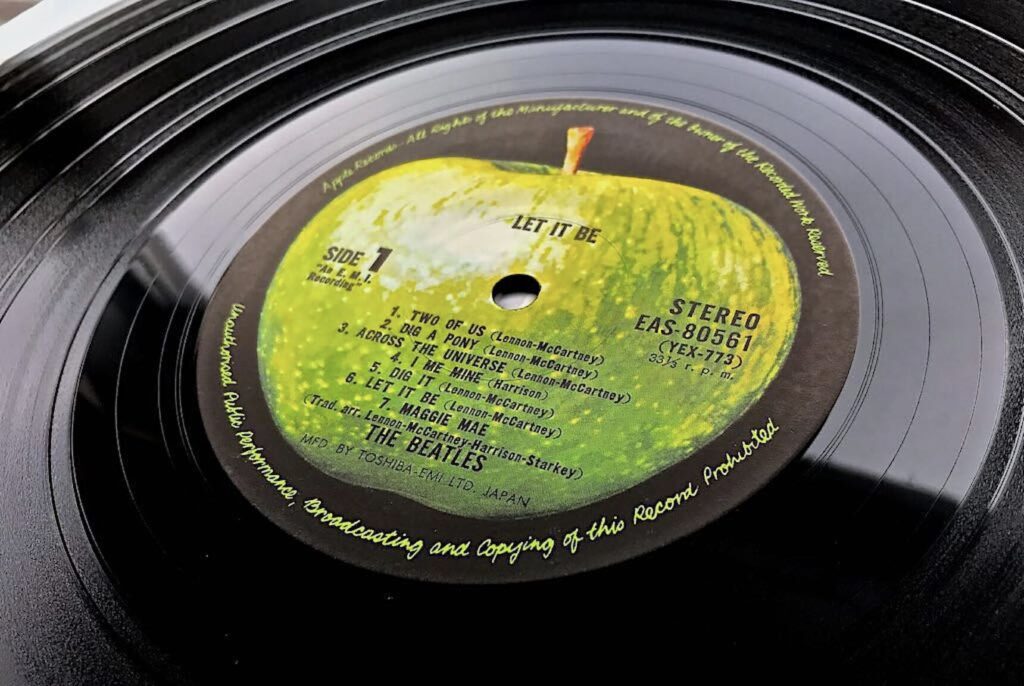
The expression “dropping the needle” might no longer be in use. It used to be commonplace. Until recently, saying that would have been understood, but now it’s almost a dead term. How will the history of vinyl records change from here on out? Perhaps a new evolution is just beginning, and special analog recordings might come to be cherished for their added value. The “thud” of the needle landing on the record. And the “hiss” during the moments of silence. What was once called “noise”—and had a negative connotation for music fans—has, conversely, become a sound that only vinyl can produce. Many people likely cherish vinyl records filled with memories. The appeal of preserving sound as a physical object, and of physically interacting with the source material. Playing a record, with its rituals reminiscent of the tea ceremony, may be reevaluated from a new perspective in the future—alongside a love for music. In the movie The Mechanic, the protagonist Arthur—a master assassin played by Jason Statham—has a record player that he treasures in his hideout. He won’t let his protégé, Steve, touch it. The reason is… If you’re curious, I encourage you to watch the film.
042
本人確認 3
Identity
同じテーマで3日も続けているが、簡単なテーマではないので勘弁してもらいたい。本人を確認する簡単な方法は誰も知らないと書いた。つまり原点から考えてみるとそれだけ難しいということなのだろう。自分が自分であることを証明することが、実は難しいことなのだと。ましてや他人に証明することは同じく難しいのだ。そんなに難しく面倒ならしない方がいい、と簡単にはいかない。なぜなら今というデジタルデータで物事が廻っている時代では避けて通れない課題だからだ。とりあえずは確認するすべを持たなければ、買物すら出来なくなってきている。何とも面倒な時代だと思う。今までは、容姿や名前、服装など、アナログで記憶できたものが、たとえ分かりきっている人であっても本人確認を求められるのだ。そして相手も分かっていても何か証拠を示してもらわないと、次へ進めないやっかいな仕組みになっている。もちろんその仕組み自体にも問題があるのだが。
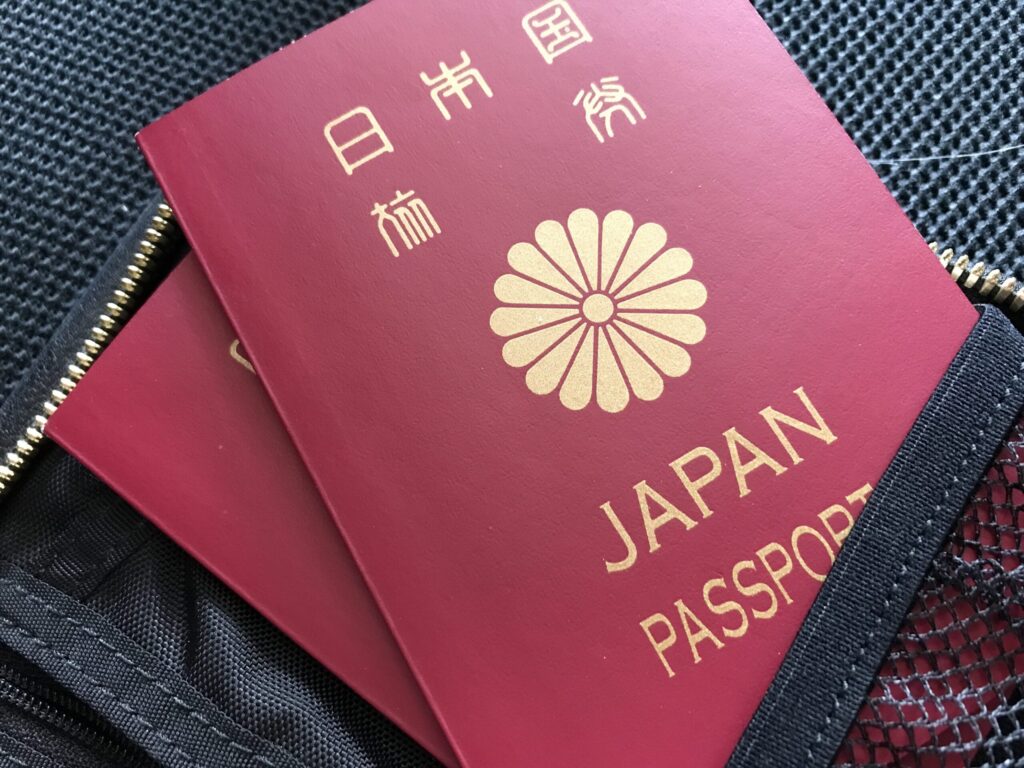
041
本人確認 2
Identity
データについては実はひとつの分野が出来るほど幅が広い。何だってデータだと言えば言えなくもないがそれでは実態がつかめない。でもたとえそうであっても、今は真剣に考えないとならない時代になっている。たとえば生年月日という本人確認にも使われるデータを考えると、よく誕生日の月日はパスワードには絶対に使うなと言われるのは、パスワードとしてはあまりにも貧弱で鍵の役目をはたせないからだ。確かに覚えやすく本人しか知らないような気がするが、たとえば2026年で計算すると1月1日から数えて365個しかない数なのだ。日本の人口から考えるといかに少ない数なのかわかるだろう。2026年度の全人口は、1億2,293万人だそうだ。ざっと計算すると同じ誕生日の人が約33万6千人いることになる。もちろんバラつきはあるだろうけど、33万人がおなじ数字だとしたら、パスワードにはならない。まして個人を特定もできないことになる。年号を足せば少しはばらけるが。じゃあ、どうすれば個人を特定できる確実で簡単な方法があるのだろうか。実は恐ろしいことに誰もその答えを知らないのだ。
040
本人確認 1
Identity
現実問題なのに真剣に考えようとしないことがある。本人確認もそのひとつだと思う。例えば自分自身を相手に証明するにはどうしたら良いだろう。ずっと以前なら、そんなことは、ばかげたことで誰も真剣には考えなかったと思う。しかし現在は、笑って済まされなくなっている。健康保険証、運転免許証、クレジットカード、パスポート、マイナンバーカードなど何らかの証明書と言われるものは確かにあるが、それが本当の意味で本人確認になるのだろうか。それらはただの証明書にすぎない。いくらでも複製を作る事も出来る。じゃぁ、身体情報はどうだろう。証明になるのでは…。身長、体重、血液型、病歴や、目の光彩や指紋などいくつかの情報をあてはめれば、二人といない本人証明になるだろうか。だが落とし穴は、それらの多くは数字などのデータに置き換えられたものだ。経過誤差もあるかもしれない。網膜や指紋は確実性がありそうだが、それも実はデーターベースでしかない。続きは明日書こう。
039
花
blooms
こんなテーマで話になるのか分からないが、とにかく書いてみる。基本的に花には興味がない方かも知れない。嫌いでもないが、育てるほど好きでもない。つまり普通という曖昧な感じだと思う。ただひとつ意識しているのは、花と人の関わりというか、花と人間が作ってきた文化みたいなことは常に意識している。たとえば人が花に託す気持ちの表現とか目に見えないものを伝える花という存在だ。生け花が空間を演出して言葉ではない何かを生み出す力。単に癒やしとしての花ばかりではなく、生命の姿や枯れゆく姿など、寄り添う存在としての花には惹かれる。それと、昔から花を贈るのが好きだった。相手は男女を問わない。花には気持ちを込められる強い力があるように思えるからだ。男も、花を飾り身につけることも重要なことだと思う。そしてそれにはまず、花が似合う人にならなければならないのだ。
038
キャンプ
camp
昔はよくキャンプへ出かけた。30数年前だからキャンプブームの始まりの頃だったろうか。慣れないテント張りや、炊事道具の用意、何を料理してよいやら、キャンプ場は、まるで避難生活をしているかのような、とても今のようなオシャレな風景じゃじゃなかった。その頃、凝り性だった私は当時はまだ名も知られていなかったコールマンのキャンプ道具を買いそろえ、どうせならと楽しく過ごせる工夫を考えた。ホワイトガソリンのツーバーナーのコンロ、空気圧で数時間持つランタン、今じゃあたりまえだが、パイプで支えるテントなど、その時はできる限り新しいキャンピング道具をそろえた。おかげで今でも多少修理はしているが、現役として使える道具たちがある。逆に、今ではアンティークとして人気が出てきた。ただ、シンプルだが、これだけはそろえたいのは、ナイフだ。十徳ナイフでなくても良いが、せめてしっかりとした実用ナイフは欠かせない。写真の愛用品は数十年前から使い続けているスイス製のもの。もとは兵士の携行用のナイフだった。ナイフ一本で生死を分ける場面で使われてきたものだ。でも私は、出来ればコルクスクリュー付きで、たき火を眺めながらワインが楽しめるというのが最高なんだが。
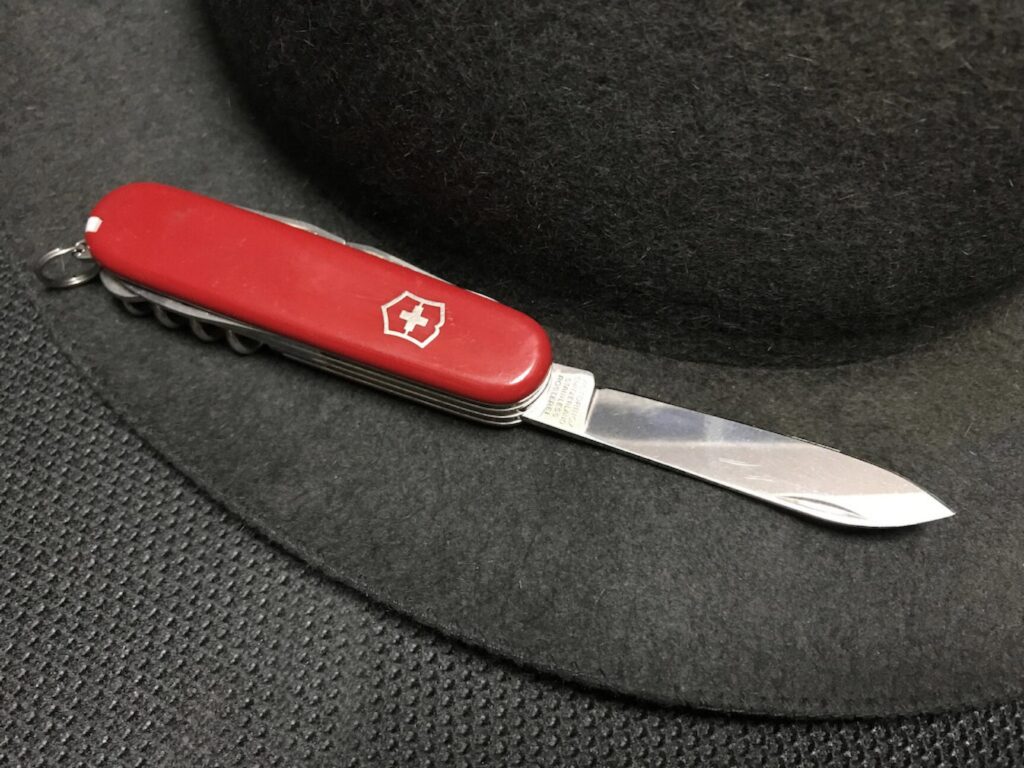
037
バスケットシューズ
Basketball Shoes
私の大学時代にスニーカーが登場するが、その頃履いていた靴と言えば、ほとんど毎日バスケットシューズだった。しかもロングタイプでくるぶしまである靴だ。運動もしないのになぜ履いていたのか、おそらく室内も靴を履いたままだったし、行動しやすかったのだと思う。それまでの高校生活はズック靴が主流。バスケットシューズは確かに普通の運動靴よりは値段が高かったが、軽くて長持ちした。会社勤めになってからは、もちろんバッシューは履けない。大学時代の時の懐かしい思い出だ。写真のバスケットシューズは、ジョーダン・ブランドの「NIKE JORDAN B’LOYAL 315317 161」というモデル。2007年製でエアジョーダン6を未来風なシューズにデザインしなおしたモデルだ。会社をリタイアしてから、ふとデザインが気に入って手に入れた。70過ぎたジイサンが履く靴でもないが、この靴に惹かれたのは、きっと大学時代の思い出がどこかに隠れていたのだろう。19年以上経つが、そのデザインは色あせない。
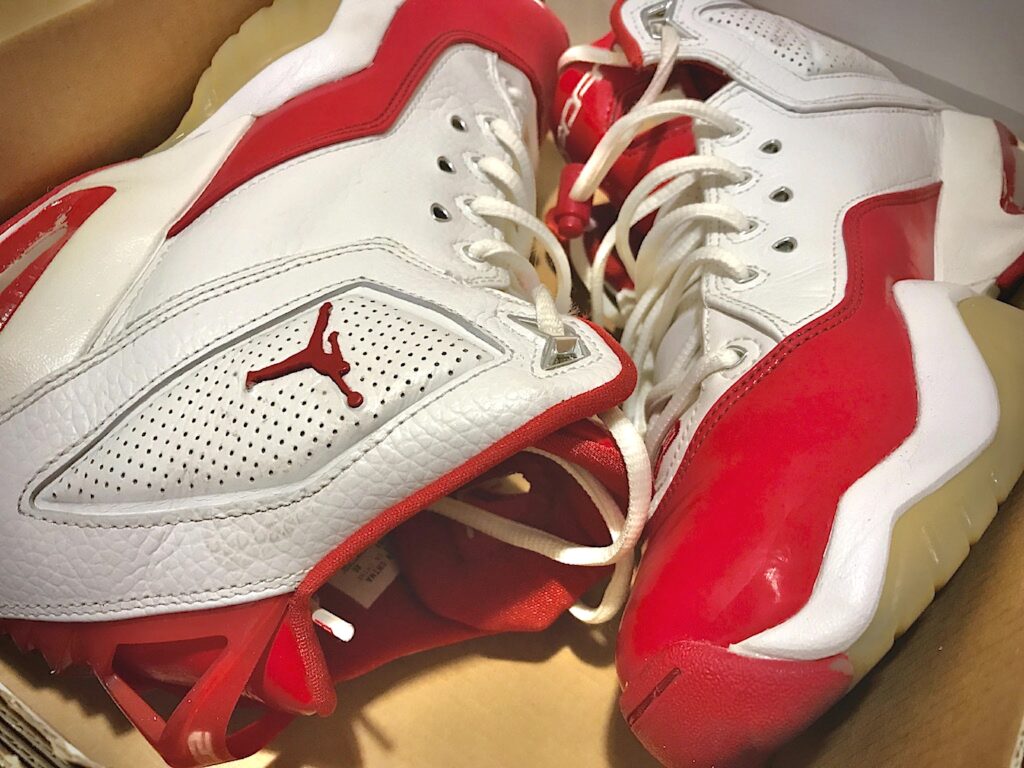
036
靴べら
shoehorn
昔から靴を履くことがヘタだった。子どもの頃は、ゴムの短靴や長靴ばかりはいていたので、ヘタでもかまわなかった。靴べらを持ち始めたのは、仕事をし出した頃からだと思う。背広やネクタイのスタイルだと革靴が主流になるのでかかとを踏んだまま、という訳にはいかない。しかも、学生の頃はバスケットシューズをきっちり足首までひもで締めて履いていたので、やはり革靴とは縁がなかった。その頃の若い学生は、ズック靴のかかとを踏んづけて履いていたが、自分はなぜかその中途半端の履き心地がいやだった。もちろんスニーカーなどはなかった時代だ。写真の靴べらは屋久島へ行ったときの記念で自分用に買ったもの。樹齢千年経たないと屋久杉と呼ばないと言われ、乱伐で大きな木がなくなりもう切ることが出来ないらしい。この靴べらの屋久杉は建材にはならない根の部分を利用したものだ。杉なので軽く、明るい色でしかも木目がしまっていて使い心地はいい。靴べらにはもったいないくらいだ。
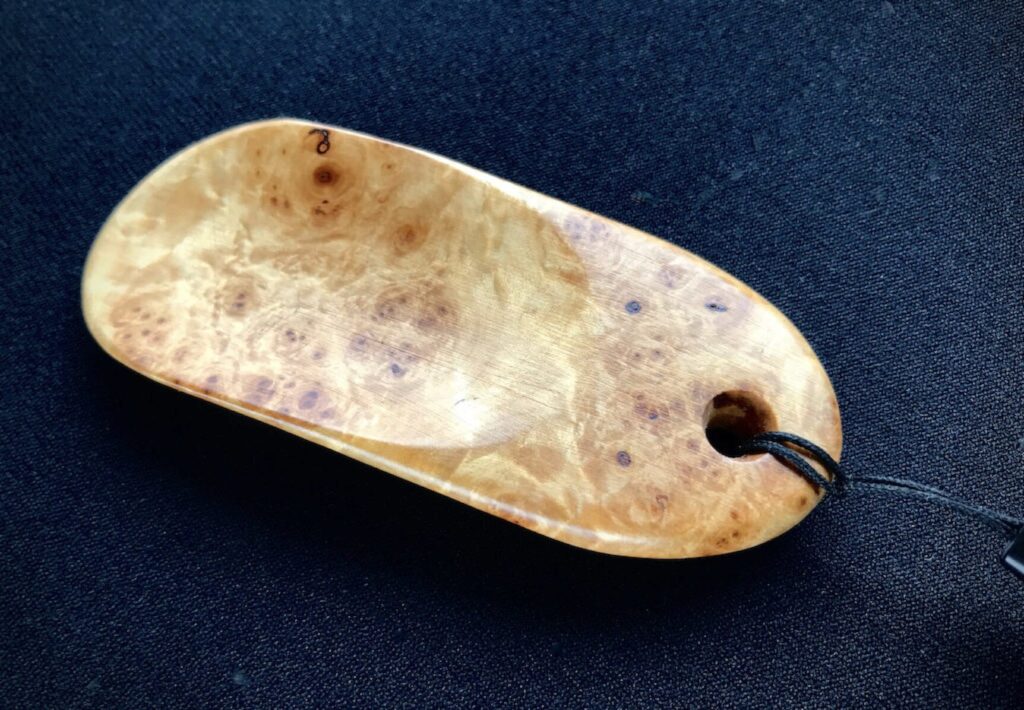
035
電卓
a pocket calculator
憶えていないが、子どもの頃は電卓はまだなかったと思う。ハッキリとした記憶がないので…。ただ、雑貨店や事務所などで手回しハンドルが付いた機械式の計算機らしきものを見た覚えがある。当時は現在のようなポケットにも入る電卓はなかった。その後、カシオやシャープ製の卓上型の計算機が登場したと思う。それまではそろばんしかなかったわけだから、大きな計算などは大変な手間だったと思う。計算尺もあったが、使われる用途が一般的な計算ではなく、少し専門的なものだった。それを中学の時に習った覚えがある。もちろん使い方などはとっくに忘れてしまったが。昔から計算が苦手な私は、今でも簡単な計算に電卓を使うことが多い。手元にあるものは100均でもかまわないが、道具としての完成度はやはり名機にはかなわない。写真の計算機はニューヨーク近代美術館にも保存されているブラウンのもの。いいデザインは時代を超えて不滅だという見本のようだ。今でもiPhoneの電卓アプリを起動すると、Appleがこの計算機のデザインをモデルにしたことが分かる。
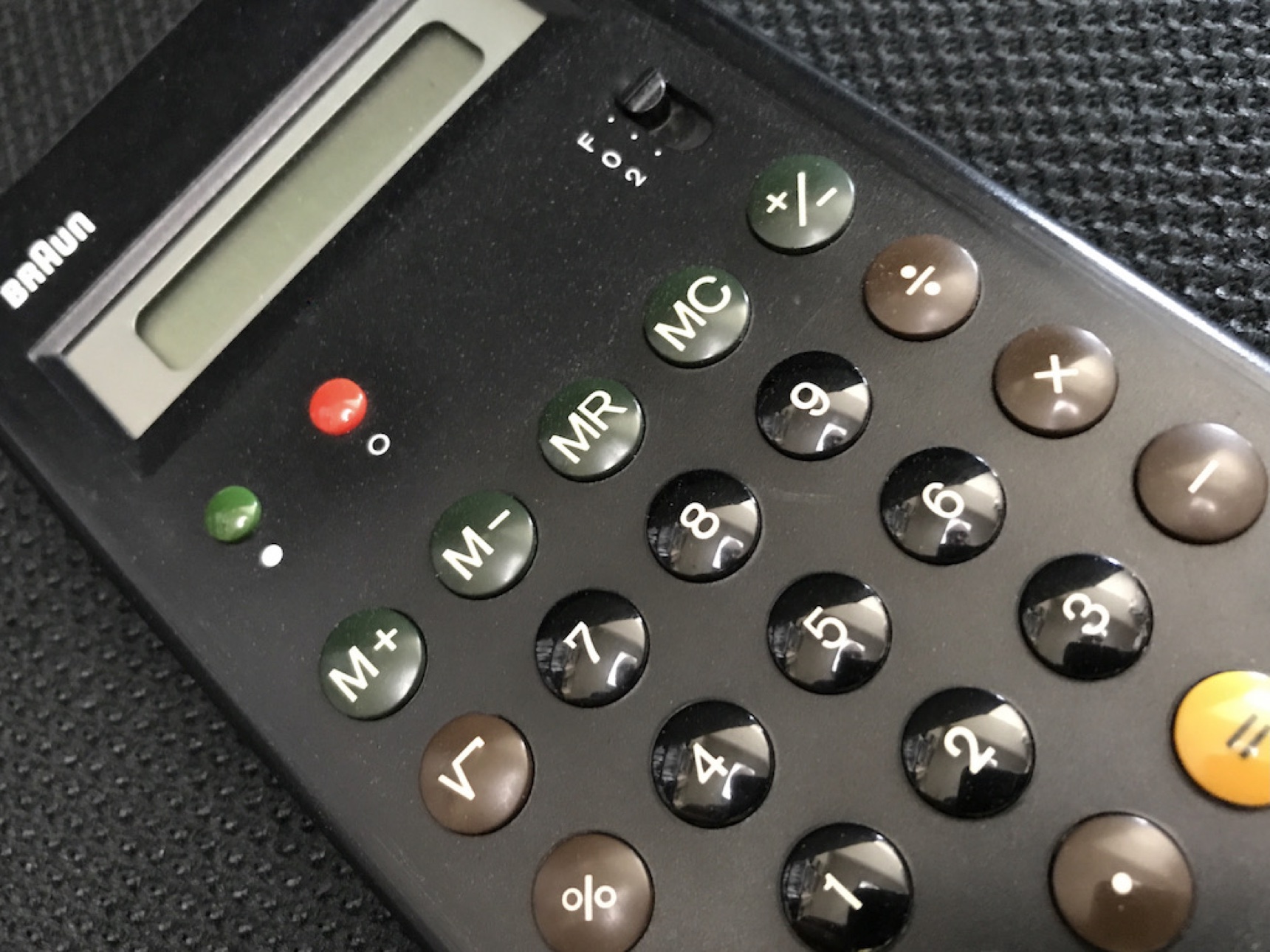
034
T シャツ
T-shirt
平らに置くとT字形になる、丸首で半袖のメリヤス編みのシャツと言えば、それで説明は終わる。写真のTシャツは私が今、着ているもので、かなり着古したものだ。ハワイで買った、Maid in USAのシャツ。ただ、かなりくたびれてきているのだが、ネット情報などでは、古着としてもある程度価値があるらしく、手頃な値段で売られていたりもする。私の大学生時代頃からTシャツが流行ってきたと思い出す。ウィキペディアによると「欲望という名の電車」で出演者のマーロン・ブランドが着ていて、そこから広まったという解説だ。いわゆる反抗世代ばやりで、肌着のシャツが受けたのだろうと。今でもよく着るが、最近はエイジングといって古着にも人気があるそうだが、私は人の着たシャツを着る気には、まだなれない。贅沢なのだろうか。あなたはどうだろう。
033
ノベルティ
novelty
一日一筆を始めてから、1本分の文章を書く時間を計っていなかった。別に時間はあるのだから何時間かかろうがいいようなものだけど、気になったのでこの回で計ってみる。ところで今日の話題だが、映画の宣伝や封切りに合わせて色々なノベルティグッズが作られる。そのモノの話だ。代表的なものはパンフレットとポスターだろう。実はこのパンフレットやポスターも数種類作られることがある。もちろんメインのものが代表的だが、地域に合わせたり配布先によって違ったりする。以前、映画プロモートの仕事をした経験から言うと、大作など一般客向けではなくメディア向けに配られるものも多くあった。内容は結局は同じようなものだが、相手に合わせ工夫されていたものも多い。宣伝用のパンフレットはプレスと呼ばれて別にあり、記事紹介用など、より詳しい内容のものもあった。一方、写真のピン(1997年)もノベルティの一つだが一般の観客にも売られていたかどうかは、今となっては分からない。オークションなどでもノベルティグッズはよく出てくるが、値段は安く数百円だ。画像検索したが、写真のピンは出てこなかった。だからといって貴重なモノとは限らないが。
ここまでで、この文章は約20分30秒かかった。
032
ライター
lighter
以前にたばこのことを書いたが、きょうはライターの話だ。その前にマッチという話題もあると気がついたが、今回はライターだ。実はたばこを吸っていた時代、もう50年も前になるが、ハッキリ覚えていることは、禁煙するまでとうとうライターを持っことはなかったことだ。それ以後もない。マッチで十分だったのだろう。だから写真のライターは父のものだ。父はたばこも吸っていたが、パイプも使っていたので、そのために使っていたのかも知れない。このライターを見ていると、いかにも時代を感じる。男の道具らしくクロコダイル風の皮が巻いてあり、力にも耐えるしっかりとした作りだ。これはガスライターだが、昔、ジッポーに憧れたこともあった。知り合いが使っていてカキーンという蓋を閉めたときの音が、今でも耳に残る。喫煙者がめっきり減った今は、酒席でも見かけることは少ない。100円ライターなどを多く見かけるのは、花火やキャンプシーズンくらいだろうか。でもたまにはバーベキューなどの時にスマートに出して使ってもいいのかもしれない。
031
フィルターバブル
filter bubble
私はSNSを利用していない。ラインも使わないし、フェイスブックやインスタグラムにも縁がない、というか疑っているので、近づく気になれない。「百害あって一利なし」のことわざ通りだと思っている。これだけ嫌っている自分は、自分でもおかしくなって笑ってしまうが。スマホは、人より先に使い出した。まだ、スマートフォンという言葉がない時代にiPhoneを使ってみた。携帯するPCというものを予感したからだ。珍しがった周りの人に「これは電話ではなく、ポケットに入るコンピュータです」と得意そうに触れ回っていた。もちろんその当時は皆ヘンな顔をしていたが。今でも確かにその理屈は合っていると言えるだろう。もしかするとそれ以上なものに進化している。社会の分断を加速すると言われ続けているSNSの世界。自分の都合にあう情報ばかりに取り囲まれている現在。これをフィルターバブルと呼び様々な問題が指摘されている。気づかないで毎日使っている人がほとんどだと思うが、使用者が気がついていないというのが恐ろしい…。
030
団扇
a (Japanese) fan
【うち翳】、とても書けそうもない漢字が当てられているが、「は」と読むそうだ。昔は大きな葉などでムシを追い払ったり打ちはらうことから「打つ翳」→うつは→うちわ。「団」は丸いの意。「扇」は扉を開け閉めして風が起こることから、いつの間にか団扇になったとか。そんなことは知らなくても、誰だって団扇には思い出があるものだ。焼き鳥を焼く渋うちわやキャンプでの火起こし、浴衣掛けのアクセサリーなど、いろいろ思い出す場面もあるだろう。季節を感じさせてくれる夏の道具でもある。お中元やお祭りにも登場していたが、最近は扇風機やエアコンにおされ、屋内ではあまり見かけなくなった。アナログというより、すでに素朴、繊細、手仕事、伝統という分野になってしまったのか。でも日本人の心の中にあるモノには変わらない。最近、団扇の評価に対しては外国の人の方が高くなってきてはいるが日本人としても大切にしたいと思う。写真の団扇は京都で買ったもの。毎年7月には飾って夏の風を感じて楽しんでいる。
029
ケント
KENT
かれこれ53年前のたばこのパッケージだ。すぐ捨てられそうなたばこの箱など、なんでとってあった、と思うかも知れないが、確か、禁煙を決めたときの最後のたばこだっただろうと思う。残り一本を箱に入れ、そのまま53年。この箱が残ってることで、その当時の記憶がよみがえる。子どもが生まれたのでやめた記憶がある。吸い出したのは大学に入ってからの頃。よく、隠れて高校時代に吸い始める人も多いが、その頃私は、たばこには興味がなかった。部活や受験に忙しかったのだと思う。初めて吸ったのがケントだった。その頃たばこ屋で一番軽いたばことして教えてもらったのが理由だ。たばこを堂々と吸える年齢ではあったが、初めてということで不安があったのかも知れない。しかし値段は高かった。後から考えるとたばこ屋に欺されていたかもしれないが。さすがにその後、安い缶入りのショートビースに移っていったが。と言うわけで、生涯吸ったのはこのケントと缶ピースだけだ。
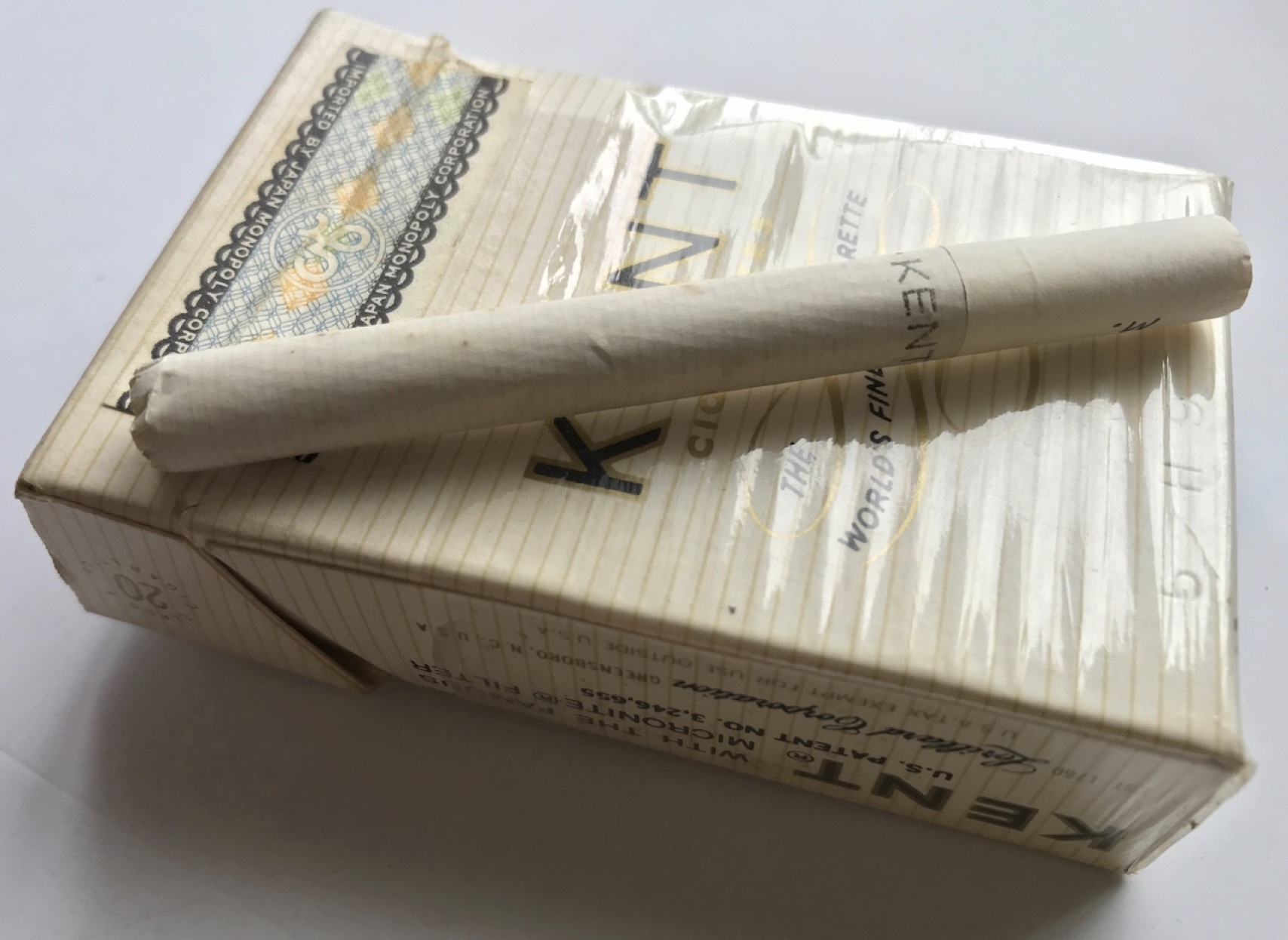
028
キラーアプリ
a killer app
知ってる人には、何んで…、的な話題だが馴染みのない人にとっては、全くと言っていいほど知らないものだ。ただ、知らないと言っても毎日、目にする印刷物や電波媒体、またはWebページまでもが、このソフトのお世話になっている有名なコンピュータアプリケーションだ。写真や画像を処理するソフトウェアとして有名なもの。もちろん使われている現場は専門の人たちが使う場所だが、アプリケーションソフトの使用率では世界中でダントツのソフトウェアになるだろう。歴史は古く、ほとんどPCの発達と同じに進化してきた。同じネーミングでバージョンアップを重ね、現在も進化し続けているソフトウェアとしては異色とも言える。最近は写真を趣味にしている人が増えているので、一般の人たちにも知られるようになった。このソフトの名前を知らない写真関係者はモグリとも言われ、からかわれていたほど。個人的には好みもあり、競合ソフトもあるが、この先もキラーアプリの立場は変わらないだろうと思う。
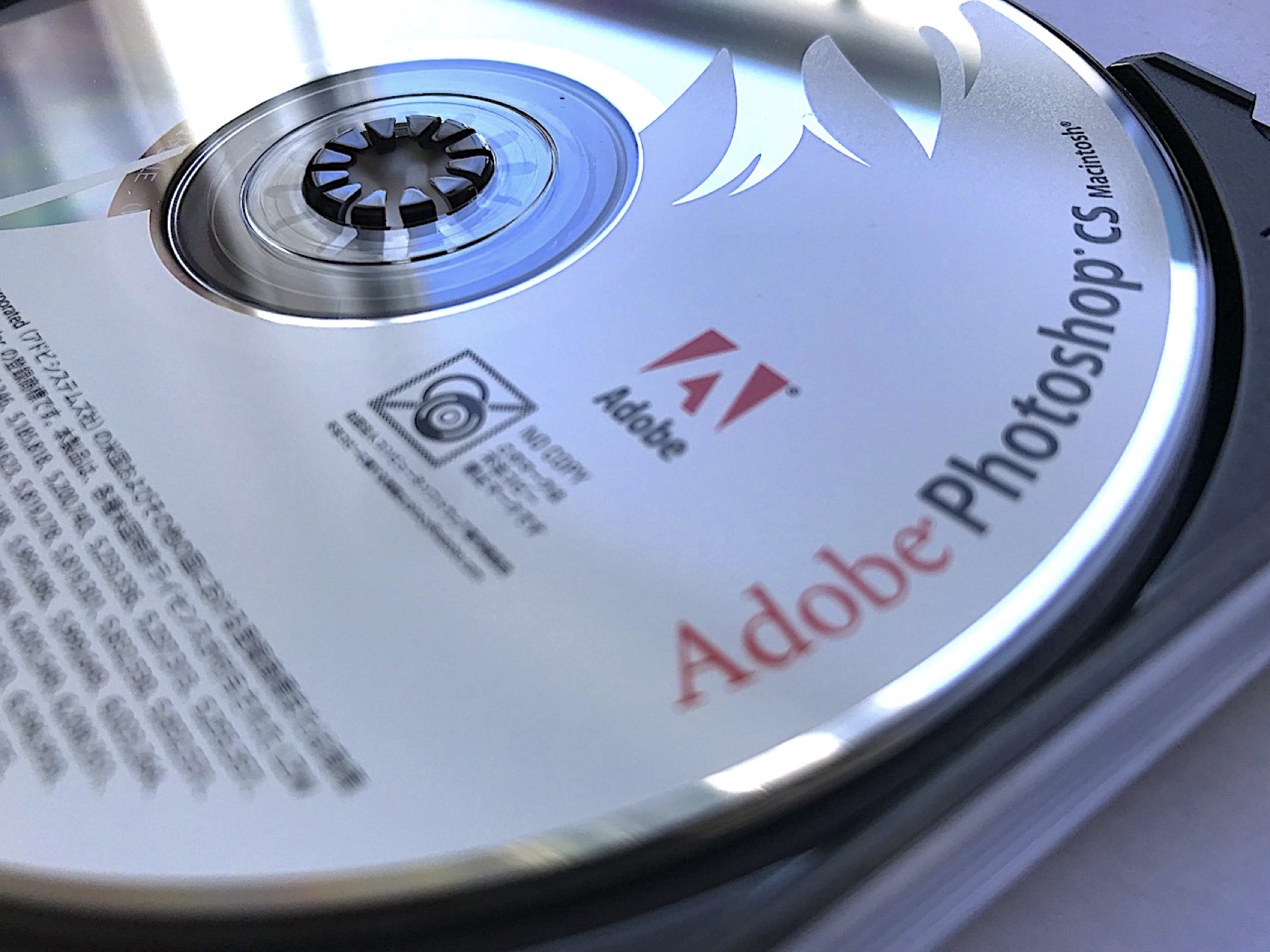
027
羊羹
Yōkan
別の日の文章にスウィーツと言う言葉があったが、きょうは日本に古くからある、まさしく甘いものの代表羊羹だ。発祥は中国の羊のスープらしいが、煮こごりのゼラチンがなごりとも受け取れる。ご存知の通り小豆の餡と寒天で作られてはいるが、初めの頃は貴重な砂糖が使われた。砂糖羊羹と呼ばれ奄美などの黒砂糖が使われた貴重な献上品だったそうだ。その後、寒天、粗糖、小豆で作られた練羊羹が登場、秀吉にも献上されている。和歌山の鶴屋5代目岡本善右衛門が作ったとされ、発祥もはっきりしている。全国には鶴屋改め総本家駿河屋からの分家やのれん分けが数多くあり、土地柄も加わり広まった。羊羹の出現は、和菓子の可能性を広げた革命とも言われるが、確かにそうだと思う。写真は北海道で親しまれている銘柄だが、いつまでも守っていきたい、私の大好きな郷土の甘い味わいだ。
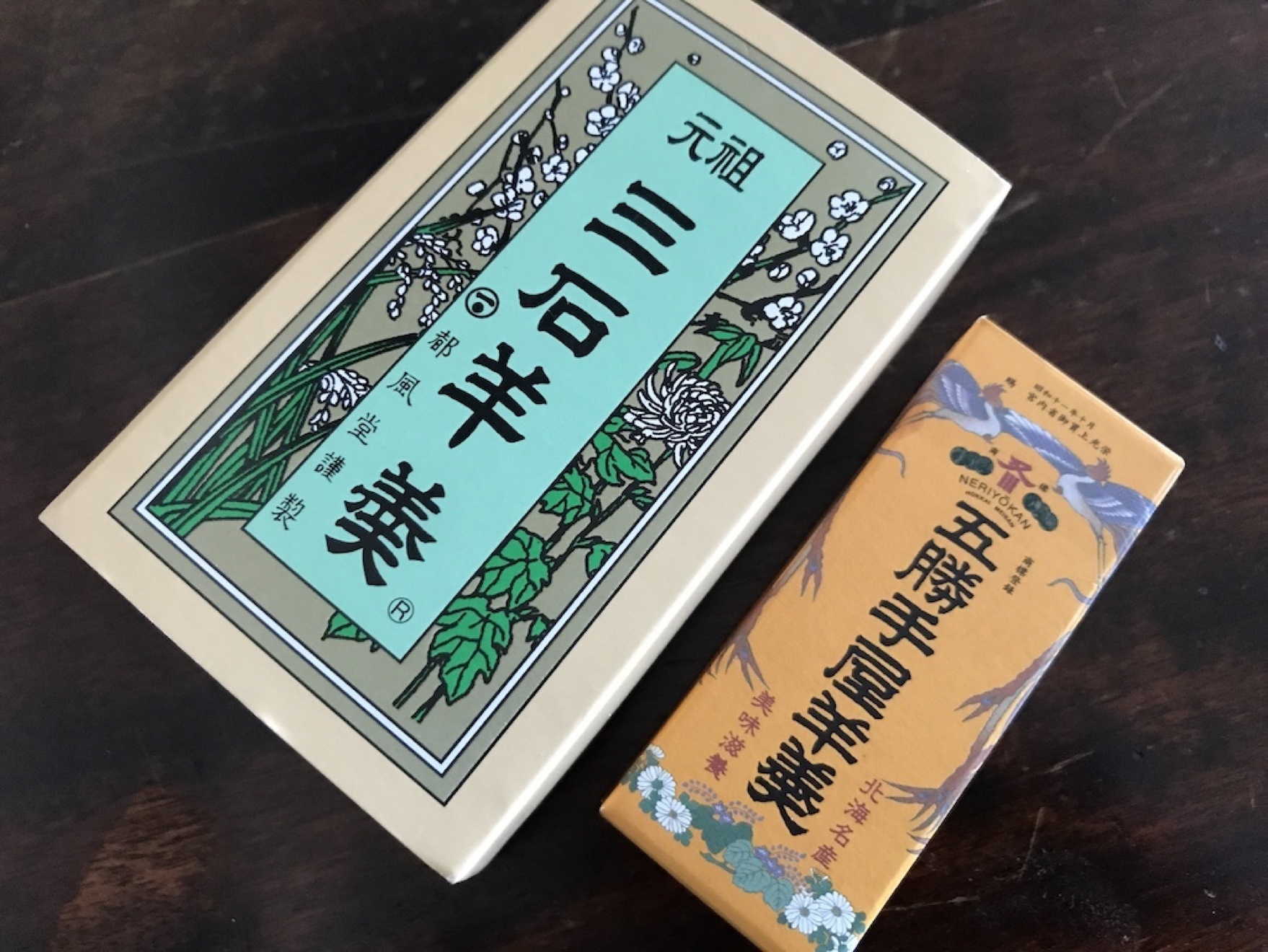
026
舞台
stage
なぜか舞台とかステージと言う言葉に惹かれる。別にミュージシャンでも役者でもないが、仕事上何度かステージに上がることがあった。普通の人生というものがあればの話だが、たとえば普通は舞台に上がることなどあまりないものだ。古くは卒業式の時とか、入社式など挨拶の場でしか上がらない。でもステージとか舞台などとなると音楽演奏会だとか発表会でドキドキしながら登るというのが数少ない経験だろうと思う。あとは結婚式くらいか。いわゆるひな壇としてだが、舞台は慣れもあると思う。いったん登ってしまうと開き直りのようなもので、まな板のコイとまではいかなくてもメザシくらいでも何とかなる。たった1メートルも高くないステージでさえ、ものすごく緊張するのだが、何度か登っていると、平地と変わらなく感じる。むしろ変わるのは、自分自身との向き合い方だろうか。たとえばステージがなくとも、今が本番だと思えばその瞬間、その時が舞台になるという。言葉が示すようにステージは「段階」「時期」という意味もあり、納得できる。
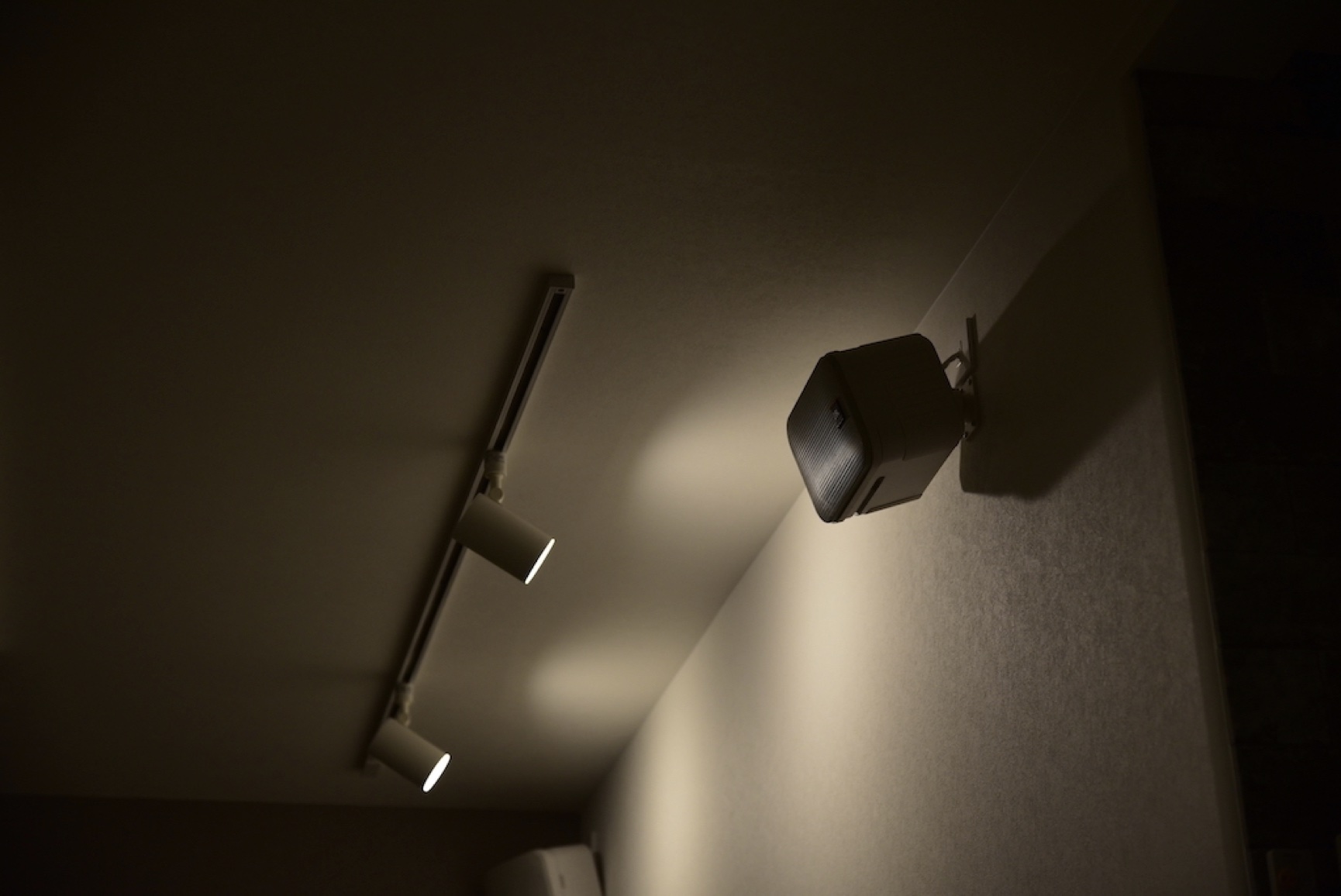
025
ワインラベル
Wine Label
ワインボトルに貼ってある紙は、英語ではラベルと呼ぶが、フランス語ではエチケットと呼ばれる。え、エチケット?と思うかも知れないが、実は昔から通の間ではそう呼ぶらしい。この呼び方を知ることからいわゆるワインのお勉強が始まるわけだ。なぜかというと、それ以外にワインを知る手がかりがないからだ。あるのはボトルの形と色くらいなもの。あとは値段。それ以外、このワインが何者なのか、どこで作られどんな中身なのかは分からない。でも、ウマく出来ていてこのラベル、もといエチケットをよく読むと色んな事が分かってくる。もちろん最終的な味は飲んでみなくては分からないが。ワインがあまり得意でないという人は、大抵このエチケットの読み方がわからないだけ。産地、畑の名前、ワイナリー名、製造年、ブドウの品種、その他創業者にまつわるものやそのワインに関してのキャッチフレーズなど色々書かれている。ちなみに写真のワインは「シャトー・バラバック」ボルドー産、フロンサックAOC、2014年…など読み取れるけど、私が気に入ったのはワイナリーと畑の絵の方かな。
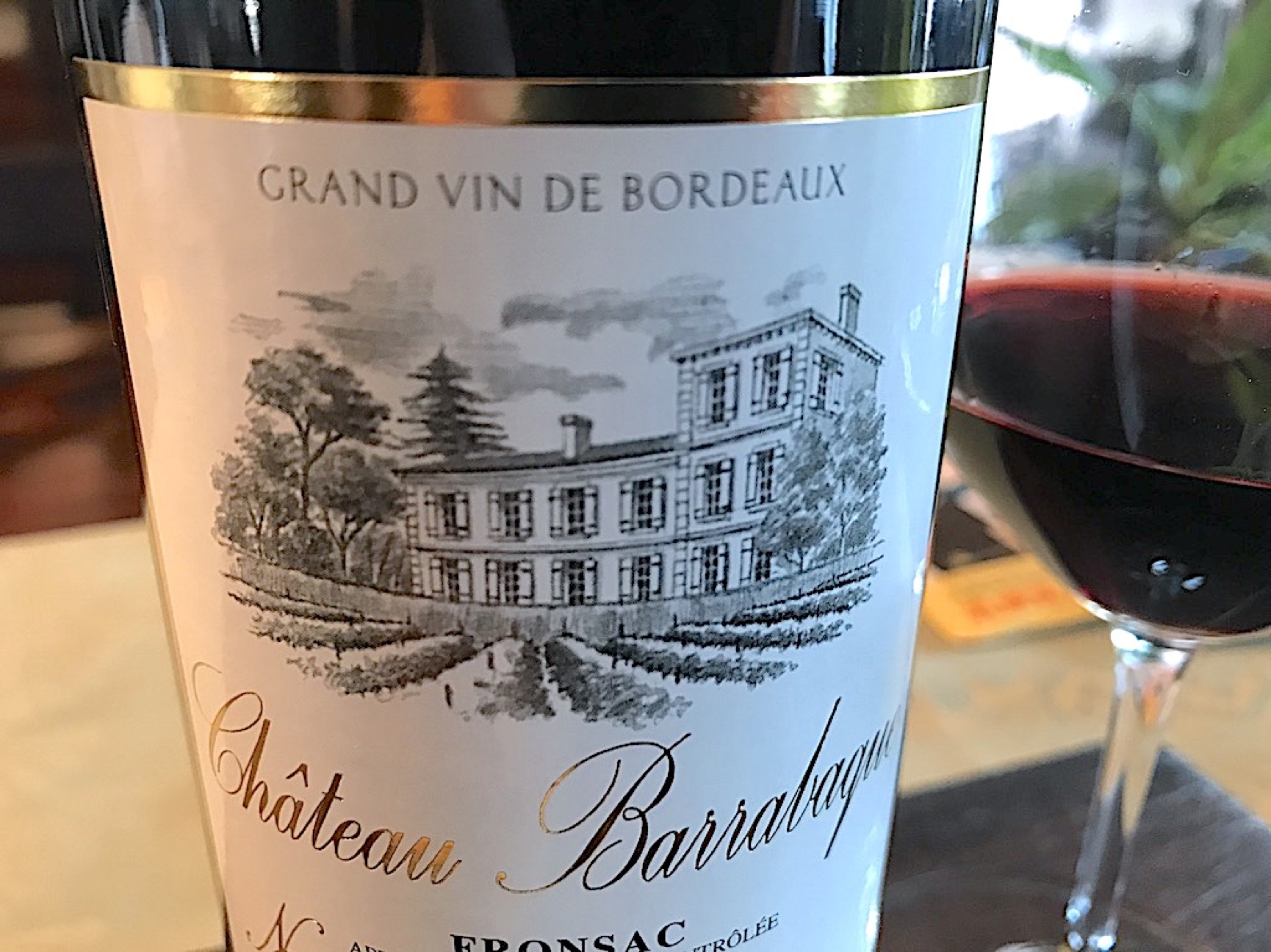
024
食べ合わせ
foodstuffs
誰にでもあると思う、食べ合わせ。中にはそんなものないという人もいるだろう。でもトンカツにキャベツとか寿司に醤油とか、あたりまえだろう…と思っている食べ物も、いわば食べ合わせといえるだろう。じゃがバターやじゃがいもにイカ塩から、アスパラガスにはマヨネーズ、考え出したら、いくらでも出てきそうだ。ある食べ物とある食べ物の組み合わせは単に味が合う以外にも、たとえば思い出の味だとか懐かしく食べた記憶などからということも想像できる。時には偶然その時、その食べ物の組み合わせになってしまったなんていうこともあり得る。写真はおやつで食べるものだが、なぜかこの組み合わせが気に入っている。売り場でこの二つが並んで売られていたら、まるでこちらの好みを見透かされたようで少しコワイほど。でも、それはいわばずっと昔から誰かが見つけたゴールデンコンビで、それを巧みに仕組まれていたかもしれないのだ。
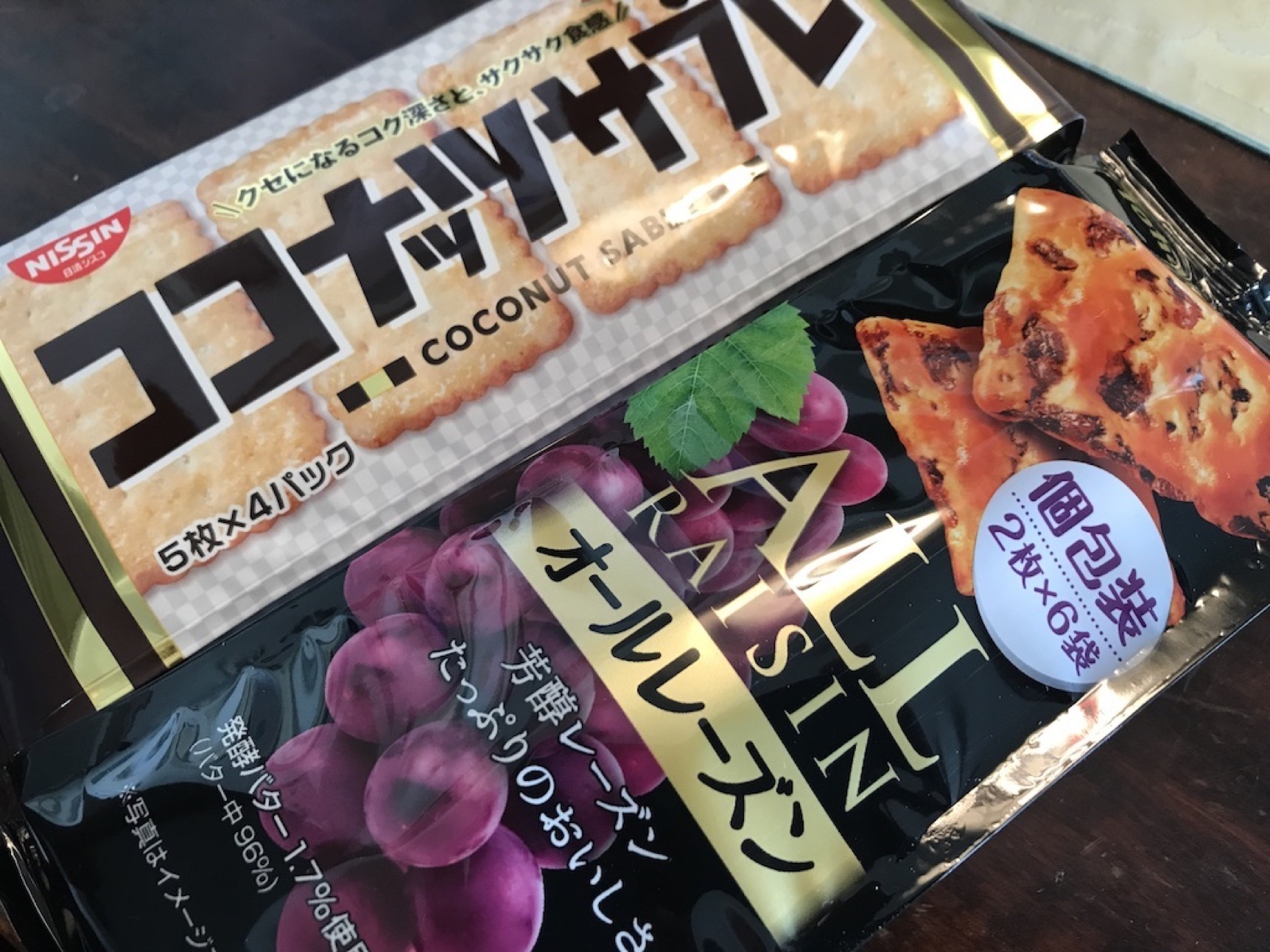
023
Hashibukuro
chopsticks sack
割り箸はすでに世界中に知れ渡ってしまった。和食文化と共に。ただ、良い意味だけではない。割り箸の消費量は国内だけで年間約250億膳だそう。その9割以上が輸入らしい。そうなるとまさしくこれは環境問題だ。粋がって使っている場合ではないのかも知れない。その問題はともかくとして今日は箸袋の話だ。くだらない話といえばその通りかも知れない。時々、箸袋に色んな事が書いてある。ふと旅先などで見つけることがあるが、話によると箸袋コレクターもいるそうだ。写真の袋は有名な蟹飯の駅弁に付いていたもの。「蟹はよし そばもまた好し長万部」と語呂合わせがうまい。思わずフッと口元が緩んでから、やおら割り箸を割る。うまくできている。ただ、食べた後はゴミとして捨てられる運命なのだが、たまに爪楊枝が忍び込んでいて、思わず捨てようとした袋を漁ってしまうことも。なかなか働き者の袋ではある。さて、環境問題はどうする。
022
マニュアル
manual
説明書の歴史など、どなたかが調べているのだろうか。ものすごい数だとは思うが、きっとどこかで研究されているんだろうけど…。昔、プラモデルなどにも作り方などの紙が付属していた。家電やAV機器が盛んだった時代には、分厚い説明書や仕様書が同梱されていた。スイッチを入れるだけ、または誰が見てもそれしか使いようがないものは説明書などはいらないが、以前、コンピュータというものが登場してからは、数冊の説明書などあたりまえで、まるで新入学児童が買いそろえた教科書並みのボリュームになってしまった。写真は、2021年に発売されたiMacの箱に入っていたマニュアルだ。96mmの大きさの紙に簡単な絵がプリントされただけの、どう見ても役に立たないような内容だ。アップルのマニュアルは昔から一風変わっている、というかシンプルだ。製品に自信があるのでマニュアルなんて…と言わんばかり。確かに電源を入れると後は迷うことなく初期設定をすることが出来たが。
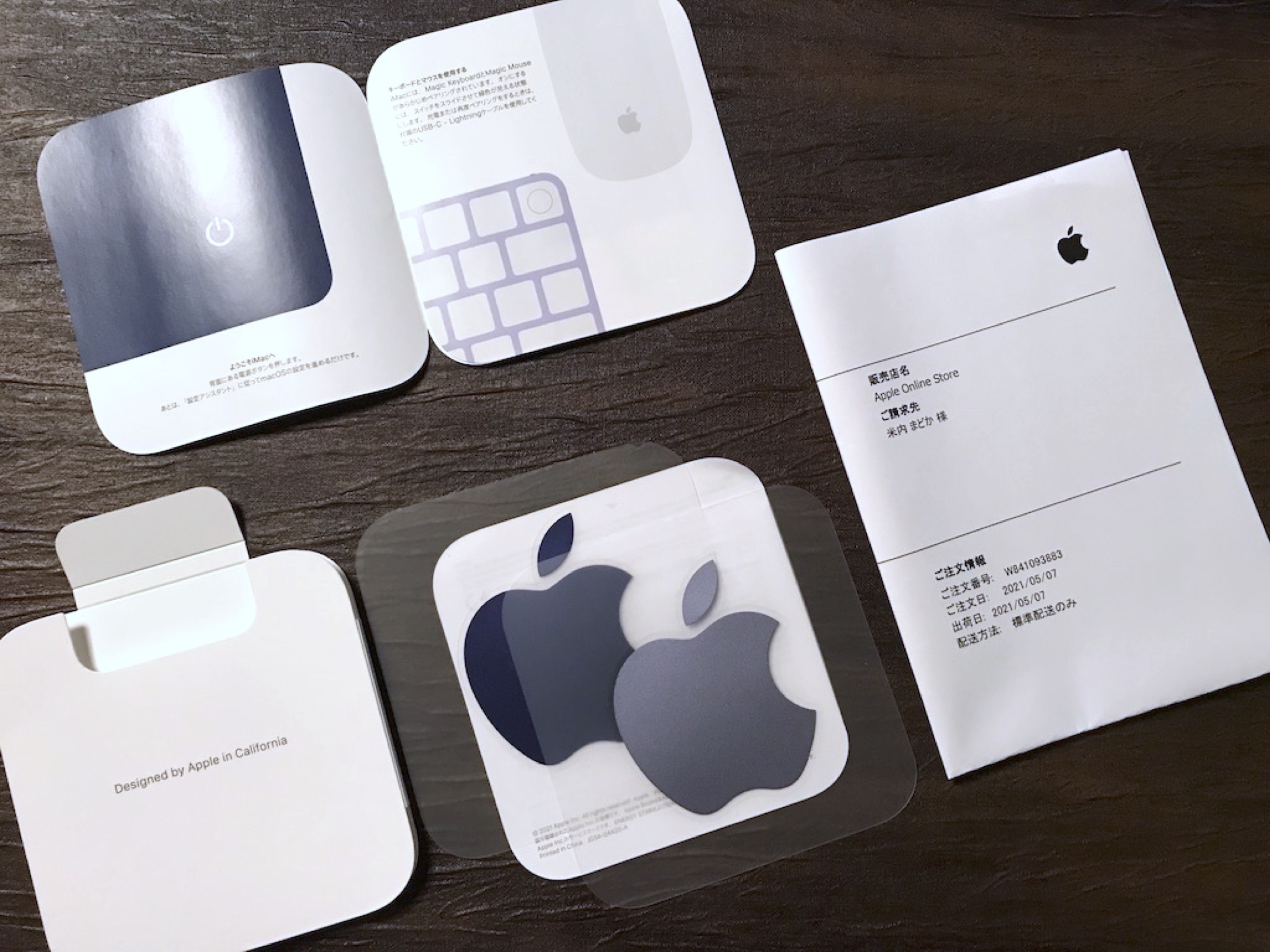
021
防犯カメラ
security cameras
自分が気づいていないことは、人はないものとする。ないと言い切るのは極端だが、とりあえずは頭の隅にでも置いてしまう。つまりそのことにはこだわらずかまわなくなってしまうものだ。ただ、そんのものの中に「防犯カメラ」の存在がある。気づかないことが多いが、改めて意識して注意してみるとけっこう存在する、というかこちらを見つめている。写真は、あるドラッグストアの店内の天井についているカメラだ。撮影しているかどうかもこちらかは分からない。でも最近、こちらからは分からない、と言うことが重要なのかと感じている。というのも、自分を注視されているなら、おおよその人は気づく。でもカメラは設置されているだけでその動作が分からない。設置している側は、わざと気づかれないようにしているわけではなく、こちらが気づかないだけだ。でもしっかり撮られているのだろう。写真のカメラには「撮影された個人映像はある期間をもって削除されます」と言い訳のような札がぶら下がっていた。誰かに指摘されたのだろうか。
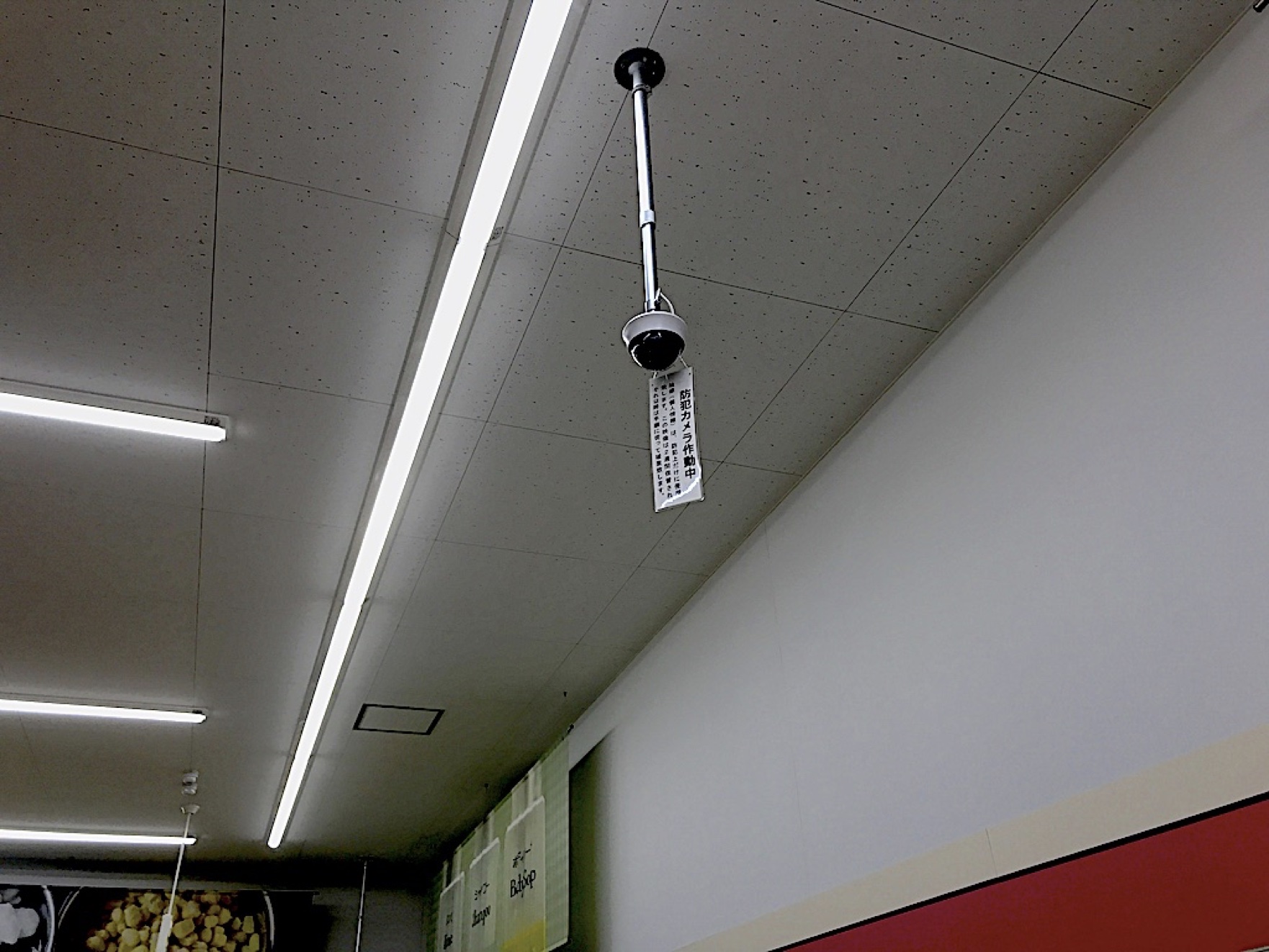
020
大人のおもちゃ
teddy bear
日本ではあまり知られていがないが、テディベアは大人のおもちゃでもあるという。海外生まれのこの熊は、すでに世界中で有名だ。1902年ドイツのシュタイフ社で作られたと言われていて、同じ頃アメリカでも第6代アメリカ大統領ルーズベルトが狩りの中で熊を救ったことから生まれたと言う説もある。124歳をこえる年齢のマスコットの名前はルーズベルトの愛称テディだったのが由来だそうで、現在では年齢性別を問わず世界中で親しまれている。写真のキャラメル色したモヘヤのテディベアは1906年製のレプリカ版。45センチのセンターシームベアで2011年に販売されたモデル。世界限定750個販売で、我が家の熊はNo606というシリアル付きだ。確かに子供用ではなく、しっかりと気持ちを受け止めてくれる表情をしているのが頼もしい。今も居間のソファの一等席に座っている。
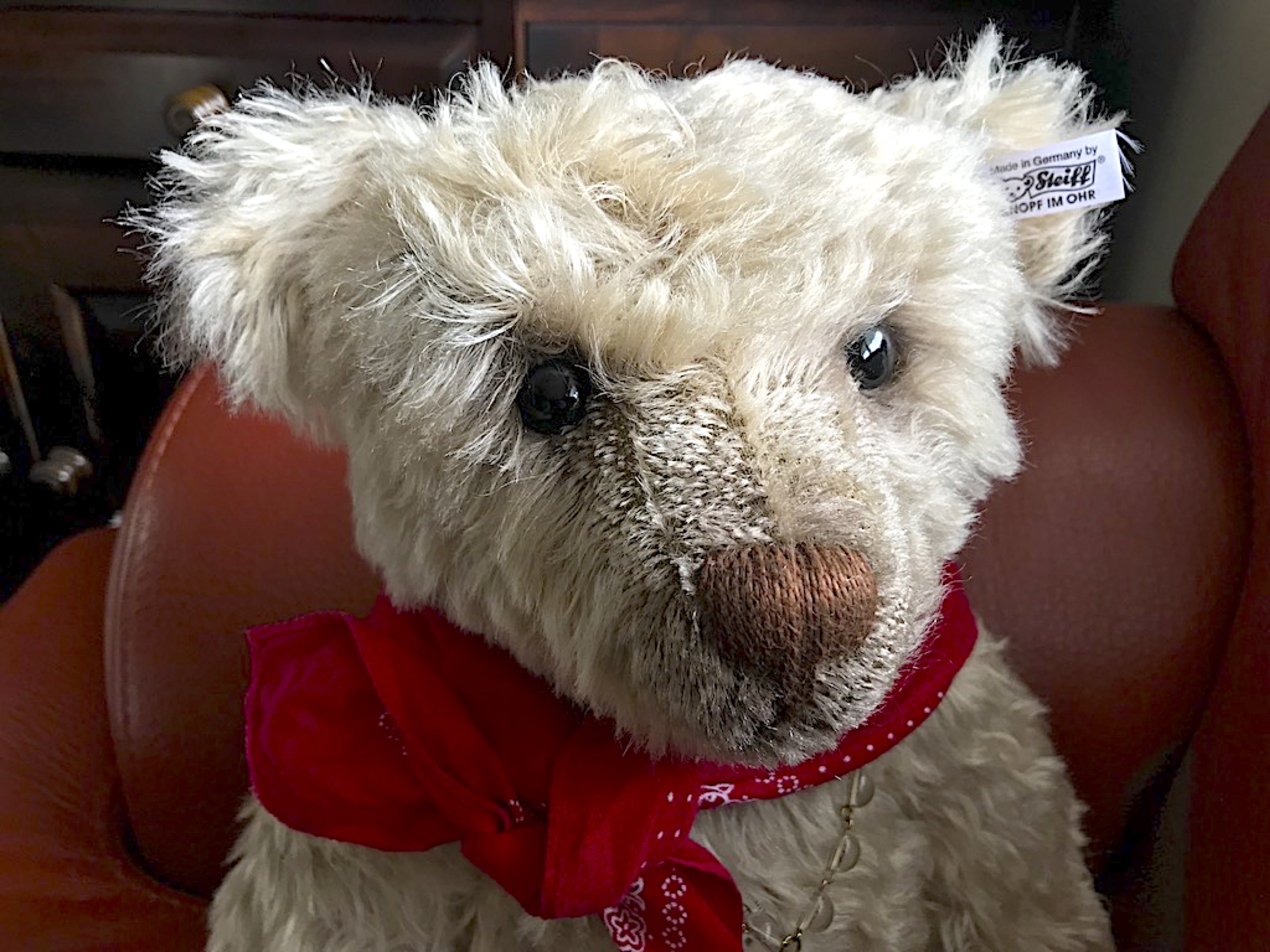
019
スウィーツ
sweets
甘いものが好きなのは、男女を問わないし年齢も問わない。甘いもの好きを子どもや女性と決めつけるのは昔の話だ。しかし数年前から言われている「スウィーツ」と言う言葉は好きになれない、というかいまだに馴染めない。突然雑誌系あたりから広まり、テレビなどでやたらと連呼してしまったため、定義もおおよその内容も、言葉先行でいまだにあやふやだ。でも不安定なままの方がこの「スウィーツと言う言葉には合っているのかも知れない。なぜかというと、元々のsweetsという英語はイギリスで言う駄菓子または砂糖がたっぷり入ったお菓子という意味で、上品なものには使わない。さらにこの言葉を皮肉っぽく使う言い方まであるようだ。日本語にはちゃんと、洋菓子、和菓子、駄菓子と名前があるのにわざわざスウィーツと呼んでいる。便利に何もかも一緒くたにすれば良いものでもない。そこには名前に込められ使われてきた歴史や文化があり、大切なものがあると思うからだ。最近は大福やおはぎまでスウィーツと呼び始めているのはどう考えてもおかしい。
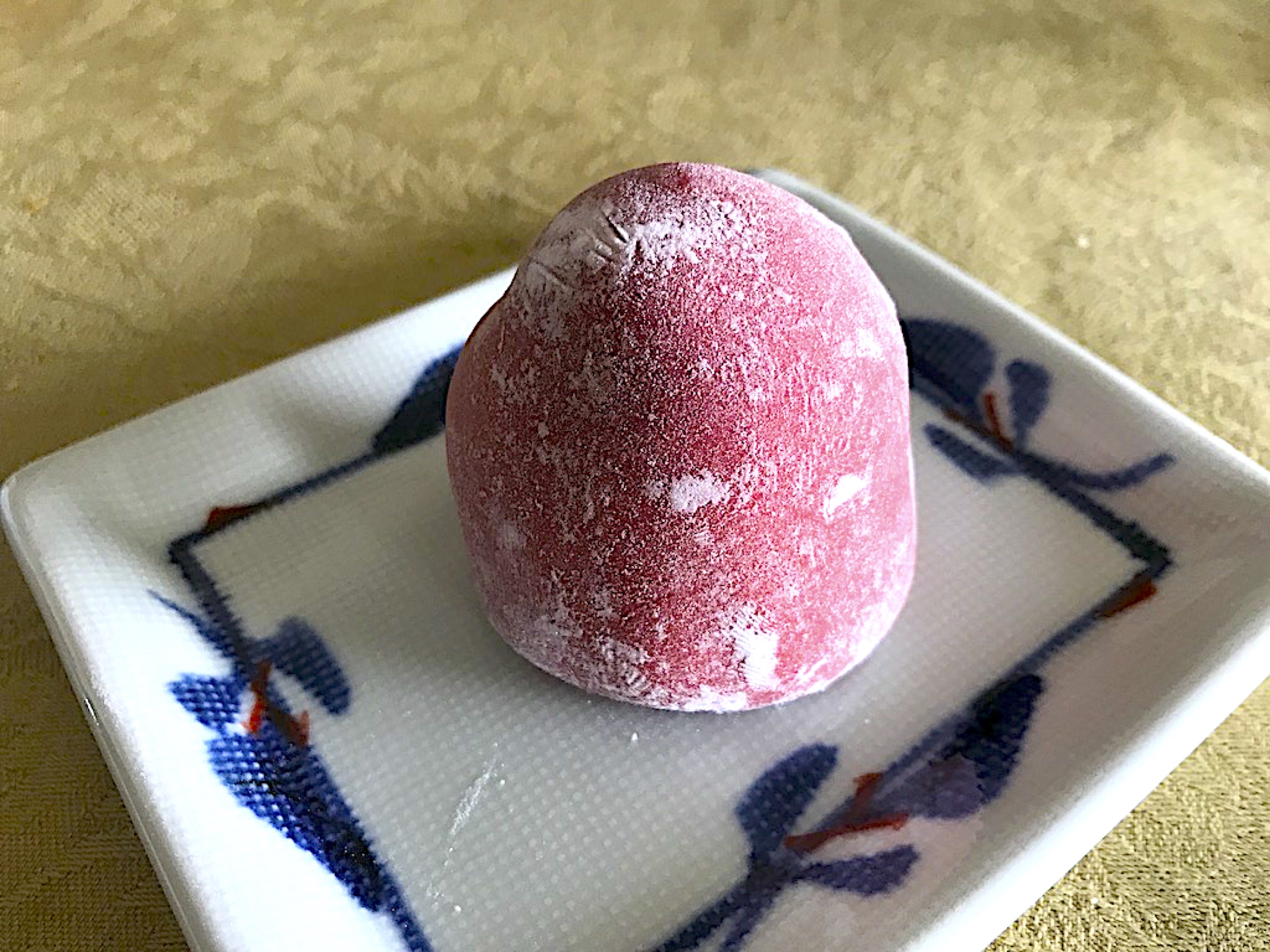
018
メジャーリーグ
Major League Baseball
野球中継はあまり見ない。嫌いではないが好きでもないのが正直な答えか。でもどちらかというとアメリカの野球の方が好きだ。理由はいくつかあるが日本の野球があまり好きじゃないのは、野球そのものではなく、野球放送や、球場の音が好きではないのだと思う。まず、野球放送がやかましい。それとアナウンサーが野球好きが見ているという先入観で観戦する人を決めつけている。初めて見る人もいるわけだし。選手の名前などほとんど知らない。それと応援の鐘や太鼓の音もうるさい。ただの歓声なら分かるが。その点、アメリカの野球放送はビックリするほど静かだ。もちろん鐘や太鼓もない。決まったイニングの途中、音楽が流れることはあるが、ほとんどは静かなものだ。時々放送を見ていて音声が切れたのかと思うときがあるくらい静かだ。一度だけメジャーリーグの試合をアメリカの球場で見たことがあったが、やはりビックリするほど静かだったのを覚えている。ただ、ブーイングという観客が意思表示で出す声はけっこう球場内に響いていたが。
017
インデックスカード
Index Card
いつごろだっかは良く覚えていないが、プログラミングを少しかじっていた頃だったと思う。データーベースを扱うのが当時としてはコンピュータ技術の主な分野だった。カードを作り、データを記入して分類、同じフォーマットにするのがセオリーだった。データを集め集計し、分類や検索するプログラムをつくる。その大量のデータを希望どおりに処理出来るのがコンピュータの役目というわけだ。このときは、紙のカードの代わりにデータ領域を複数用意して、データーを入力していく。表計算と同じ原理だ。これは後から知ったことなのだが、同じサイズの紙のカードに書式を決めてデータを書き込む「情報カード」というものがすでに1700年代に分類学の父と呼ばれるカール・フォン・リンネによって発案されていたという。植物などを研究していた中で考え出されたのだろう。その後コンピュータが登場するまで、分類する手軽な方法として活躍する。
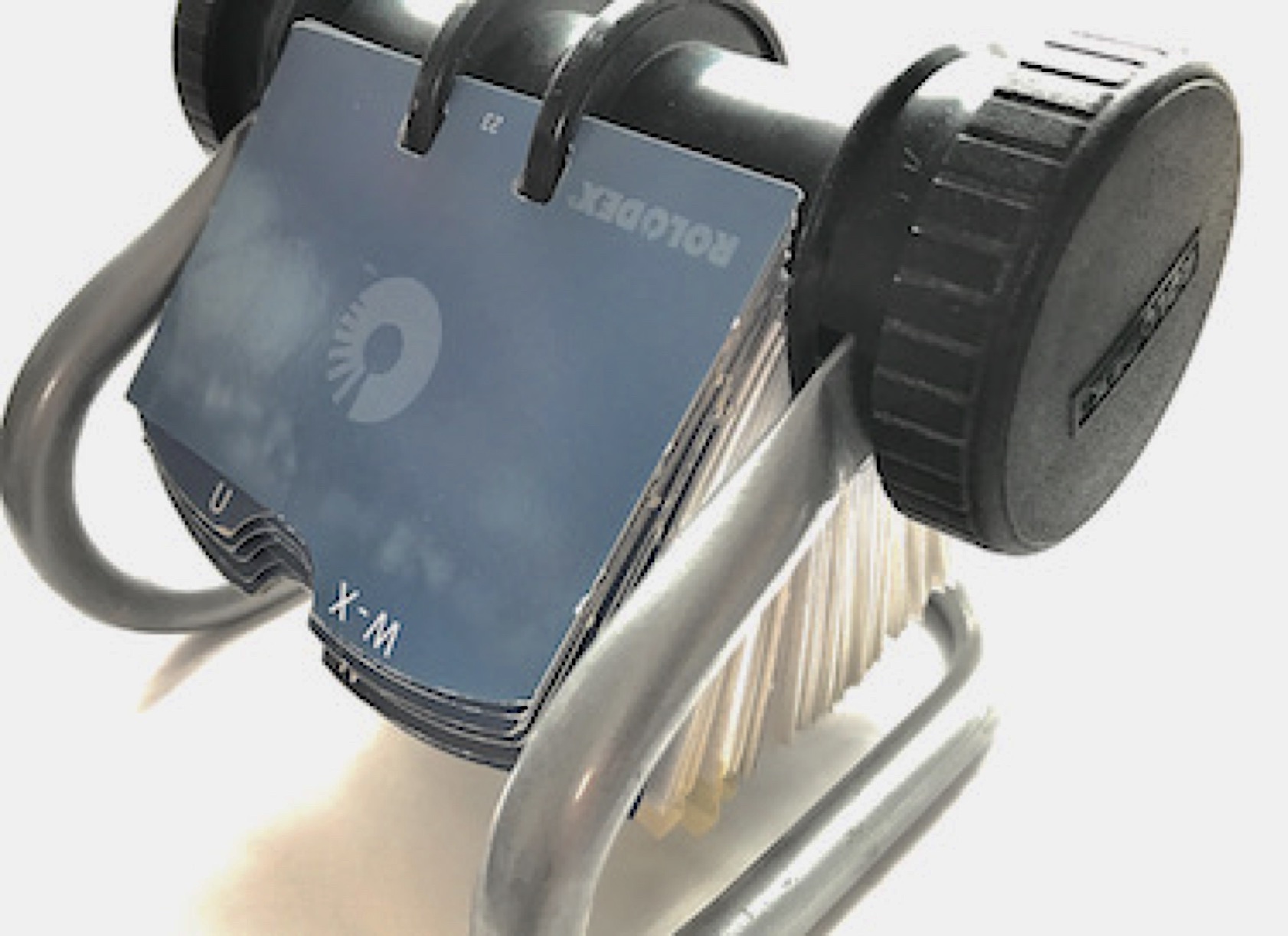
016
十字架
cross
恐れ多いテーマかも知れないが、深くは入らないように書く。子供の頃から何となく見てきたあちこちの十字架。遠くはクリスマスの時に誘われて入った教会の思い出。友人の結婚式のパンフレット作りで絵になる教会を探したこと。海外旅行の途中でよく見かけた石造りの立派な教会の上に立つ重厚な十字架。ミラノの大聖堂の屋根に輝く黄金の像と十字架など、思い出すとけっこう数多くあるものだ。追加するならまだまだある。アメリカ西海岸の街の郊外に緑広がるひっそりとした墓地の十字架。南国の遠くの小島に眠るヒーローの墓に刻まれた十字架…。あげればきりがないのでこの辺でやめるが、宗教と離れていてもこれだけ見てきた十字架は、ランドマークを超えて、自分の印象のアルバムにしっかりと刻まれている。たった二本の交差した形は、宗教を超えて世界の人々の心にもきっと刻まれているのだろう。
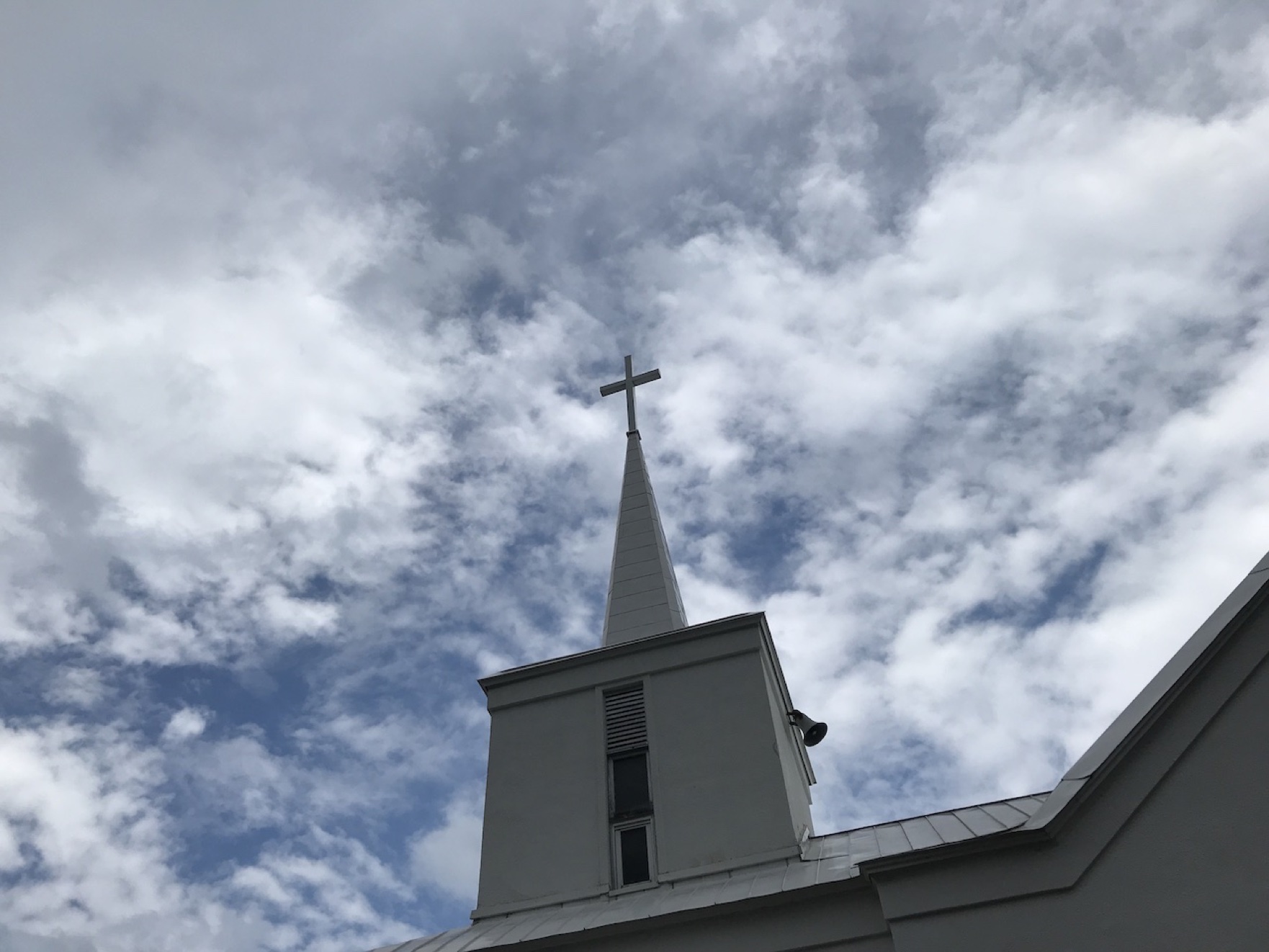
015
毛抜き
tweezers
色んな呼び名があり、決まらないのがこの道具だ。おそらく、何気ない道具だが一家に一個はあるだろう。普段は余りお世話にはならないが、必要なときは、けっこう焦る場合が多い。いざ探すとなかなか出てこないのもこの道具の特徴か。とげ抜き、毛抜き、まつげ抜き、糸抜き、骨抜きなど多くの呼び名があるが、要はピンセットだ。英語ではピンセットまたはニッパーなどと大雑把にも呼ばれる。確かに何かをつかみ引っ張るものだ。大きいか小さいかは問題ではないのかも知れないが。日本には同じ毛抜きと言っても実は色々と種類も多く、奥も深い。写真のものは今使っているものでステンレス製。本手打ち毛抜きといって長い歴史がある老舗「倉田製作所」製。正確には倉田福太郎のもの。ひとつひとつ金槌で叩いて作っていて機械作りではない。たかが毛抜きだが、日本刀作りにも通じるもの。もはや「たかが…」とは呼べない優れものだ。もちろん抜けもいい。まるで、痛くもなくヘンな表現だが気持ちよく抜ける。
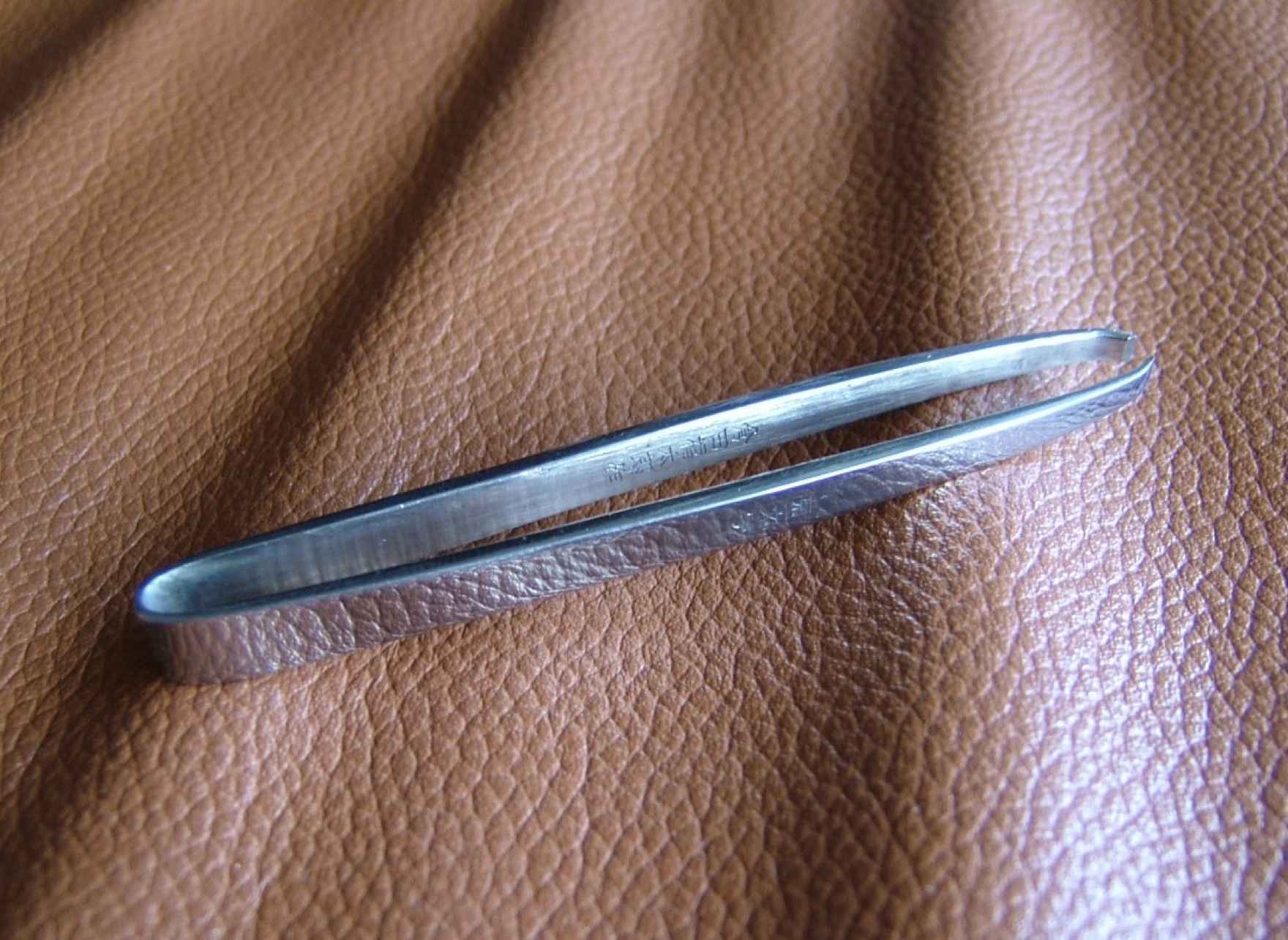
014
クルマの写真
Photos of cars
今まですべてではないが、自分が長年乗ってきた車の写真は、なるべく撮っている。マイカーの写真など撮る人は少ないとは思うが、自分の車には思い出がたくさんあるものだ。気にしない人には単なる走る道具だろう。それも自然なことだ。なぜなら使っていた洗濯機や冷蔵庫の写真を撮ることがないように。ただ、なぜかクルマは写真の対象になるものだ。その形なのか、運転してきた長い時間がそうさせるのか、分からないが。写真のクルマもすでに10年を過ぎて乗ってきた。11万キロ超えだ。でも意識してわざわざクルマの写真を撮りには行かない。ドライブの途中でふとした時間、振り返るとそこに自分のクルマがある、そんなときにシャッターを切るのが多い。きっとあとで懐かしい思い出となってその時の気温や風、ドライブの記憶などがよみがえることだろう。いわば走ったときや行った場所のメモリーとして。
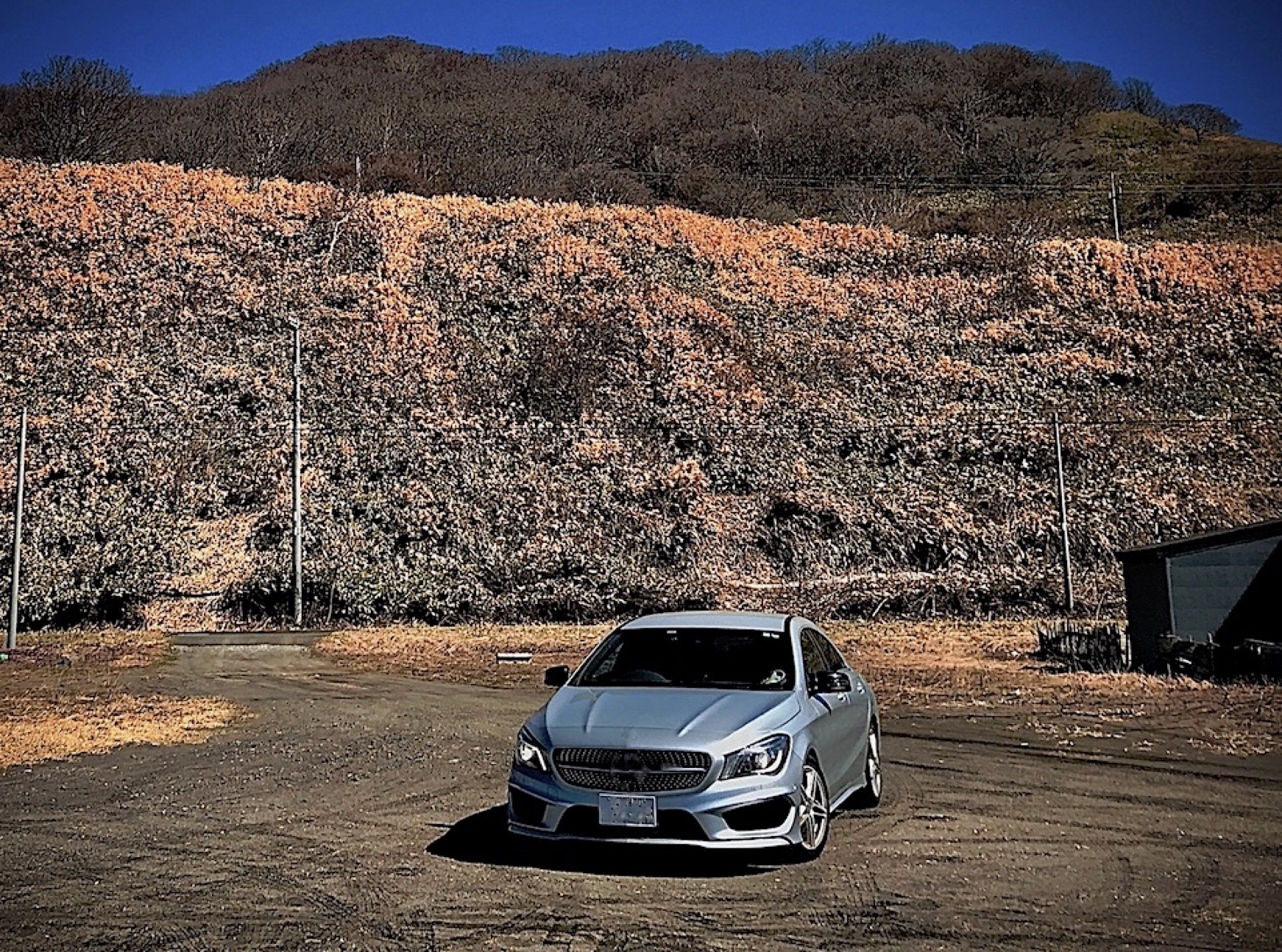
013
温度計
thermometer
毎回、ネタに困るか、と言ったら実はそう困らないのがホンネだ。ただどう書こうかとか、硬く難しいものになりそうだ、とかで悩む。別に難しくなってもいいのだが、クセで、なるべく文章は分かりやすく読みやすくと思っているものだから、それに合わないテーマだと避けてしまう。で、今日は温度計だ。海外でホテルなどに泊まると室温計が付いているところがある。大抵華氏表示だ。摂氏に治すと23度がおおよそ73度くらいだろうか。最初、華氏表示を見たときは正直ビックリした。73度と表示されているのだ。もちろんすぐに華氏表示だとは分かったが、さてそうなると摂氏何度か。何だか急に数字を見ていると暑く感じたものだ。今ならだいぶ慣れたのでおおよそ23度くらいか…、などと冷静にいられるが。デジタル表示の温度計が多い中、アナログ表示の温度計はやはり見やすい。最近は古いものがアンティークブームで人気がある。写真の小さな木製の温度計は確かドイツ製だったと思う。時を超えて見る人に教えてくれる。
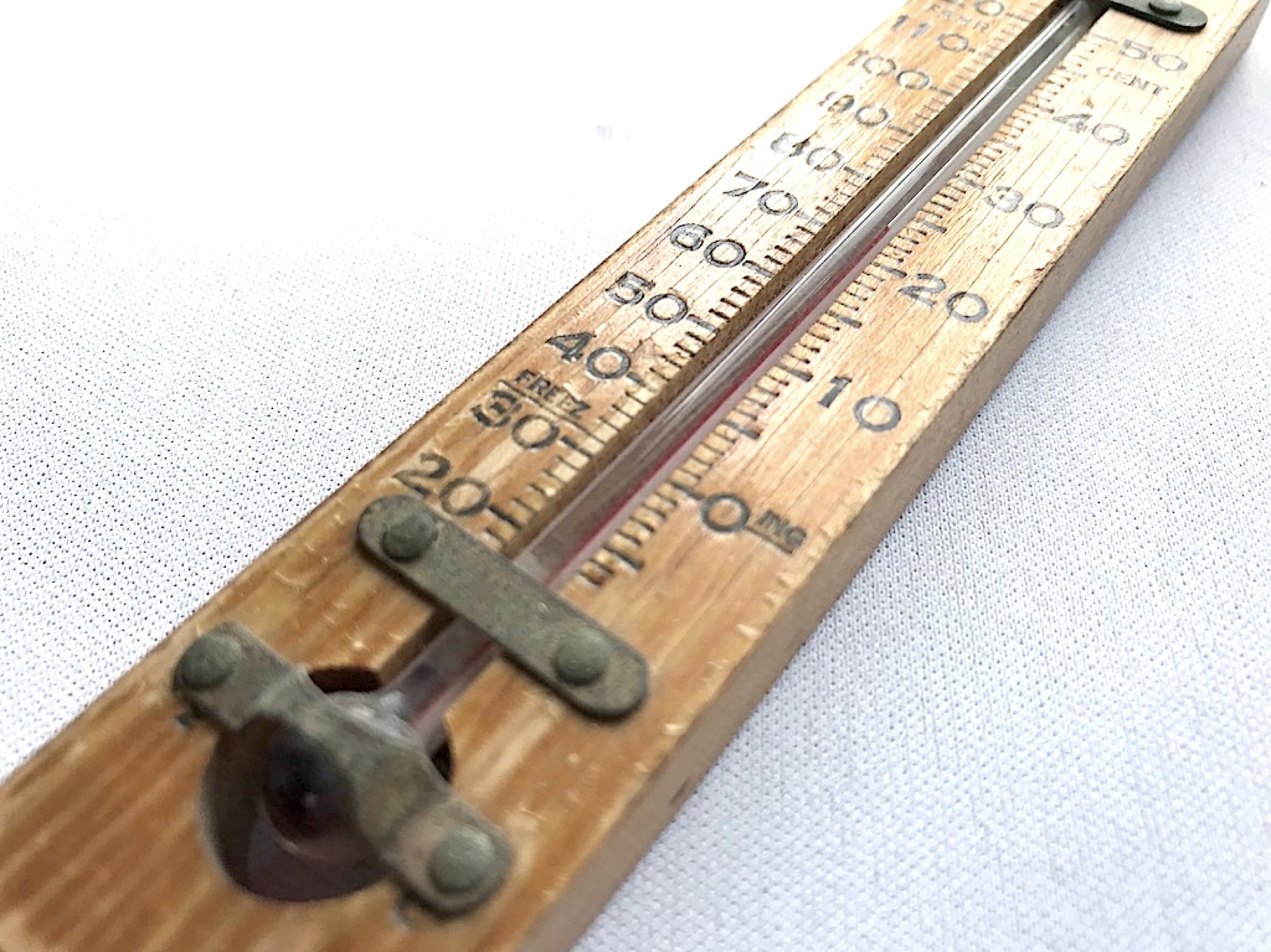
012
話題
subject
どうしても、話題が硬めのものになってしまう。自分でも少し重たいな、と感じているが、もしかすると気持ちが重くなってきている証拠かもしれない。つまり気をつけないと深みにはまってしまうかも、ということか…。でも軽めのなんともない話題を探すのも実は簡単ではない。以前、仕事でもそう感じたことがある。仕事なら何とかしなければどうしようもないので何とかする方法をいくつか使ってきたが、仕事を離れた「素」の今はとらわれることも、締切に追われることもないはずなのに、どうしてか?いや、この一日一文を書くという締切にも追われているのだろう。自分で決めて自分で首を絞めている自分。何ともはや。
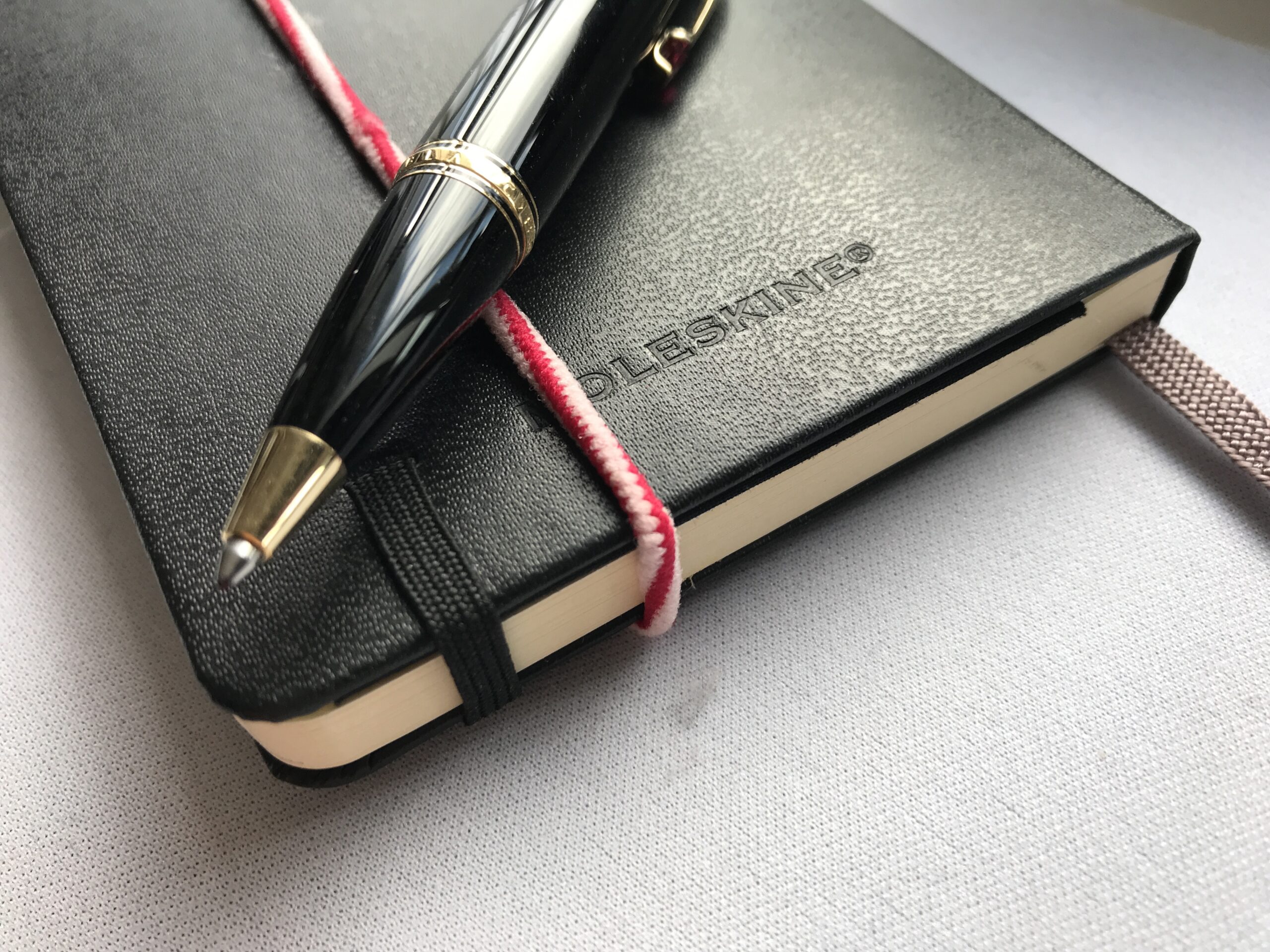
011
照明
Lighting
電球が普及したのは、ほんの140年前だった。それまで植物油などを灯火にしていた時代は終わり、どこでもいつでも明るい照明が手に入るようになる。それによって闇もまた、なくなっていった。そして明るくすることが、あたりまえというか、近代的という考えに日本人は進んでゆく。室内の照明は明るく影がなくなり、陰影という光と影の文化から遠ざかった。特にどこの家庭でも天井にメイン照明が付き室内を明るく照らしている。明るさが豊かさの象徴として。しかし、明るさとは暗さがあってこその明かりの存在が際立つ。日本人が培ってきた明と暗の文化はどこかへ忘れ去られてきているのかも知れない。LEDの普及でさらに影のない明るさが増えてきている。

010
モバイル
mobile
今から24年前の写真だ。Air-Doの機内で自分の席を撮ったスナップ写真だが、不思議なものは何もないように見える。しかし、倒した機内の小さなテーブルでキーボードを広げていたのはおそらく私一人だったと思う。そして周りの乗客が不思議な顔をして見ていたのを思い出す。それほどこの時代には珍しい風景だった。キーボードは折りたたみ式のものでターガス製、接続している携帯風のものは、いまでは見なくなったPDAと呼ばれる電子メモ。正確にはバイザー(Visor)という。端子でキーボードにも繋がり、テキストを打つことが出来る。PDAの上部にはモデムカードが差し込んであり電波が飛んでいる場所ならメール送信が出来たが、もちろんこの時代は機内には携帯電波もWi-Fi電波もなかった。これから5年後にiPhoneが登場する。やっていることは現在と何ら変わらない。モバイルという言葉もまだそれほど定着していなかった時代だ。

009
駐車場
Parking Area
駐車場でいつも思うのは、クルマを降りてから出入り口に近い所に多くの人が止めたがることだ。確かに車に乗って来るくらいだから、降りてから歩くのが嫌いだと言う人も多いのだろうけど、やたらと、どこの駐車場も施設の出入り口付近からクルマが埋まってくる。私はどちらかというと駐車する操作が苦手だ。面倒くさいというのが本当かも知れない。そんなことで、なるべく左右前後に駐車しているクルマがない広い場所を選んで止める。それと隣の車とギリギリのスペースで駐車したことで、ドアパンチなど、気分の悪いキズをつけられるのもイヤだし。だから当然、出入り口からは遠くなる。少し悔しい気持ちも残るが、歩く運動が少しでも多く出来た、と思うようにしている。私にとって駐車場はウォーキングエリアだ。

008
仮想空間
Virtual space
数年前までは、確かに仮想空間とは、現実的な空間と区別していた概念が一般的だったと思う。しかし、考えてみると現実にあるのに仮想ととらえていたのがサイバースペース…つまりインターネットなどの目には見えないが存在しているものだ。日本語で相当するものとしては電脳空間と言う言葉だろうか。結局目に見えないものだけに言葉でしかとらえどころがない。しかし、その言葉が増殖に増殖を重ね、哲学、文学、アート、経済、その他あらゆる世界を侵食して拡張し続けてしまっている。もはや、とらえどころがない数の言葉として増えてしまった。そして、言葉を超えたスペースとして存在感を増している。もう仮想とは呼べない現実がそこにはある。しかし、人は仮想が苦手だ。楽しめる仮想のうちはいいのだが、すでに現実化してしまった「仮想」には歯が立たない。サイバーテロやSNS空間での差別や混乱、そしてそこから起こる犯罪。まるで仮想が現実世界を包み込んでしまう勢いでもある。

007
フレイル
Frailty
書けなくなったことは数日前に書いたが、今度は書くことすら忘れてしまった。それはもうしかたがないと思っているのだが、なんとも情けない。決めたこと自体を忘れるのだから、もうすべもない。だが、そこはそこで気を取り直して、忘れた日の分まで書くことにする。テーマはまだ決まっていないが、書きたいことはけっこう溜まっているものだ。しかし組立が難しい。文章というものは書けば書くほど易しくなるものではないらしい。フレイルだが、加齢による体の衰えのことだ。2014年に日本老年医学会が提唱した概念で「Frailty(虚弱)」の日本語訳という。健康な状態と要介護状態の間ということで、体の機能や認知機能の低下が見られる状態のことをさすという、つまりこれから先は努力次第ということだ。介護が必要になるか、それとも努力して今の健康状態を維持していくか。書けるか、書けないか、はたまた書こうということを覚えていられるか大事な瀬戸際の状態。それが現在の私のフレイルだ。

006
パレイドリア現象
Pareidolia
三つの点の位置によって、人は同じ種類の人の顔として認識するという。いわゆる顔に見える、というやつだ。目の二点と口の一点で、確かに顔に見えるが、これは同じ仲間かどうか判断でき、そのことによって生き延びられるための能力だそうだ。生まれつきに持っているらしい。よく幼児が相手の顔をじっと見つめることがあるが、きっとそうなのだろう。この能力のせいで、いろんな生き物ではないものまで顔に見えてしまう。いいような、悪いようなチカラだが、昔からの言い伝えや伝承などに登場する生き物も、もしかすると単に三つの点かも知れない。そう考えると、なんとも夢がなくなりそうだが要は、見る側のココロの持ち方なら、別の夢も広がるかも知れない。雲や壁のシミや色んな機械などの中に、いくつもの顔をみつけるという楽しみも生まれるだろう。果たして今日はいくつ見つけるとか。

005
現金
Cash
2021年に映画俳優、田中邦衛が亡くなった。代表作ドラマ「北の国から ’87初恋」のエンディングで、純が東京へ旅立つ日、走り出したトラックの中で運転手が父から預かった現金を純へ渡す場面。その泥の付いた紙幣を見て純が涙を流す。そのシーンを見直してみた。そこで改めて気がついたのは、トラック運転手役の古尾谷雅人のセリフだ。「ピン札に泥が付いている」「オレは受け取れん!」「おまえの宝にしろ!」と純に言う。現金の紙幣には、モノとしての表現がある。デジタルマネーでそれが表現できるのだろうか。使い古され、汚れ、しわくちゃの紙幣はそれまでのドラマを秘めている。どんな場所でどんな人から人へ。そして今、自分の手の中へ。貨幣としての意味と重さに加え、渡ってきた時間とドラマを想像してみる。中国政府はデジタルマネーの実験を中国国内で始めたそうだ。世界制覇を目指す強力な武器にすることを目指してのことか。日本でも日銀が研究を始めるという。ただ数字だけの仮想通貨にもあらたなドラマが生まれるのだろうか。

004
水と光
water
水素エネルギーが注目だそう。水素は太陽光と水があれば作ることが出来る。カーボンニュートラルの救世主といわれるが、その貯蔵方法が問題らしい。大量のタンクが必要になる。水素は貯蔵に関しては効率が悪いのが理由だ。だがある化合物を組み合わせるとその貯蔵量が大幅に拡張されることがわかった。2020年5月に材料研究機構(NIMS)が発見した、磁気冷凍材料の「ニホウ化ホルニウム」がその物質。もちろん専門的な話題だが、関わりは大いにある話しだ。多くの人が知らないだけで、大きな発見だろう。月面で水素を作る事も考えている計画もある。月面には曇りの時間は無いから、太陽光を一定時間確保できる場所だ。あとは水を地下から探し出せば可能になる技術といえる。さらに火星でも生かせるだろう。あまりニュースにはならないが、火星探査で各国が競うのも本当の理由はこの辺が絡んでいるのだろう。夢と現実問題が実は隣り合わせだ。

003
講談
Kodan
講談という伝統芸能があるが、メジャーなメディアではあまり光をあびることはない。しかし、よく調べるとけっこう今の時代でも魅力ある芸能だ。近年では、女性が講談師を目指すことが多いと聞く。しゃべることに女性の方が興味があるのかはよくわからないが、講談師というと男性の声をイメージするのは今や古いのかも知れない。時々聞く機会があると聞いてみる。やはり長い時間の中で繰り返し練られた話しは小気味良く楽しめる。明治末期に「講談本」が人気だったそうだ。講談社の名前の由来もここかららしい。講談の演目としては、歴史実録、戦記物、仇討ち、三尺物などが多いが、最近人気のアニメなどにも通じるテーマもあり色あせない。「カラス「かー」で夜が明ける」。言葉一つで場面から時間軸までガラッと変えてしまう。また、その転換スピードも魅力だ。

002
ストロベリームーン
strawberry moon
今から5年ほど前の夜、十数年ぶりの満月と皆既月食が重なった。この後は15年後、という話しだったので月の写真を撮れるのももうムリかもしれないと思い、何とか数枚の写真を撮った。月は何度も撮ったことはあるけれど、その度にファインダーに見える月を見て思うのは、昔の人たちはこの月をどうとらえたのだろうかということだ。科学的な知識も少なく、夜になるとひょっこりと空に浮かぶ丸いもの。さぞや不思議なものと見えたのかも知れない。ただ、生まれたときからあるのもだし、不思議なものといえば、雷や虹、他にも動物たちの行動や雨嵐など、自然すべてが不思議の世界だったにちがいない。そんな中では不思議があたりまえで、そのとらえ方は今より自由だったのかも知れない。昔の世界も過酷で現実的であるけれど、一方ではとらえ方は自由で夢の世界でもあるし、空想がそのとらえ方を豊かにしてくれただろう。米国の先住民はすべての満月にいろんな名を付けた。6月の満月はストロベリームーンだそうだ。収穫の時期を迎えたイチゴにちなんだらしい。まさに夢の話しだ。

001
フレンチライラック
French Lilac
自慢じゃないが、花の名前はあまり知らない。覚えられないと言った方が正確だろう。自分の記憶は体験に基づいているものがほとんどだ。だから体験を伴わない名前はそもそもアタマには入らないことになっている。情けないがしかたがない。でもその数少ない花の名前でライラックは知っている。フランス語でリラ。この花にあまり体験は伴わないが、見れば名前が出てくる。この花はいわゆる外来種で寒冷地に生息する花らしい。カナダ、アメリカ、フランス、ドイツ、ベルギーなど、どちらかというと北に属する地域だ。同属でハシドイという花もあるそうでこれも冷涼な気候を好む。花がブドウの房のように咲き、観賞用の庭木に最適だ。札幌の花としても有名で祭りもあるが、いかにも外国北国文化で発展してきた街に似合う花だと思う。札幌の川下公園では、5月下旬から7月上旬まで200種にもおよぶ世界のライラックが見られる。「すみれの花咲く頃」という歌があるが、原曲は「再び白いライラックが咲いたら」という曲だ。

June 15, 2026〜